
FNPS Plant Database
Baccharis halimifolia
groundsel tree, sea myrtle, salt bush
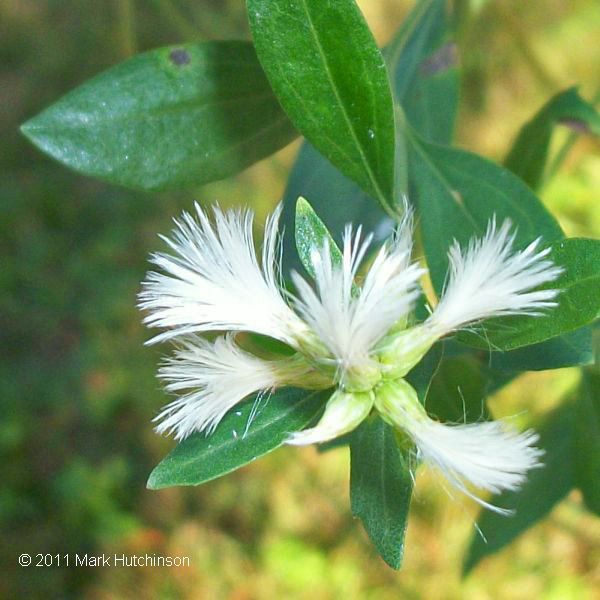
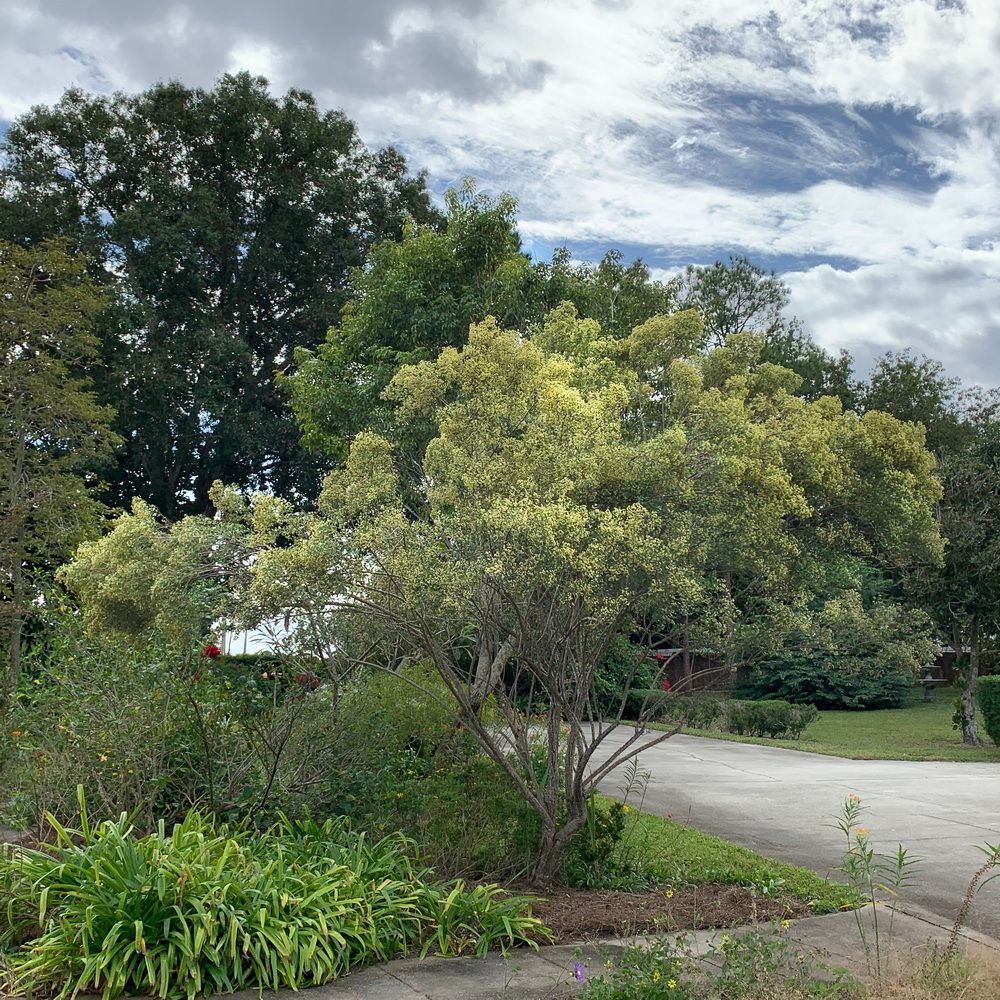
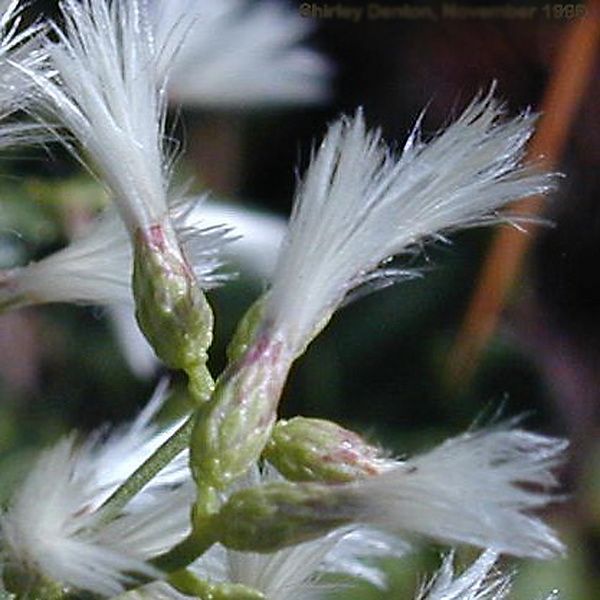
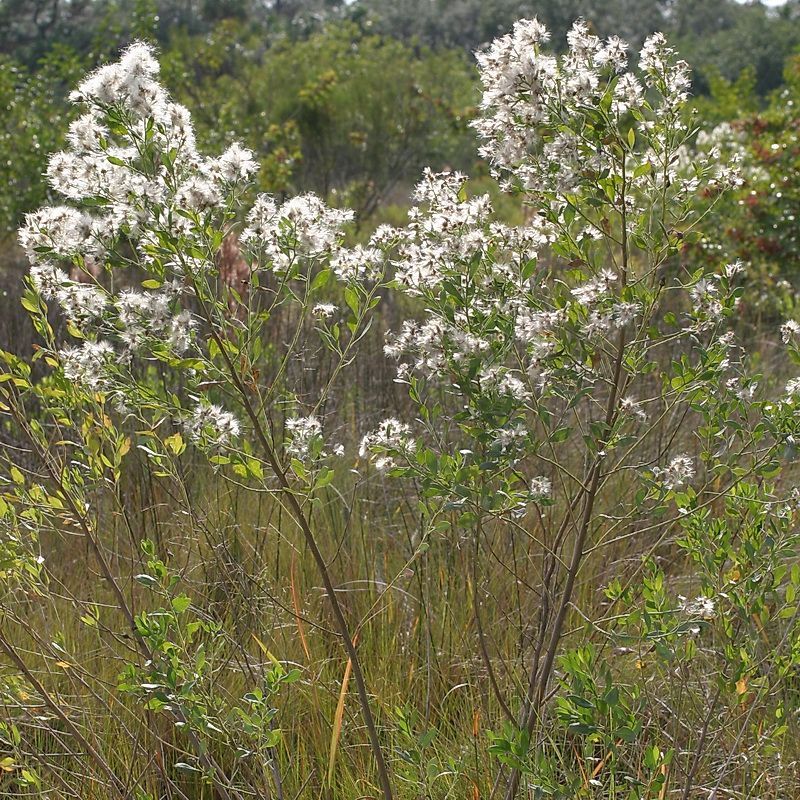
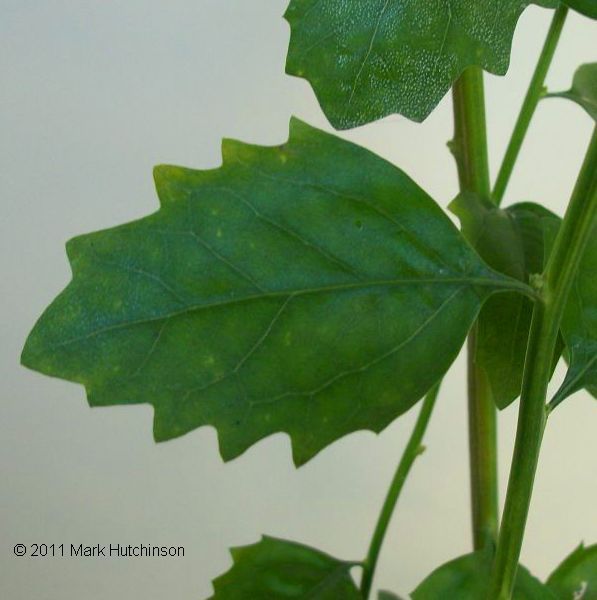
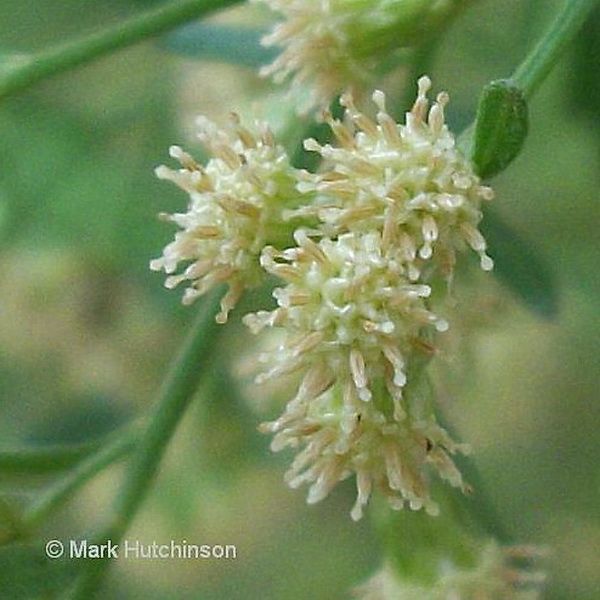
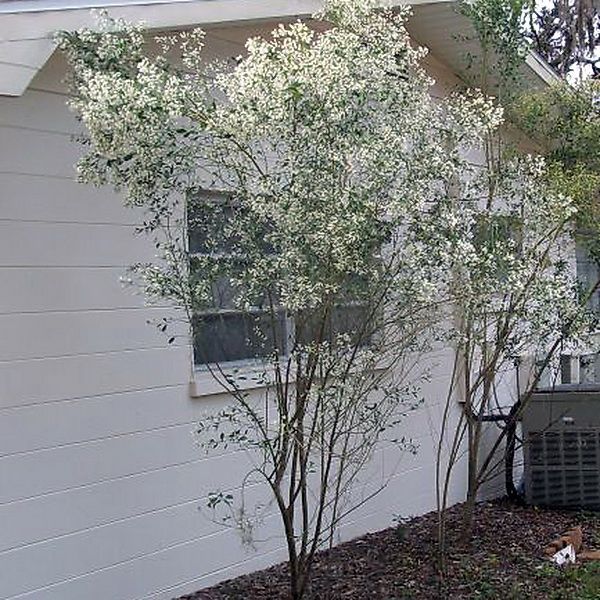
Photographs belong to the photographers who allow use for FNPS purposes only. Please contact the photographer for all other uses.
Nomenclature
Common Name:
groundsel tree, sea myrtle, salt bush
Synonym(s):
Genus species:
Baccharis halimifolia
Family:
Asteraceae (Compositae)
Plant Specifics
Form:
shrub
Size:
7-15 ft tall by 5-7 ft wide
Life Span:
long-lived perennial
Flower Color:
white, yellow
Fruit Color:
white
Phenology:
Deciduous in northern Florida and evergreen from the central peninsula south. Blooms in late summer and fall. Dioecious. Showy fruits on female plants in late fall.
Noted For:
Landscaping
Recommended Uses:
Specimen plant in casual settings. Also useful as a natural screen or buffer plant. Rain gardens or bioswales. The primary horticultural feature is the silvery, plume-like achenes which appear in the fall on female plants. The fruits can provide a white haze for several weeks in the fall.
Considerations:
Weak wood. Seed is wind disbursed and may become weedy.
Availability:
Propagation:
Seed. Salt bush is dioecious, that is, both a male and female plant are necessary for seed production. Readily self seeds.
Light:
Moisture Tolerance:
Always Flooded------------------------------------------------Extremely Dry
Usually moist, occasional inundation ---to--- Not wet but not extremely dry
Salt Water Flooding Tolerance:
Tolerant of inundation with brackish water
Salt Spray/Salty Soil Tolerance:
Some tolerance to salty wind but not direct salt spray
Soil or Other Substrate:
Loam, Sand
Soil pH:
Slightly acidic to calcareous
Suitable to Grow In:
8A, 8B, 9A, 95, 10A, 10B, 11

USDA zones are based on the average annual extreme minimum winter temperature.
Don't know your zone? Click here to search by zip code.
Ecology
Wildlife:
Seeds are wind dispersed but also eaten by small birds and other wildlife.
Although primary wind pollinated, it attracts bees including Colletes mandibularis, C. simulans, C. thysanellae, Agapostemon splendens, Augochlorella aurata, Augochloropsis metallica, Dialictus miniatulus, D. nymphalis, Halictus ligatus, Sphecodes heraclei, Apis mellifera (honeybee) (Deyrup et al. 2002). Also said to attract butterflies.
Native Habitats:
Coastal uplands and disturbed moist inland areas
Natural Range in Florida:
Visit the USF Libraries Atlas of Florida Plants
Comments:
Ethnobotany:
General Comments:
Fruiting late in the fall, the fruits during the fall add substantial interest to a casual garden. Baccharis glomerulifolia is similar in appearance and in potential cultural uses.



Citations:
Nelson, Gil. 2003. Florida's Best Landscape Plants: 200 Readily Available Species for Homeowners and Professionals. University Press of Florida, Gainesville.
Osorio, Rufino. 2001. A Gardener's Guide to Florida's Native Plants. University Press of Florida, Gainesville.
Patton, Sean, and Kendall Southworth. 2025. Florida's Aquatic Butterfly Gardens: How to Create a Beautiful Backyard Habitat for Attracting 70+ Species with 100+ Native Plants. Pineapple Press, Palm Beach.

