
FNPS Plant Database
Bursera simaruba
gumbo-limbo, tourist tree
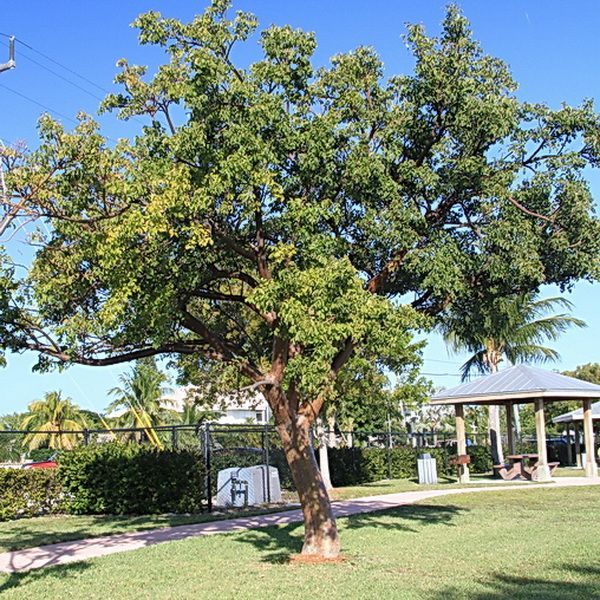
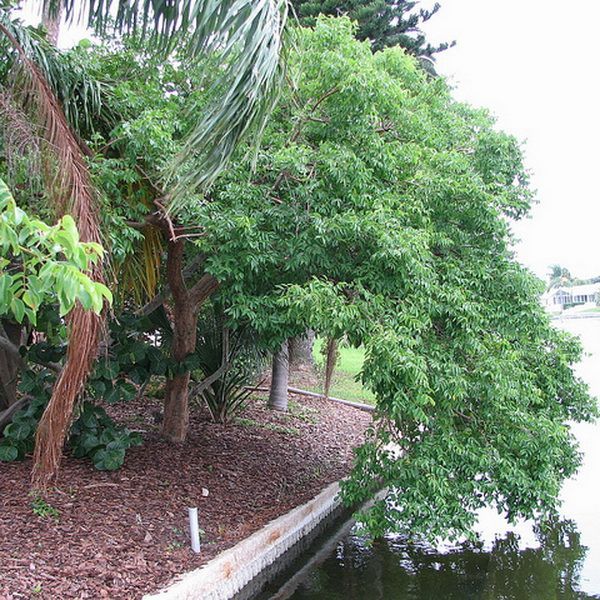
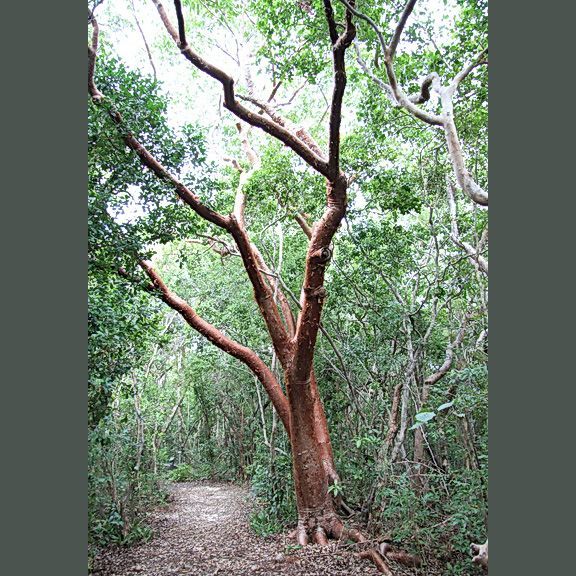
Photographs belong to the photographers who allow use for FNPS purposes only. Please contact the photographer for all other uses.
Nomenclature
Common Name:
gumbo-limbo, tourist tree
Synonym(s):
Genus species:
Bursera simaruba
Family:
Burseraceae
Plant Specifics
Form:
tree
Size:
20-30 (60) ft tall by 20-30 (50) ft wide
Life Span:
long-lived perennial
Flower Color:
white, green
Fruit Color:
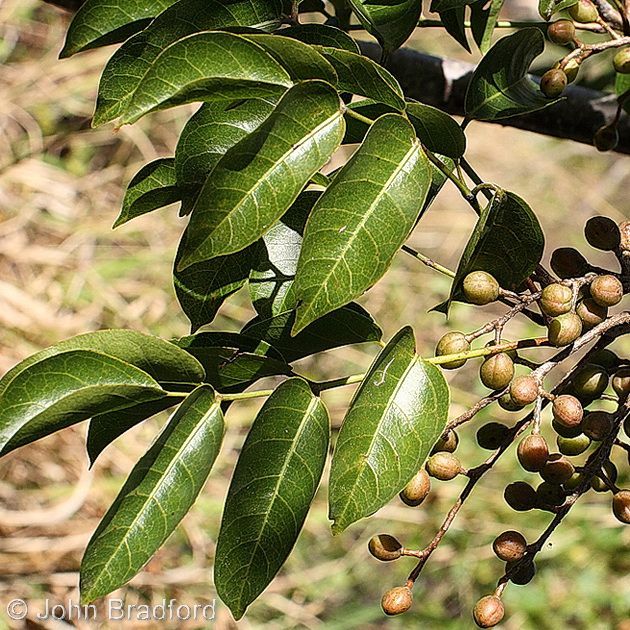
brown
Phenology:
briefly deciduous in late winter or during drought
Noted For:
Landscaping
Recommended Uses:
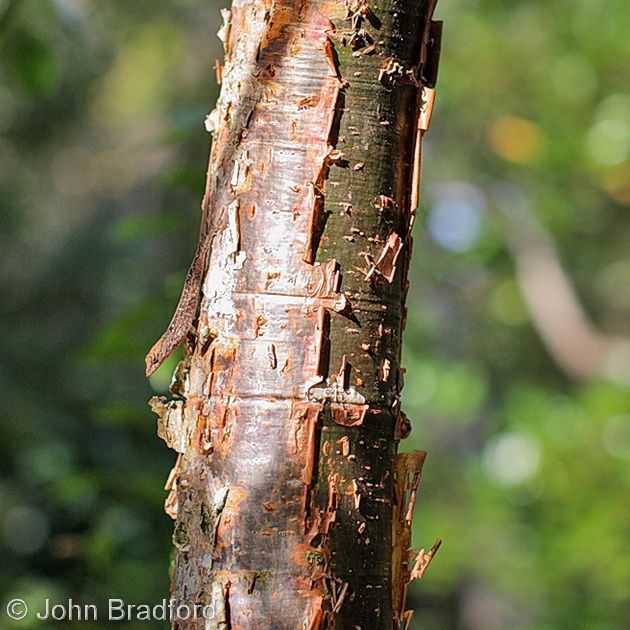
Plant as a specimen tree to show off its bronze-colored peeling bark. Also makes a good shade tree.
Considerations:
Availability:
Propagation:
Cuttings and seed. Branches that are stuck into the ground can root, but those started from seed will have a better shape.
Light:
Moisture Tolerance:
Always Flooded------------------------------------------------Extremely Dry
Very long very dry periods
Usually moist, occasional inundation ---to--- Usually moist, occasional inundation
Salt Water Flooding Tolerance:
Tolerant of occasional/brief inundation such as can occur in storm surges
Salt Spray/Salty Soil Tolerance:
Some tolerance to salty wind but not direct salt spray
Soil or Other Substrate:
Sand, Lime Rock, Humus (organic, upland)
Soil pH:
calcareous (high pH)
Suitable to Grow In:
9B, 10A, 10B, 11

USDA zones are based on the average annual extreme minimum winter temperature.
Don't know your zone? Click here to search by zip code.
Ecology
Wildlife:
Kingbirds and other flycatchers eat the fruits (IRC, Haehle and Brookwell 1999).
Larval host for dingy purplewing (Eunica monima) (IRC). Attracts bees and other insect pollinators.
Native Habitats:
Moist hammocks, dry hammocks, dry hardwood forests, coastal uplands, urban areas
Natural Range in Florida:
Visit the USF Libraries Atlas of Florida Plants
Comments:
Ethnobotany:
General Comments:
This tree has a thick trunk and both the trunk and branches can twist into interesting shapes. The bark is red to bronze and peels. It's also called the tourist tree, after sun-baked visitors who also may be reddish and peeling.


Citations:
Gann, G.D., C.J. Abbott, C.G. Stocking, K.N. Hines, and collaborators. Natives For Your Neighborhood. https://www.regionalconservation.org/beta/nfyn/plantdetail.asp?tx=Burssima , accessed 2025. The Institute for Regional Conservation. Delray Beach, Florida.
Haehle, Robert G. and Joan Brookwell. 1999. Native Florida Plants. Gulf Publishing Company. Houston, TX.
Workman, Richard W. 1980. Growing Native: Native Plants for Landscape Use in Coastal South Florida. Sanibel-Captiva Conservation Foundation, Inc.: Sanibel, FL.

