

FNPS Plant Database
Cakile lanceolata
coastal searocket
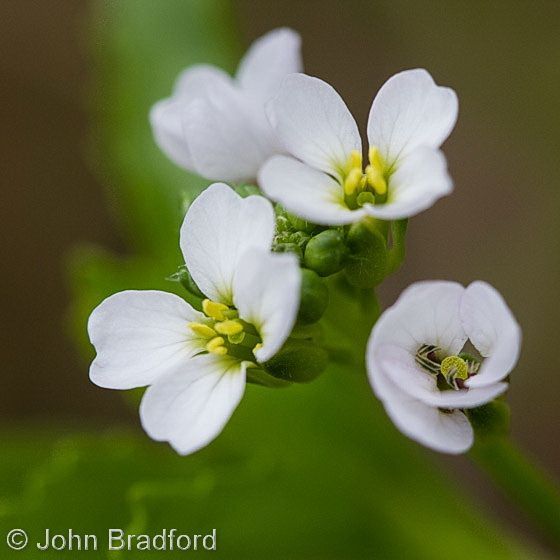
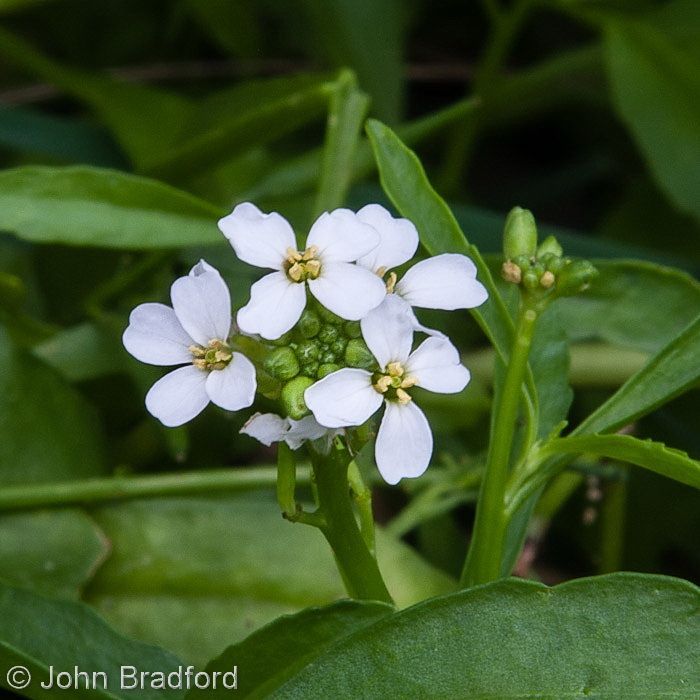
Photographs belong to the photographers who allow use for FNPS purposes only. Please contact the photographer for all other uses.
Nomenclature
Common Name:
coastal searocket
Synonym(s):
Genus species:
Cakile lanceolata
Family:
Brassicaceae
Plant Specifics
Form:
flower
Size:
2 ft tall by 2 ft wide
Life Span:
short-lived perennial
Flower Color:
white, lavender
Fruit Color:
yellow
Phenology:
evergreen; blooms spring through summer.
Noted For:
Landscaping
Recommended Uses:
Searocket is best used to hold loose sand in place such as the beach dune system.
Considerations:
Availability:
Propagation:
The searocket produces pods shaped like a rocket with two seeds, one in the top, which drops off and is carried away by wind or water, and the bottom with remains with the plant.
Light:
Moisture Tolerance:
Always Flooded------------------------------------------------Extremely Dry
Short very dry periods ---to--- Somewhat long very dry periods
Salt Water Flooding Tolerance:
Tolerant of occasional/brief inundation such as can occur in storm surges
Salt Spray/Salty Soil Tolerance:
High. Can tolerate significant and ongoing amounts of salty wind and salt spray without injury.
Soil or Other Substrate:
Clay, Loam, Sand
Soil pH:
Suitable to Grow In:
8B, 9A, 9B, 10A, 10B

USDA zones are based on the average annual extreme minimum winter temperature.
Don't know your zone? Click here to search by zip code.
Ecology
Wildlife:
Attracts butterflies and bees. Larval host for the great southern white (Ascia monuste phileta).
Native Habitats:
Coastal dunes. Identified along the Indian River lagoon and the Atlantic shoreline to the Gulf and across to the panhandle of Florida.
Natural Range in Florida:
Visit the USF Libraries Atlas of Florida Plants
Comments:
Ethnobotany:
General Comments:
Pronunciation : Ca-ki-le lan-see-oh-lay-tuh The searocket blooms July through September. Annual to short-lived perennial.