FNPS Plant Database
Canna flaccida
golden canna, bandana-of-the-Everglades
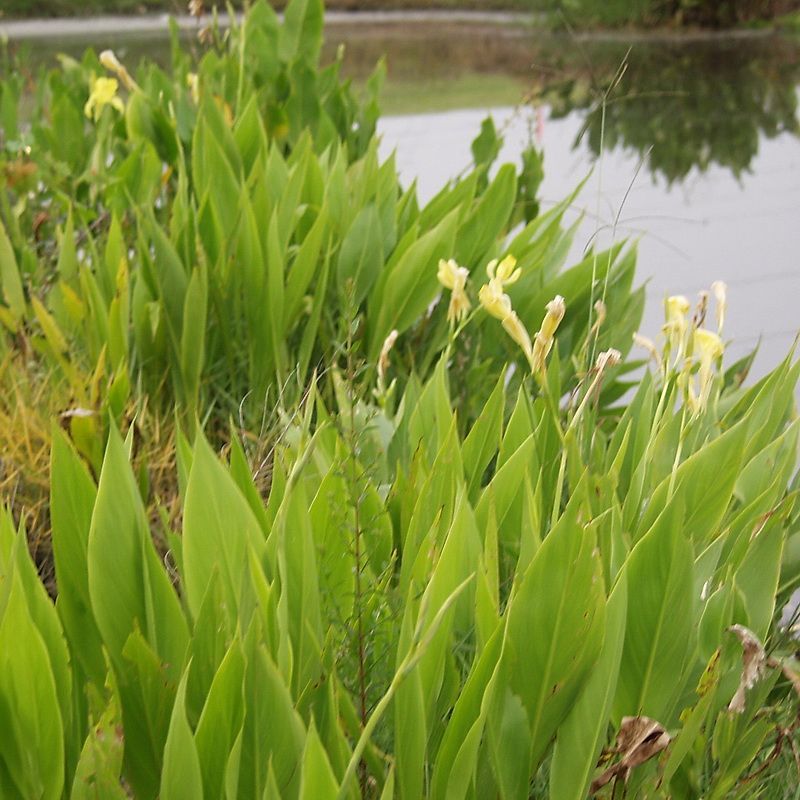
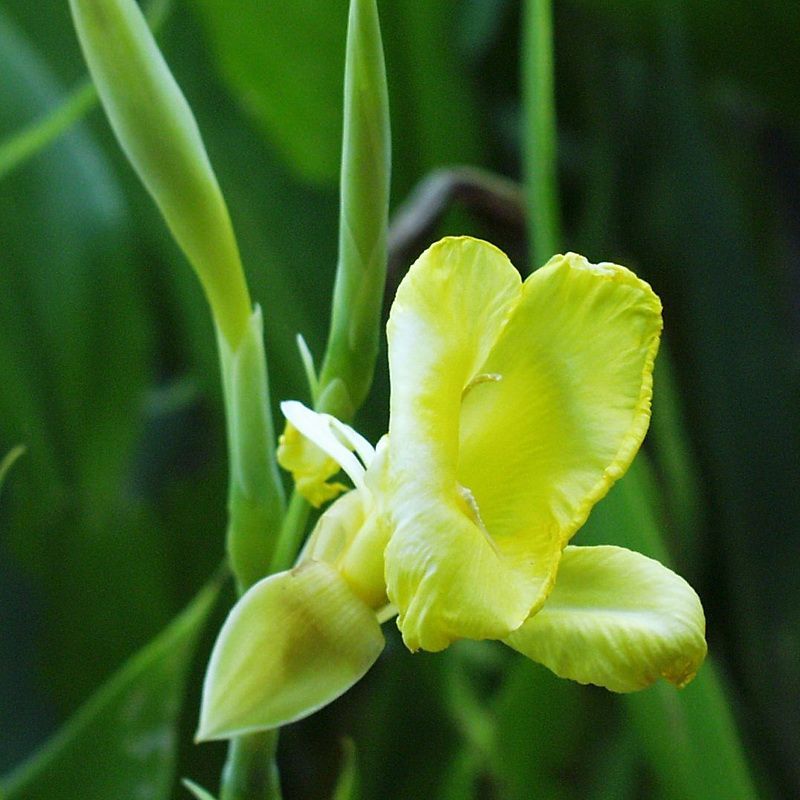
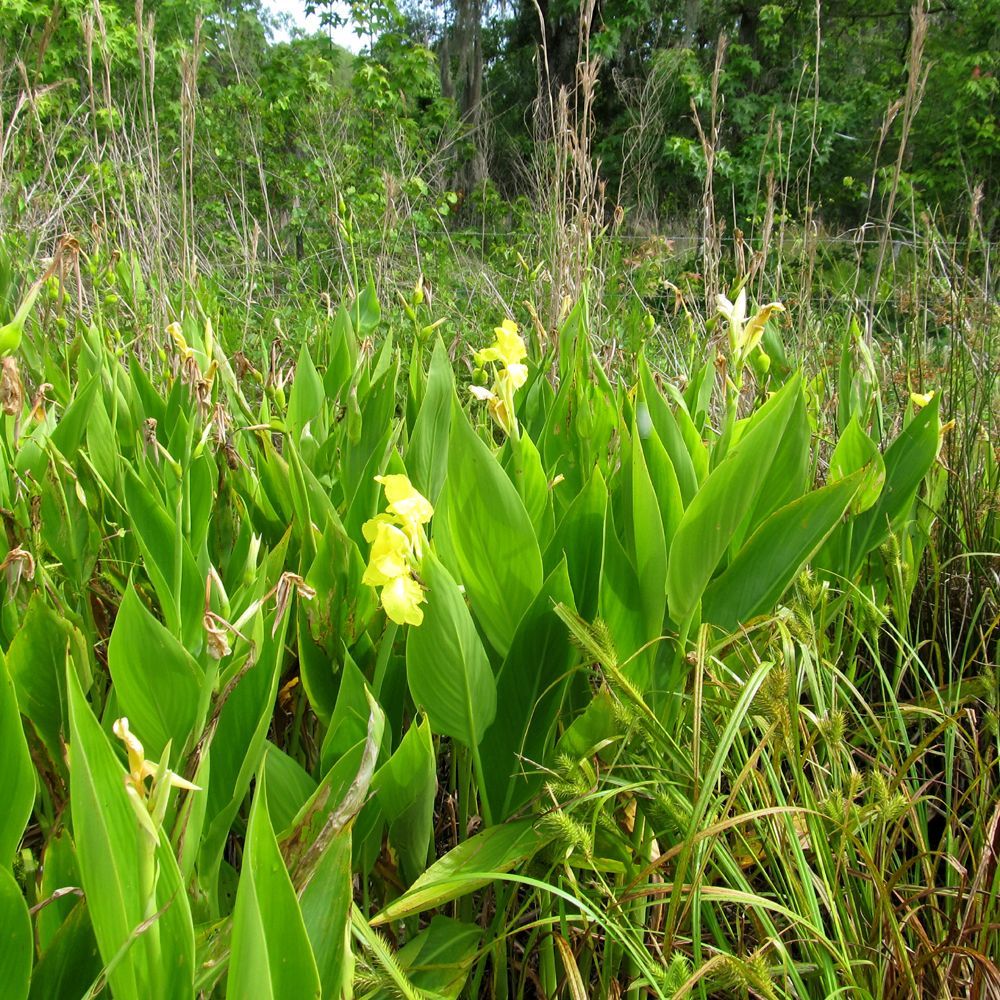
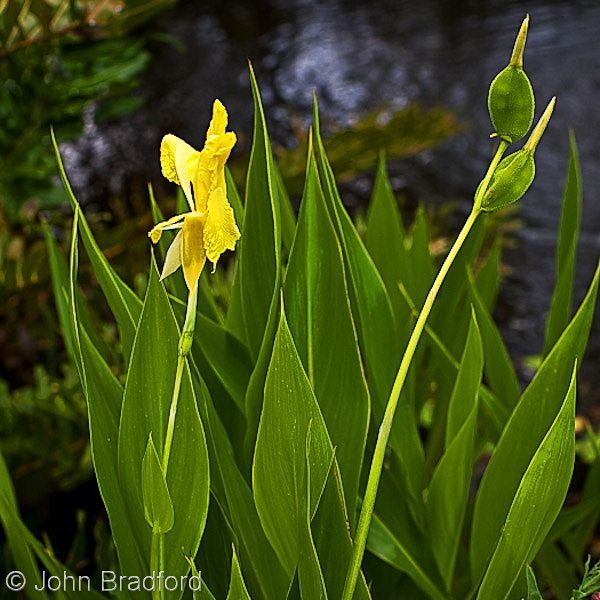
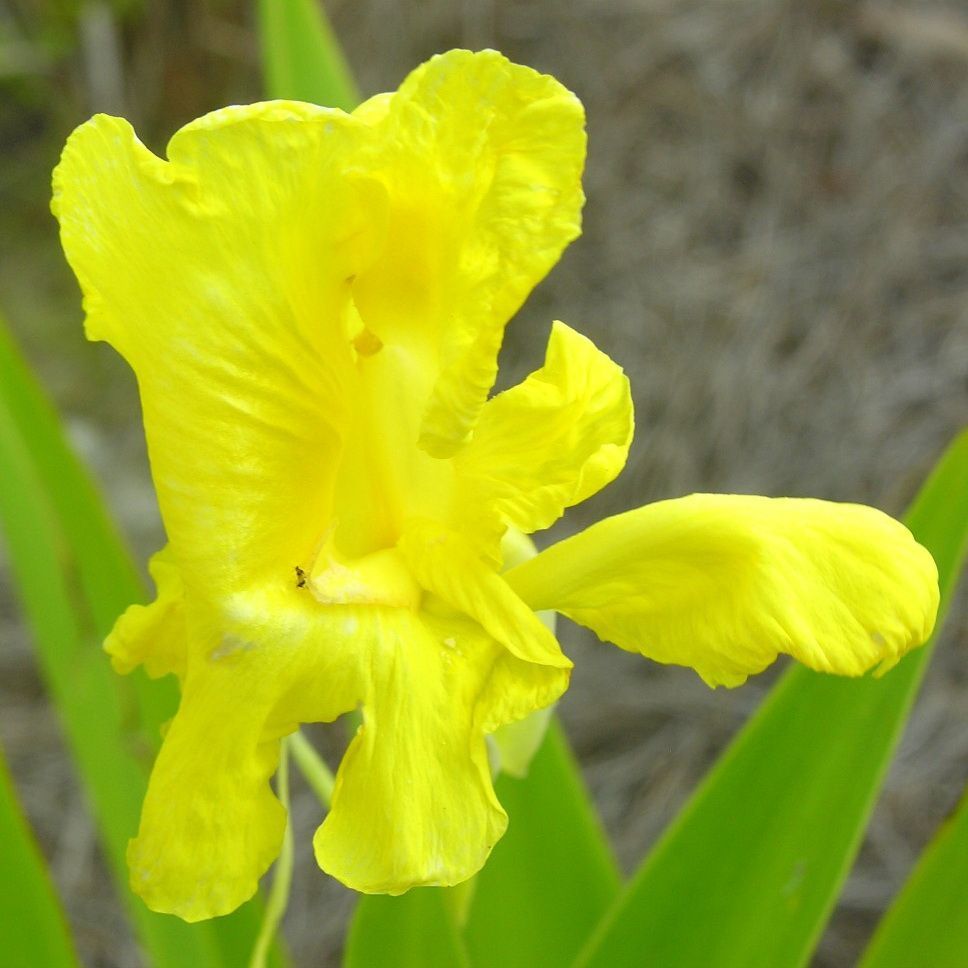
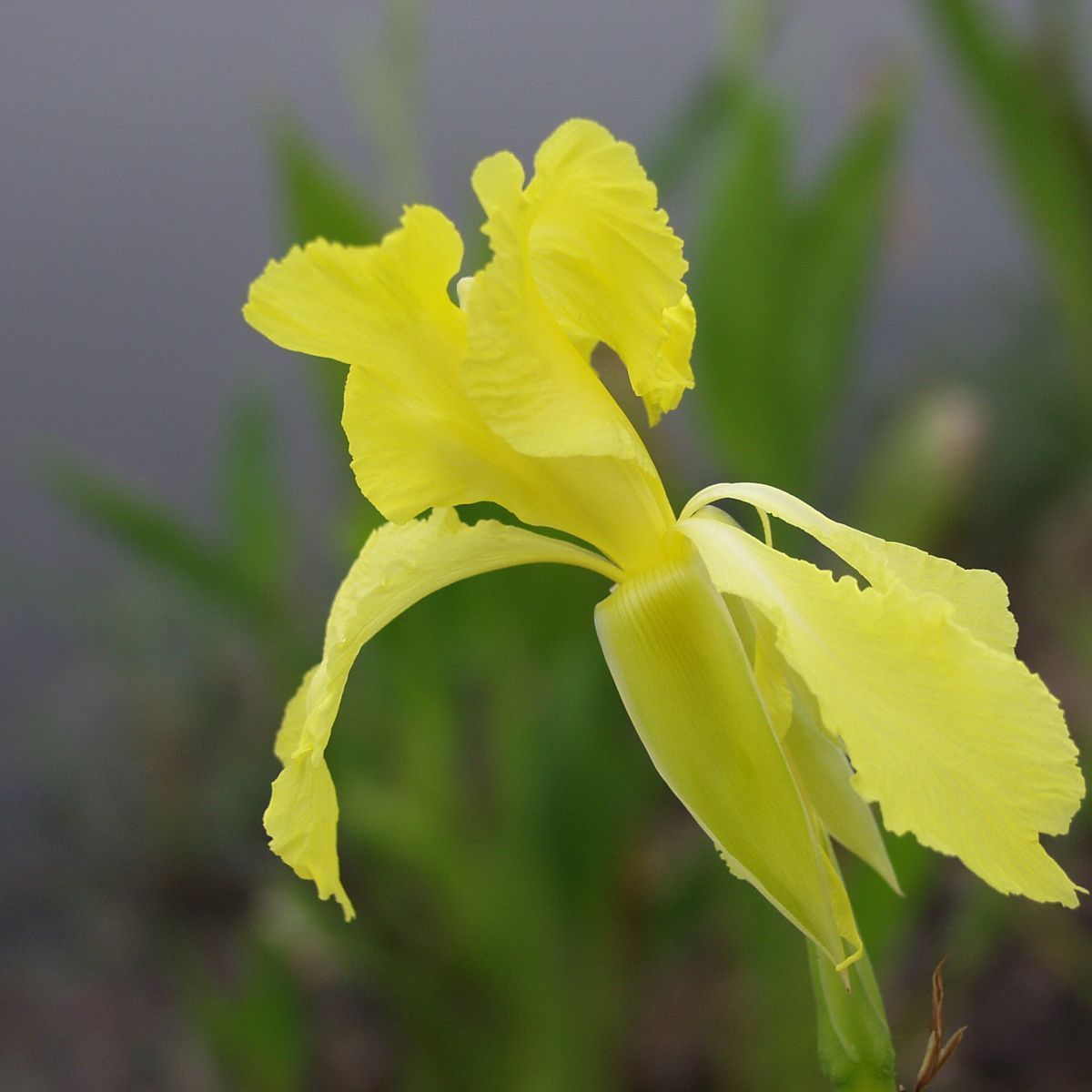
Photographs belong to the photographers who allow use for FNPS purposes only. Please contact the photographer for all other uses.
Nomenclature
Common Name:
golden canna, bandana-of-the-Everglades
Synonym(s):
Genus species:
Canna flaccida
Family:
Cannaceae
Plant Specifics
Form:
flower
Size:
3-6 ft tall by to 4 ft wide. Spreads broadly via rhizomes.
Life Span:
long-lived perennial
Flower Color:
yellow
Fruit Color:
brown
Phenology:
Winter dormant (north), evergreen (south); blooms spring-summer. Clones are long-lived.
Noted For:
Landscaping
Recommended Uses:
Grow as stands of flowers in moist areas.
Considerations:
Availability:
Propagation:
Seed or clumps can be divided (rhizomes). Seeds are available through the Florida Wildflowers Growers Cooperative.
Light:
Moisture Tolerance:
Always Flooded------------------------------------------------Extremely Dry
Aquatic ---to--- Usually moist, occasional inundation
Salt Water Flooding Tolerance:
Not salt tolerant of inundation by salty or brackish water
Salt Spray/Salty Soil Tolerance:
Low/no tolerance of salty wind or direct salt spray
Soil or Other Substrate:
Clay, Loam, Sand, Organic (muck)
Soil pH:
adaptable
Suitable to Grow In:
8A, 8B, 9A, 9B, 10A, 10B

USDA zones are based on the average annual extreme minimum winter temperature.
Don't know your zone? Click here to search by zip code.
Ecology
Wildlife:
Self-fertile, so seeds can be produced by self-pollination. Pollination is facilitated by bats, hummingbirds, and other small wildlife species.
Self-fertile, so seeds can be produced by self-pollination.
Pollination is facilitated by bees. Larval host of the Brazilian skipper butterfly (Calpodes ethlius).
Native Habitats:
Wet sites. Swamps, pond and lake margins, ditches, savannas, hydric pine flatwoods.
Natural Range in Florida:
Visit the USF Libraries Atlas of Florida Plants
Comments:
Ethnobotany:
General Comments:



Citations:
Nelson, Gil. 2003. Florida's Best Landscape Plants: 200 Readily Available Species for Homeowners and Professionals. University Press of Florida, Gainesville.
Osorio, Rufino. 2001. A Gardener's Guide to Florida's Native Plants. University Press of Florida, Gainesville.
Patton, Sean, and Kendall Southworth. 2025. Florida's Aquatic Butterfly Gardens: How to Create a Beautiful Backyard Habitat for Attracting 70+ Species with 100+ Native Plants. Pineapple Press, Palm Beach.

