
FNPS Plant Database
Carya floridana
scrub hickory
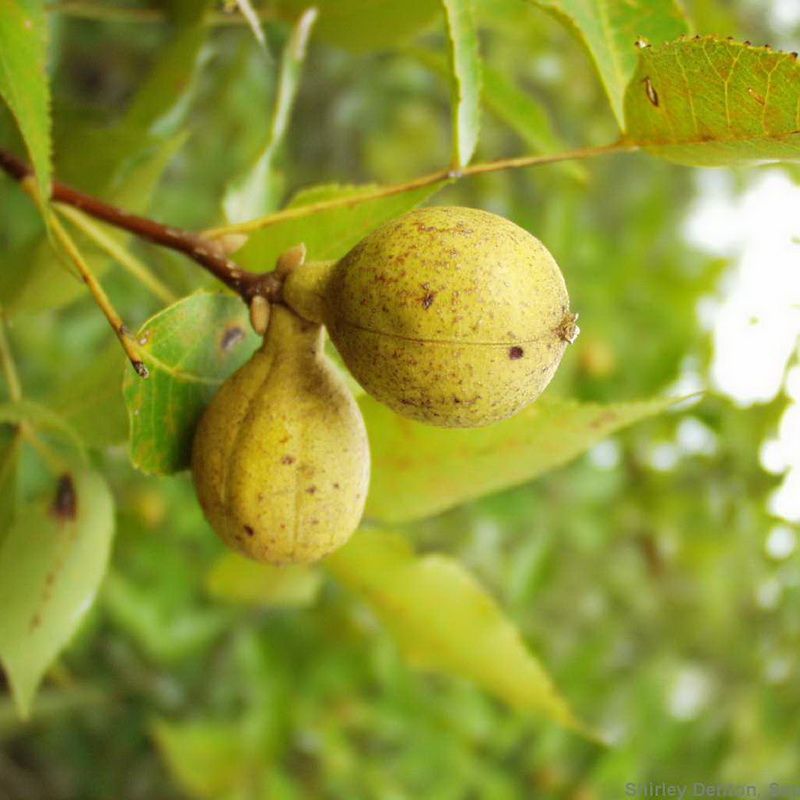
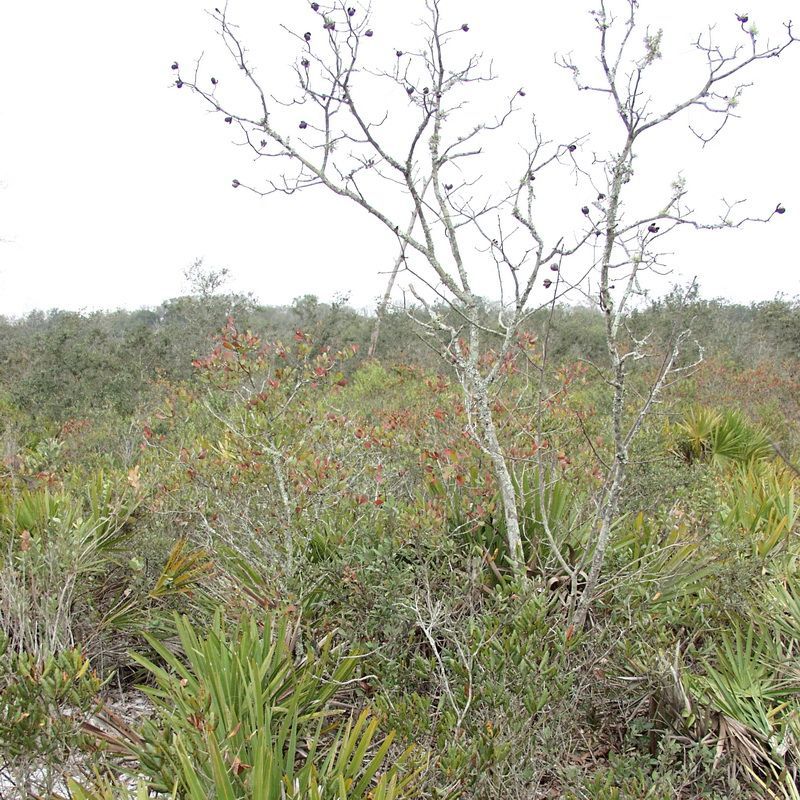
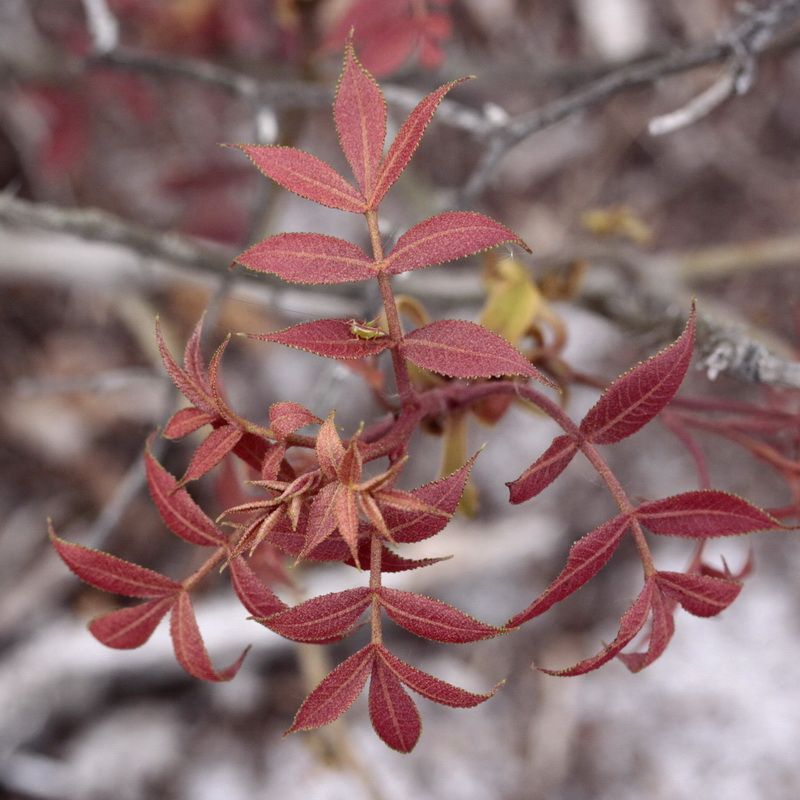
Photographs belong to the photographers who allow use for FNPS purposes only. Please contact the photographer for all other uses.
Nomenclature
Common Name:
scrub hickory
Synonym(s):
Genus species:
Carya floridana
Family:
Juglandaceae
Plant Specifics
Form:
tree
Size:
15-30 (47) ft
Life Span:
long-lived perennial
Flower Color:
yellow, green
Fruit Color:
green, brown
Phenology:
deciduous; blooms (inconspicuous) in early spring, with fruits ripening in fall
Noted For:
Landscaping
Recommended Uses:
Specimen tree. Use only where roots will be undisturbed.
Considerations:
Nuts and leaf litter can be messy.
Availability:
Propagation:
seed
Light:
Moisture Tolerance:
Always Flooded------------------------------------------------Extremely Dry
Not wet but not extremely dry ---to--- Very long very dry periods
Salt Water Flooding Tolerance:
Not salt tolerant of inundation by salty or brackish water
Salt Spray/Salty Soil Tolerance:
Low/no tolerance of salty wind or direct salt spray
Soil or Other Substrate:
Sand
Soil pH:
acidic to circum-neutral
Suitable to Grow In:
9A, 9B, 10A, 10B

USDA zones are based on the average annual extreme minimum winter temperature.
Don't know your zone? Click here to search by zip code.
Ecology
Wildlife:
Fruits eaten by small mammals.
Larval host for many moths including; luna moth (Actias luna), hickory leafroller moth (Argyrotaenia juglandana), royal walnut moth (Citheronia regalis), and walnut sphinx (Amorpha juglandis).
The species is wind pollinated, but the honeybee has been observed collecting pollen from the catkins (Deyrup et al. 2002).
Native Habitats:
Sandhill, clayhill, scrub
Natural Range in Florida:
Visit the USF Libraries Atlas of Florida Plants
Comments:
Ethnobotany:
Fruit is edible but hard to get to (takes a major whack on the shell).
General Comments:



Citations:
Deyrup, Mark, Jayanthi Edirisinghe, and Beth Norden. 2002. The diversity and floral hosts of bees at the Archbold Biological Station, Florida (Hymenoptera: Apoidea). 16.
Nelson, Gil. 1994. The Trees of Florida: A Reference and Field Guide. Pineapple Press: Sarasota.

