

FNPS Plant Database
Catalpa bignonioides
catalpa
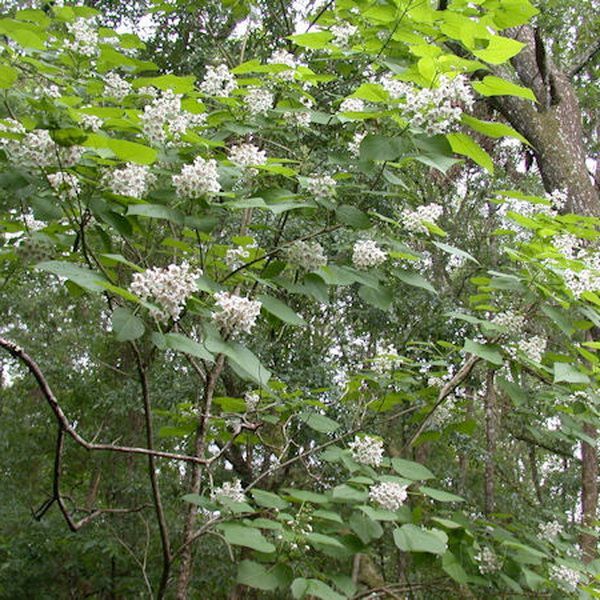
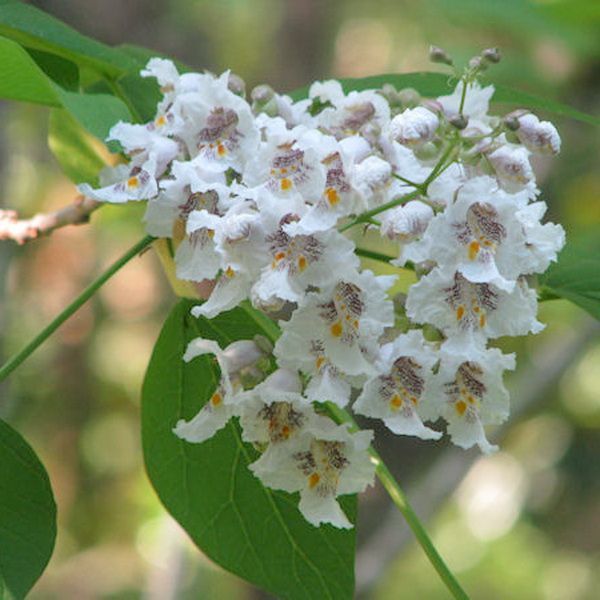
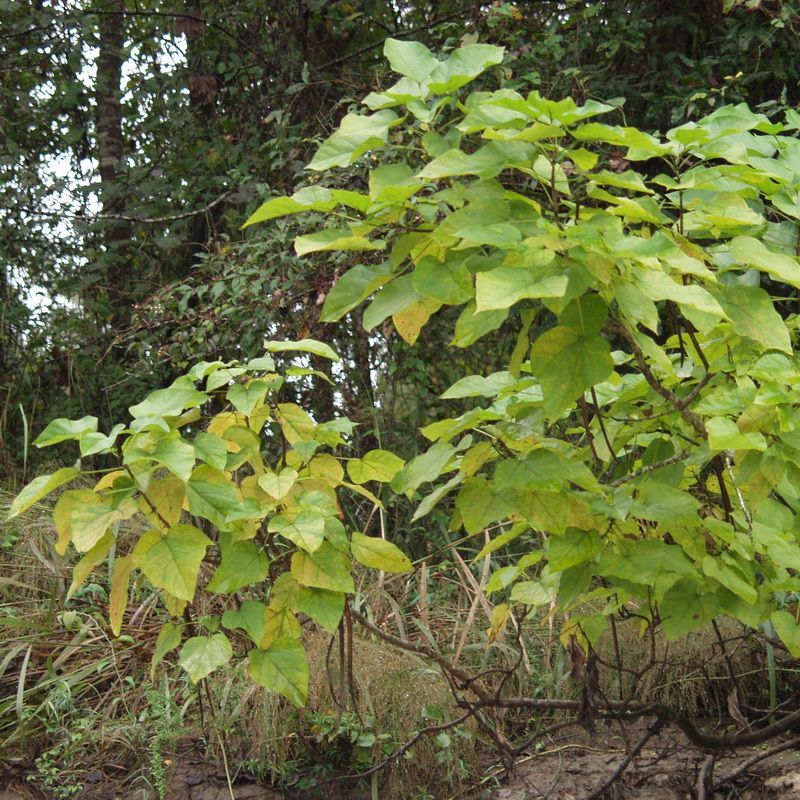
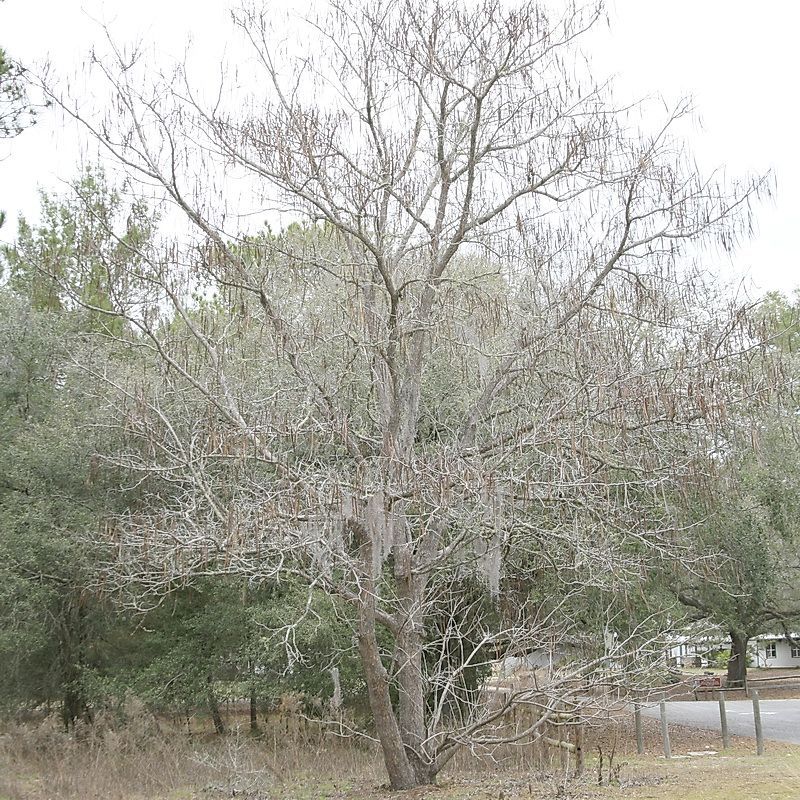
Photographs belong to the photographers who allow use for FNPS purposes only. Please contact the photographer for all other uses.
Nomenclature
Common Name:
catalpa
Synonym(s):
Genus species:
Catalpa bignonioides
Family:
Bignoniaceae
Plant Specifics
Form:
tree
Size:
40-50 (70) ft tall by to 35 ft wide
Life Span:
long-lived perennial
Flower Color:
white
Fruit Color:
brown
Phenology:
deciduous
Noted For:
Landscaping
Recommended Uses:
Specimen or shade tree.
Considerations:
The foul-smelling crushed leaves, flower litter, seed pod litter, and root suckers can create a maintenance problem in residential landscapes.
Availability:
Propagation:
Seed and cuttings. Seedlings can sometimes be harvested from beneath mature trees.
Light:
Moisture Tolerance:
Always Flooded------------------------------------------------Extremely Dry
Somewhat moist, no flooding ---to--- Somewhat long very dry periods
Salt Water Flooding Tolerance:
Not salt tolerant of inundation by salty or brackish water
Salt Spray/Salty Soil Tolerance:
Low/no tolerance of salty wind or direct salt spray
Soil or Other Substrate:
Sand, Loam
Soil pH:
slightly acidic to calcareous
Suitable to Grow In:
8A, 8B, 9A, 9B

USDA zones are based on the average annual extreme minimum winter temperature.
Don't know your zone? Click here to search by zip code.
Ecology
Wildlife:
Larval host for catalpa sphinx moth (Ceratomia catalpae) and tersa sphinx (Xylophanes tersa).
Attracts various pollinators including butterflies and bees.
Native Habitats:
Dry hammocks, dry hardwood forests
Natural Range in Florida:
Visit the USF Libraries Atlas of Florida Plants
Comments:
Ethnobotany:
Extremely rot resistant wood was use for fence posts and rails. Wood was utilized where its soft, straight-grained, and low shrinkage properties were valuable. Occasional wood pieces and furniture parts were fashioned from catalpa. Sometimes grown to attract insects such as catawba worm (larva of the catalpa sphinx moth) which is used for fish bait.
General Comments: