

FNPS Plant Database
Celtis laevigata
hackberry, sugarberry
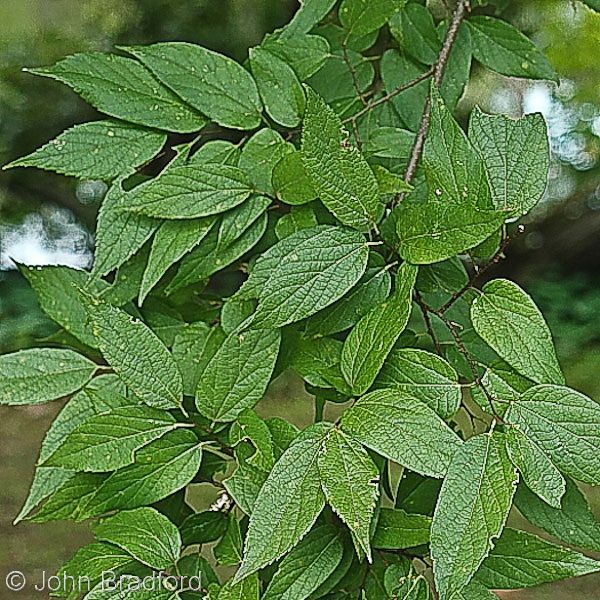
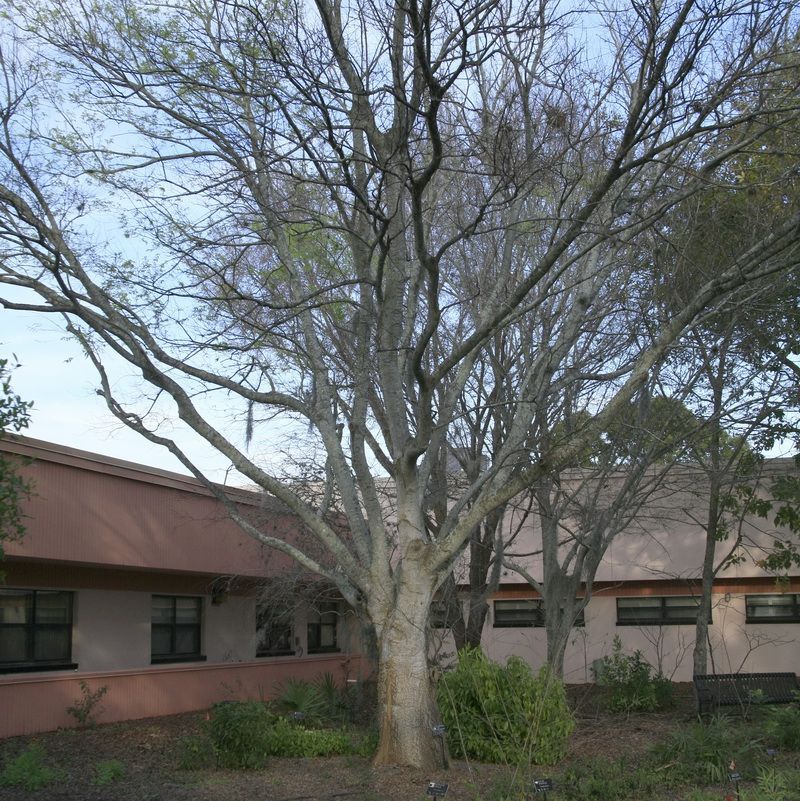
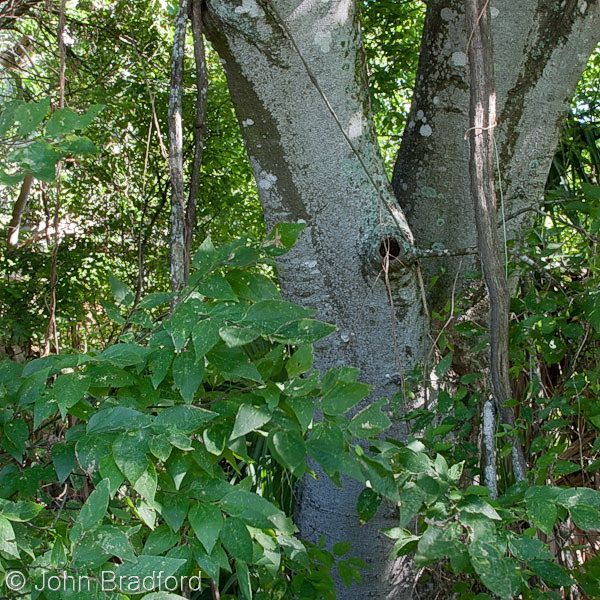
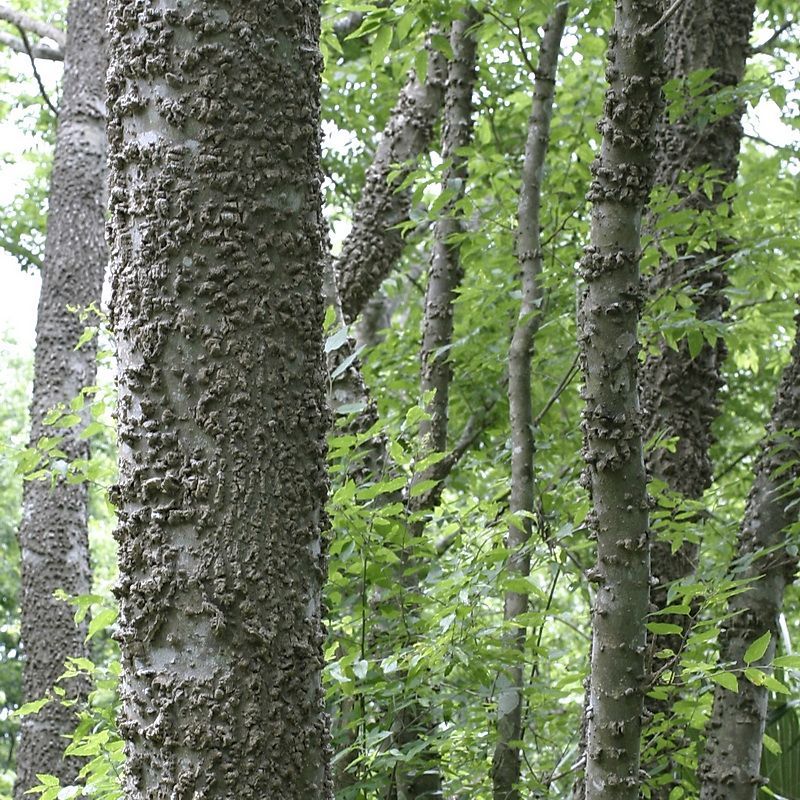
Photographs belong to the photographers who allow use for FNPS purposes only. Please contact the photographer for all other uses.
Nomenclature
Common Name:
hackberry, sugarberry
Synonym(s):
Genus species:
Celtis laevigata
Family:
Cannabaceae
Plant Specifics
Form:
tree
Size:
60-80 ft tall by 30-50 ft wide
Life Span:
long-lived perennial; lifespan up to 150 yrs (Nelson)
Flower Color:
yellow
Fruit Color:
brown
Phenology:
deciduous; inconspicuous blooms in early spring, with fruits ripening in fall
Noted For:
Landscaping
Recommended Uses:
Rarely used but suited to informal areas. Tolerant of root disturbance, so appropriate to parking lots and street tree uses.
Considerations:
Somewhat weak. Shallow root system limits plants growing under it.
Availability:
Propagation:
seed
Light:
Moisture Tolerance:
Always Flooded------------------------------------------------Extremely Dry
Stays Wet ---to--- Not wet but not extremely dry
Salt Water Flooding Tolerance:
Not salt tolerant of inundation by salty or brackish water
Salt Spray/Salty Soil Tolerance:
Low/no tolerance of salty wind or direct salt spray
Soil or Other Substrate:
Clay, Loam, Sand
Soil pH:
neutral to calcareous
Suitable to Grow In:
8A, 8B, 9A, 9B, 10A, 10B

USDA zones are based on the average annual extreme minimum winter temperature.
Don't know your zone? Click here to search by zip code.
Ecology
Wildlife:
Fruits are eaten by a number of birds and small mammals. Provides cover.
Larval host for hackberry emperor (Asterocampa celtis), and mourning cloak (Nymphalis antiopa) butterflies. Sole larval host plant for American snout butterfly (Libytheana carineta) in South Florida; also larval host for tawny emperor (Asterocampa clyton), question mark (Polygonia interrogationis) butterflies.
Wind pollinated.
Native Habitats:
River floodplains, ruderal
Natural Range in Florida:
Visit the USF Libraries Atlas of Florida Plants
Comments:
Ethnobotany:
General Comments:
Interesting, warty bark on some specimens.


Citations:
Huegel, Craig N. 2010. Native Plant Landscaping for Florida Wildlife. University Press of Florida, Gainesville.
Koeser, A. K., G. Hasing, M. H. Friedman, and R. B. Irving. 2015. Trees: North and Central Florida. UF/IFAS Center for Landscape Conservation and Ecology, Gainesville.
Nelson, Gil. 2003. Florida's Best Landscape Plants: 200 Readily Available Species for Homeowners and Professionals. University Press of Florida, Gainesville.

