FNPS Plant Database
Cercis canadensis
eastern redbud
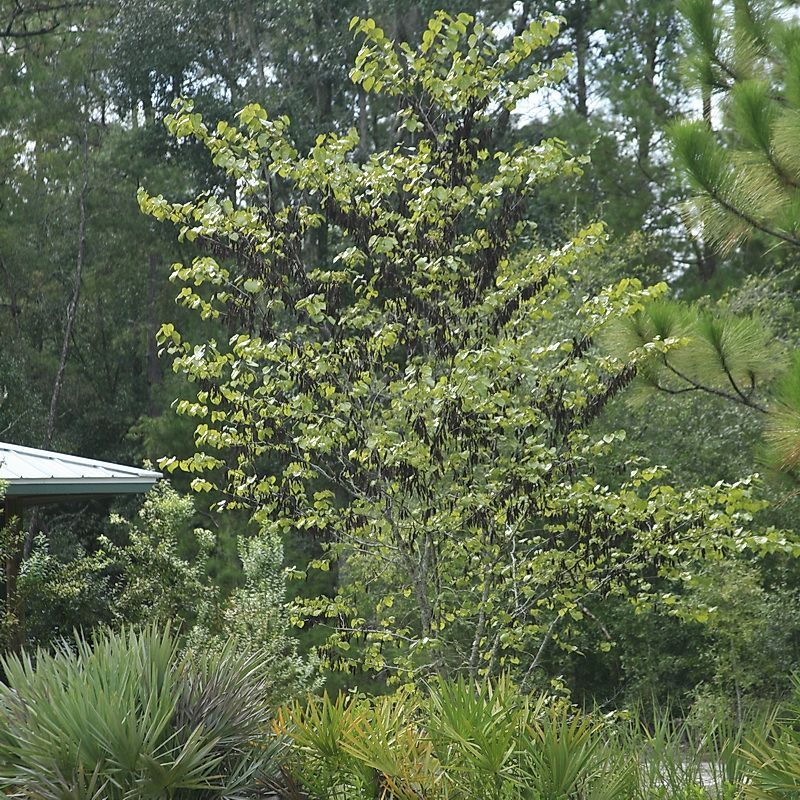
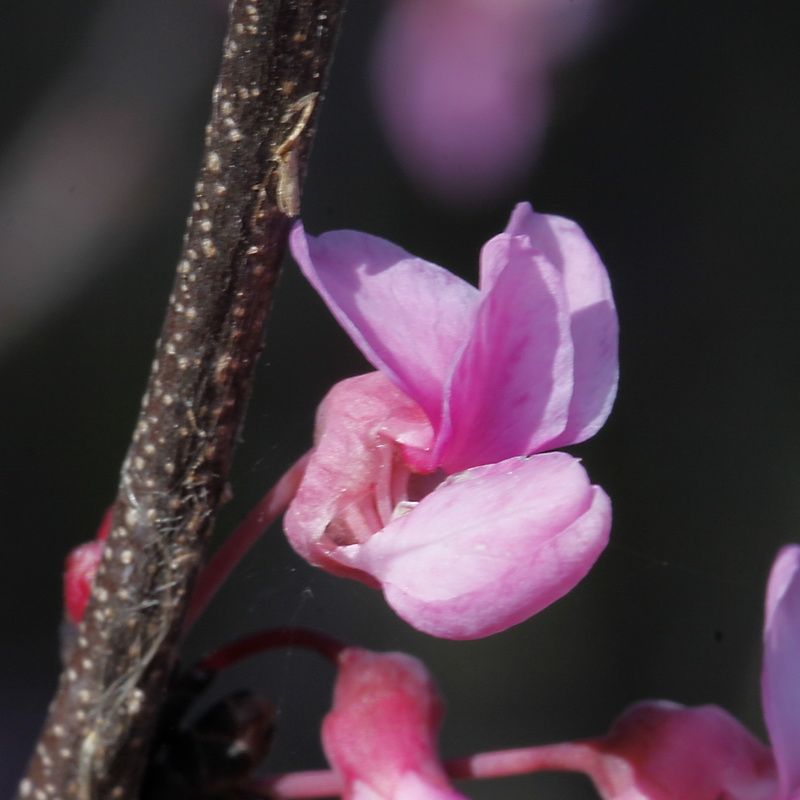
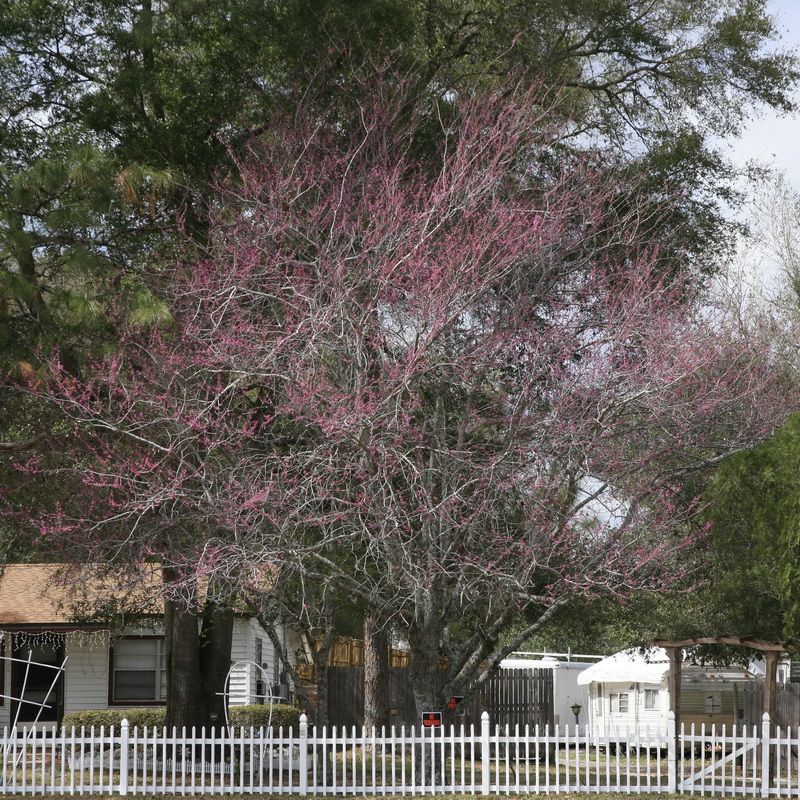
Photographs belong to the photographers who allow use for FNPS purposes only. Please contact the photographer for all other uses.
Nomenclature
Common Name:
eastern redbud
Synonym(s):
Genus species:
Cercis canadensis
Family:
Fabaceae (Leguminosae)
Plant Specifics
Form:
tree
Size:
25-30 ft tall by 25-35 ft wide
Life Span:
long-lived perennial; lifespan <50 yrs (Nelson) but in south part of range, likely much less (Denton)
Flower Color:
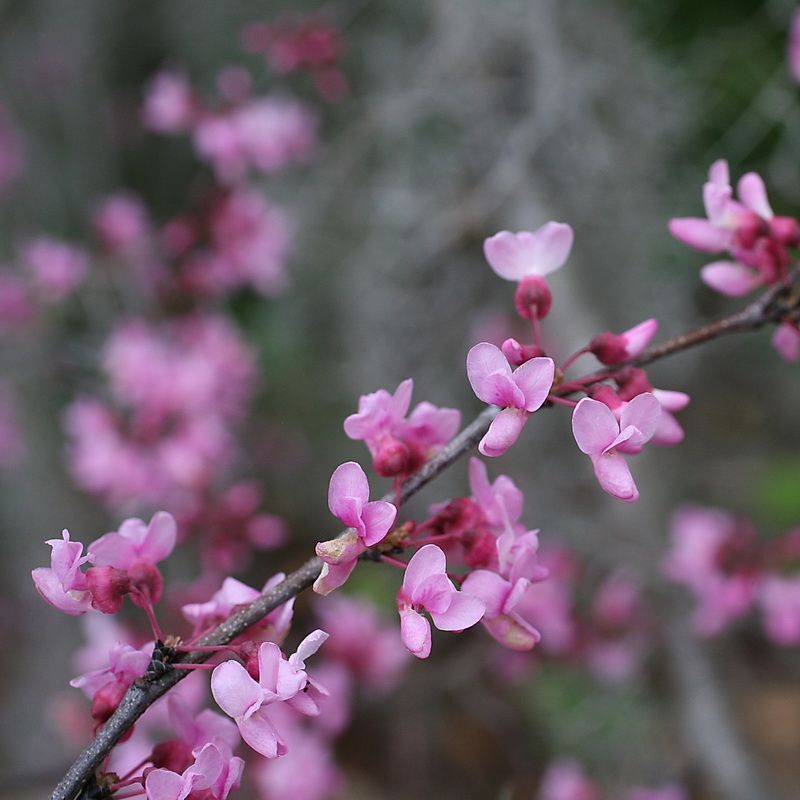
pink
Fruit Color:
brown
Phenology:
deciduous; blooms late winter-spring, with fruits ripening summer-fall
Noted For:
Landscaping
Recommended Uses:
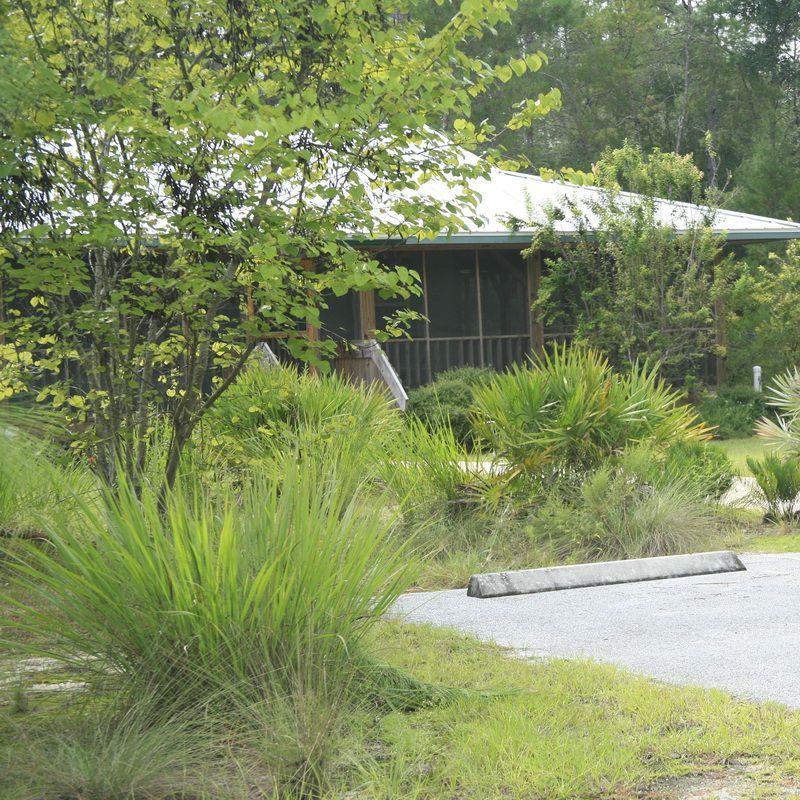
Moderate-sized specimen tree.
Considerations:
At the extreme south end of its range, it may not bloom well. The wood is weak and is likely to break off during a high wind event unless grouped with other trees and shrubs.
Availability:
Propagation:
seed
Light:
Moisture Tolerance:
Always Flooded------------------------------------------------Extremely Dry
Usually moist, occasional inundation ---to--- Short very dry periods
Salt Water Flooding Tolerance:
Not salt tolerant of inundation by salty or brackish water
Salt Spray/Salty Soil Tolerance:
Low/no tolerance of salty wind or direct salt spray
Soil or Other Substrate:
Loam, Sand
Soil pH:
slightly acidic to somewhat calcareous
Suitable to Grow In:
8A, 8B, 9A, 9B

USDA zones are based on the average annual extreme minimum winter temperature.
Don't know your zone? Click here to search by zip code.
Ecology
Wildlife:
Larval host for Henry's elfin (Callophrys henrici) and io moth (Automeris io).
Popular with bees including bumblebees.
Native Habitats:
Upland hardwood forests. Bluffs, hammocks, secondary woods.
Natural Range in Florida:
Visit the USF Libraries Atlas of Florida Plants
Comments:
Ethnobotany:
Flowers and young pods are edible.
General Comments:
Bloom can be long lasting relative to other early spring blooming trees, as long as a month. Duration is dependent on temperature. Flowers grow directly from the trunk.



Citations:
Nelson, Gil. 2003. Florida's Best Landscape Plants: 200 Readily Available Species for Homeowners and Professionals. University Press of Florida, Gainesville.

