
FNPS Plant Database
Chamaecyparis thyoides
Atlantic white cedar
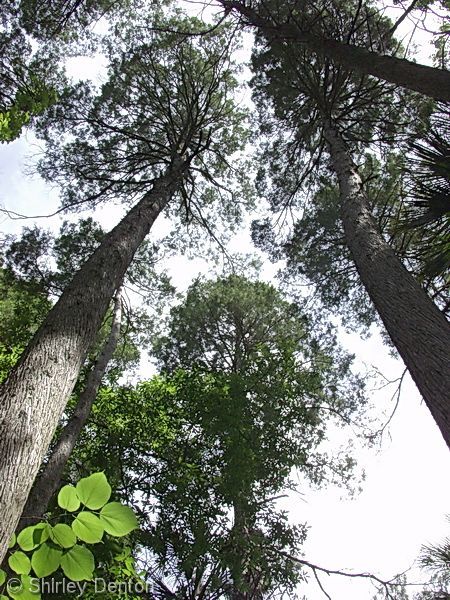
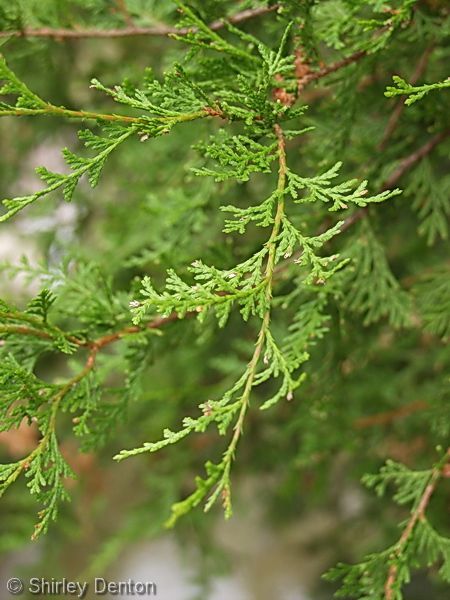
Photographs belong to the photographers who allow use for FNPS purposes only. Please contact the photographer for all other uses.
Nomenclature
Common Name:
Atlantic white cedar
Synonym(s):
Genus species:
Chamaecyparis thyoides
Family:
Cupressaceae
Plant Specifics
Form:
tree
Size:
20-40 (60) ft tall by 10-20 ft wide
Life Span:
long-lived perennial; lifespan >100 years (Nelson)
Flower Color:
Fruit Color:
Phenology:
evergreen
Noted For:
Landscaping
Recommended Uses:
Specimen tree especially for moist sites.
Considerations:
Availability:
Propagation:
seed and softwood cuttings
Light:
Moisture Tolerance:
Always Flooded------------------------------------------------Extremely Dry
Stays wet ---to--- Somewhat moist, no flooding
Salt Water Flooding Tolerance:
Not salt tolerant of inundation by salty or brackish water
Salt Spray/Salty Soil Tolerance:
Moderate. Tolerant of salty wind and may get some salt spray. Exposure to salt spray would be uncommon (major storms).
Soil or Other Substrate:
Organic (muck), Sand
Soil pH:
acidic
Suitable to Grow In:
8A, 8B, 9A, 9B

USDA zones are based on the average annual extreme minimum winter temperature.
Don't know your zone? Click here to search by zip code.
Ecology
Wildlife:
Provides cover for birds and mammals.
Attracts deer and squirrels. Deer browse can be so intense as to limit survival of saplings.
Native Habitats:
Forested seepage areas, swamps, low stream banks
Natural Range in Florida:
Visit the USF Libraries Atlas of Florida Plants
Comments:
Ethnobotany:
Wood was used for log cabins, floors and shingles.
General Comments:
The natural distribution in Florida is predominantly related to soil and drainage conditions. If you provide them, it should grow successfully from Lake County northward.