
FNPS Plant Database
Chrysobalanus icaco
coco plum, cocoplum
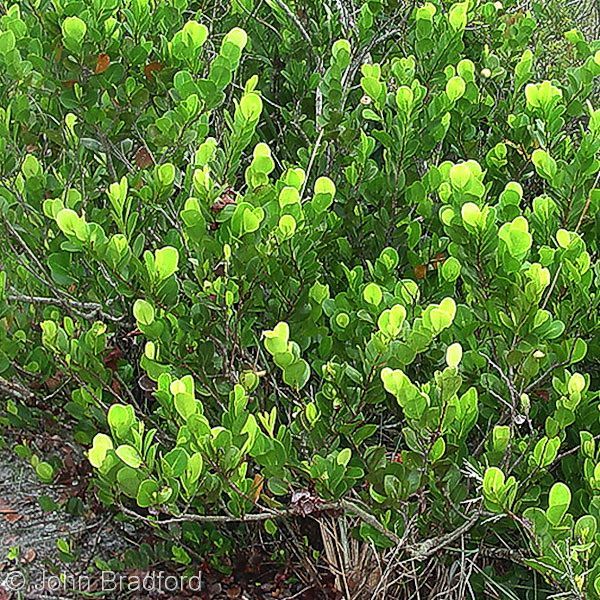
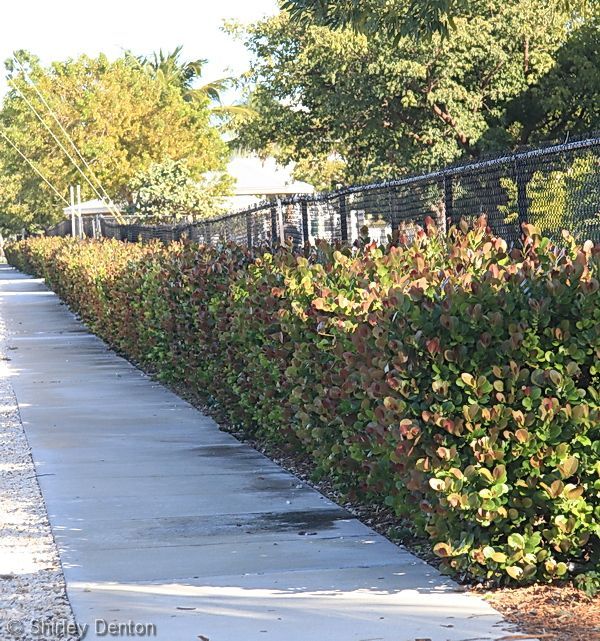
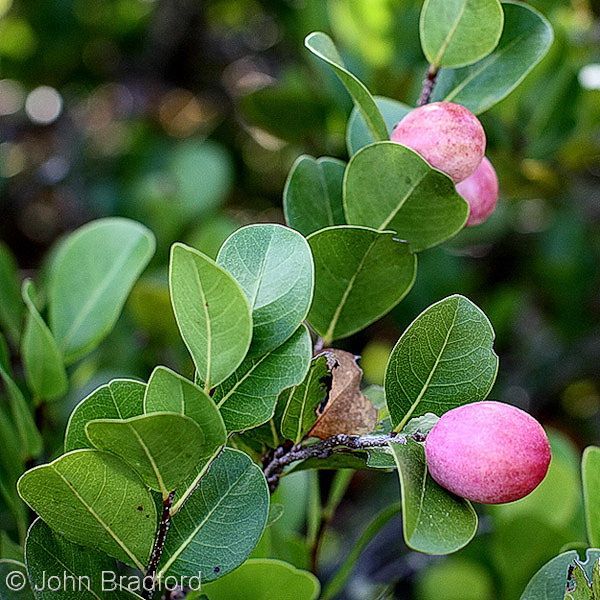
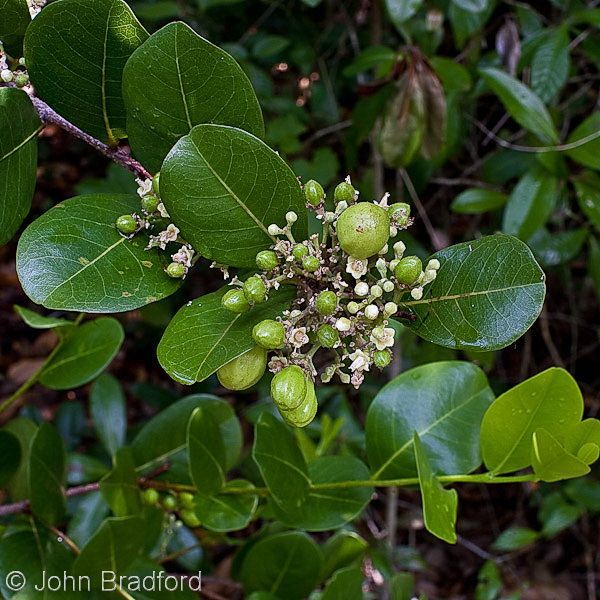
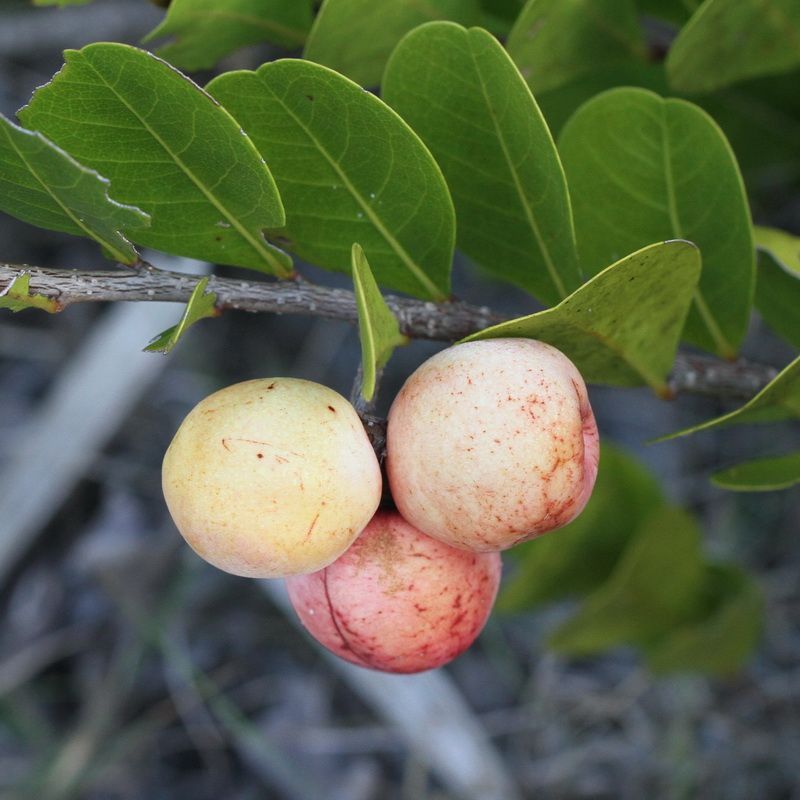
Photographs belong to the photographers who allow use for FNPS purposes only. Please contact the photographer for all other uses.
Nomenclature
Common Name:
coco plum, cocoplum
Synonym(s):
Genus species:
Chrysobalanus icaco
Family:
Chrysobalanaceae
Plant Specifics
Form:
shrub
Size:
10-30 ft tall by 10-20 ft wide
Life Span:
long-lived perennial
Flower Color:
white
Fruit Color:
unripe fruits pink maturing to purple-black
Phenology:
evergreen; blooms and fruits throughout the year
Noted For:
Landscaping
Recommended Uses:
Hedges, specimen plants, screens.
Considerations:
Availability:
Propagation:
seed or hardwood cuttings
Light:
Moisture Tolerance:
Always Flooded------------------------------------------------Extremely Dry
Usually moist, occasional inundation ---to--- Very long very dry periods
Salt Water Flooding Tolerance:
Tolerant of inundation with brackish water
Salt Spray/Salty Soil Tolerance:
Some tolerance to salty wind but not direct salt spray
Soil or Other Substrate:
Clay, Sand
Soil pH:
broadly tolerant
Suitable to Grow In:
10A, 10B, 11

USDA zones are based on the average annual extreme minimum winter temperature.
Don't know your zone? Click here to search by zip code.
Ecology
Wildlife:
Wildlife and birds consume the fruits though they areless useful for small birds due to itheir large size.
Provides dense cover.
attracts various pollinators, especially bees
Native Habitats:
Coastal swamps, beaches, cypress dones, Everglades tree islands, edges of ditches and canals.
Natural Range in Florida:
Visit the USF Libraries Atlas of Florida Plants
Comments:
Ethnobotany:
Jelly is sometimes made from the fruits.
General Comments:
At least two cocoplum cultivars are available. 'Red tip' is an inland plant that is not salt tolerant. 'Horizontal' is a spreading form that may be used as a low, woody shrub that requires little or no pruning. Typical cocplum will grow into a tree 20-30 feet tall. (Nelson)
Pasco County occurrence is a 2004 specimen from Anclote Key Preserve and is a potential indicator of northward migration due to global warming.



Citations:
Austin, Daniel, Penelope N. Honychurch, and Steve Bass. 1991. Coastal Dune Plants. Gumbo Limbo Nature Center, Boca Raton.
Nelson, Gil. 2003. Florida's Best Landscape Plants: 200 Readily Available Species for Homeowners and Professionals. University Press of Florida, Gainesville.
Workman, Richard W. 1980. Growing Native: Native Plants for Landscape Use in Coastal South Florida. Sanibel-Captiva Conservation Foundation, Inc.: Sanibel, FL.

