
FNPS Plant Database
Cirsium horridulum
purple thistle, yellow thistle
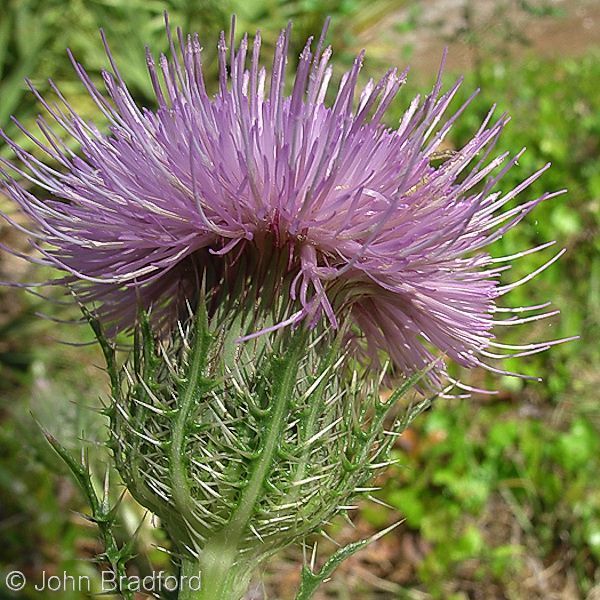
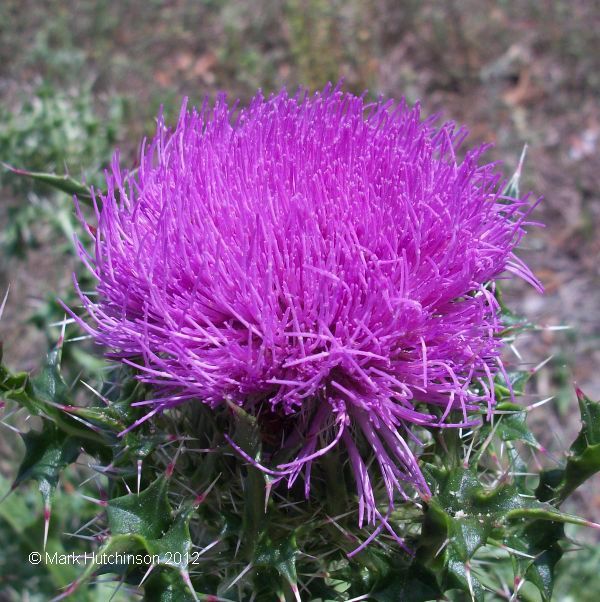
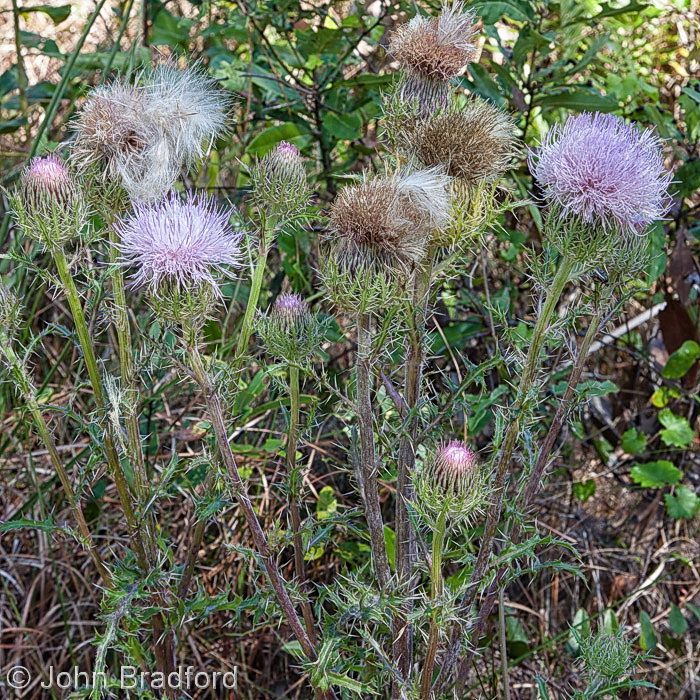
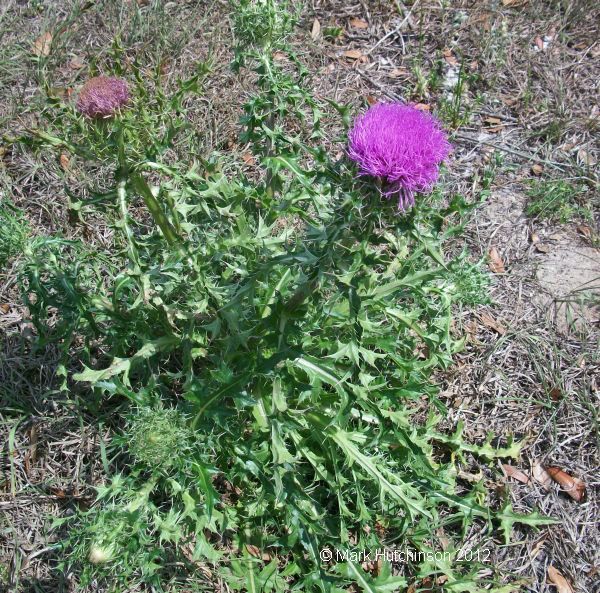
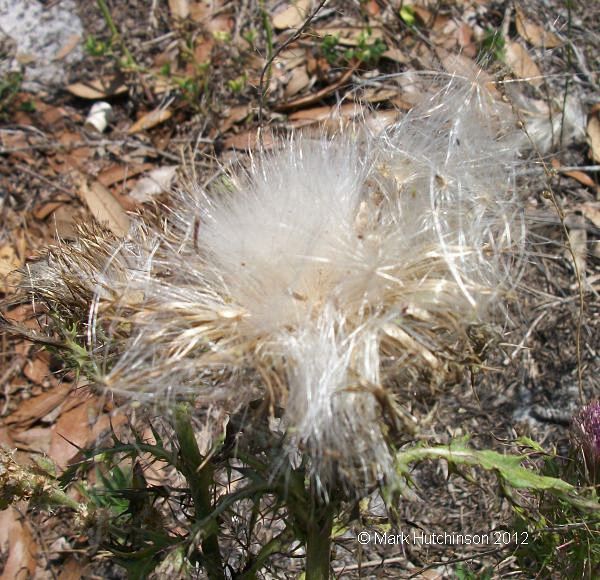
Photographs belong to the photographers who allow use for FNPS purposes only. Please contact the photographer for all other uses.
Nomenclature
Common Name:
purple thistle, yellow thistle
Synonym(s):
Genus species:
Cirsium horridulum
Family:
Asteraceae (Compositae)
Plant Specifics
Form:
flower
Size:
1-4 ft tall by 1-2 ft wide
Life Span:
biennial
Flower Color:
regionally variable: white, pink, purple, yellow
Fruit Color:
white
Phenology:
overwinters as a basal rosette; blooms in spring
Noted For:
Landscaping
Recommended Uses:
Natural landscapes including meadows and butterfly gardens.
Considerations:
Purple thistle is a thorny plant - be very careful when handling.
Availability:
Propagation:
Readily self seeds. Following pollination the flower head can be bagged to collect the seed head which follows.
Light:
Moisture Tolerance:
Always Flooded------------------------------------------------Extremely Dry
Somewhat moist, no flooding ---to--- Somewhat long very dry periods
Salt Water Flooding Tolerance:
Not salt tolerant of inundation by salty or brackish water
Salt Spray/Salty Soil Tolerance:
Some tolerance to salty wind but not direct salt spray
Soil or Other Substrate:
Sand
Soil pH:
6.1-7.8
Suitable to Grow In:
8A, 8B, 9A, 9B, 10A, 10B, 11

USDA zones are based on the average annual extreme minimum winter temperature.
Don't know your zone? Click here to search by zip code.
Ecology
Wildlife:
The seeds are rich in oil, an important food source for seed-eating birds.
Larval host to little metalmark (Calephelis virginiensis) and painted lady (Vanessa cardui) butterflies.
Nectar source for native butterflies and bumblebees. Bees documented in Florida include Evylaeus pectoralis, Halictus ligatus, Lithurgzcs gibbosus, Megachile brevis pseudobrevis, and the non-native Apis mellifera (honeybee) (Deyrup et al. 2002).
Beetles eat the flowers.
Provides nesting material for some native bees (based on information provided by the Xerces Society to the Lady Bird Johnson Wildflower Center)
Native Habitats:
Coastal plain, edges of salt marshes, pinewoods, prairies and disturbed areas.
Natural Range in Florida:
Visit the USF Libraries Atlas of Florida Plants
Comments:
Ethnobotany:
Members of the Seminole tribe used parts of this plant to make blowgun darts.
General Comments:
Readily self seeds. Following pollination the flower head can be bagged to collect the seed head which follows.


Citations:
Deyrup, Mark, Jayanthi Edirisinghe, and Beth Norden. 2002. The diversity and floral hosts of bees at the Archbold Biological Station, Florida (Hymenoptera: Apoidea). 16.
Minno, Marc and Maria Minno. 1999. Florida Butterfly Gardening: A Complete Guide to Attracting, Identifying, and Enjoying Butterflies. University Press of Florida, Gainesville.

