FNPS Plant Database
Citharexylum spinosum
fiddlewood
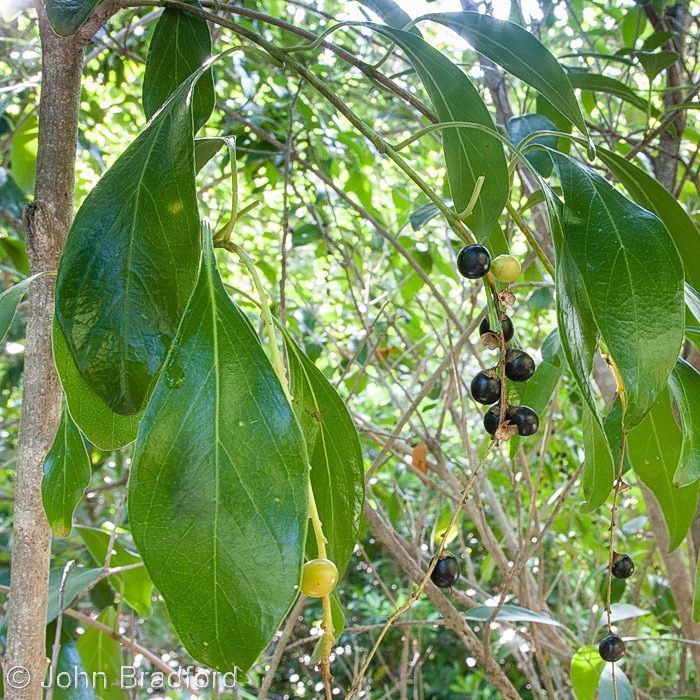
Photographs belong to the photographers who allow use for FNPS purposes only. Please contact the photographer for all other uses.
Nomenclature
Common Name:
fiddlewood
Synonym(s):
Citharexylum fruticosum
Genus species:
Citharexylum spinosum
Family:
Verbenaceae
Plant Specifics
Form:
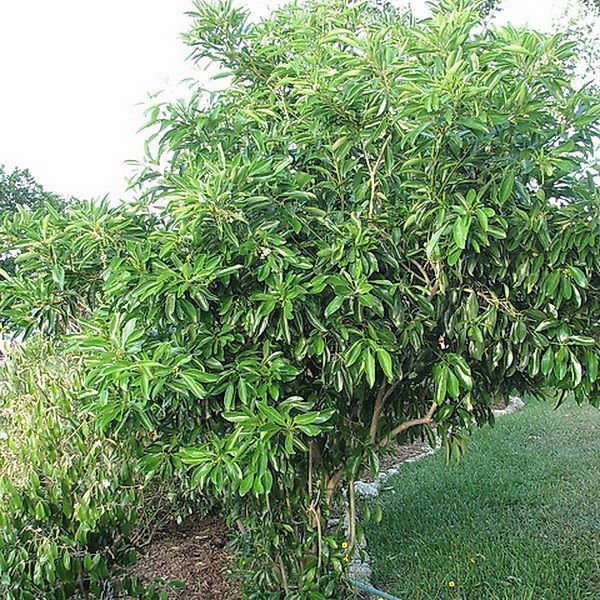
shrub
Size:
12-25 feet ft tall by up to 12 feet ft wide
Life Span:
long-lived perennial; moderately long-lived (Nelson 2003)
Flower Color:
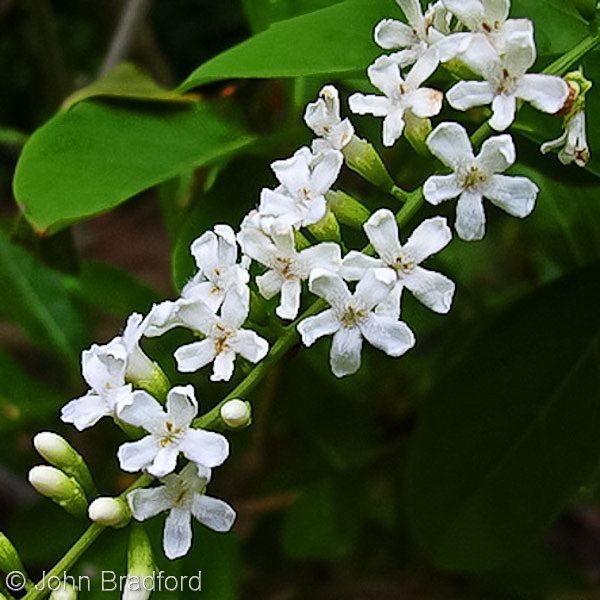
white
Fruit Color:
young fruits orange, mature to brown
Phenology:
evergreen; dioecious, with flowers and fruits throughout the year
Noted For:
Landscaping
Recommended Uses:
Wonderful in a mixed hedge, can be sheared to desired height, but the flowers and berries are too good to be missed. Excellent specimen plant. This plant is naturally multi-stemmed; to form a tree, the stems must be continually reduced to one until a trunk is formed.
Considerations:
Availability:
Propagation:
seeds, cuttings
Light:
Moisture Tolerance:
Always Flooded------------------------------------------------Extremely Dry
Somewhat moist, no flooding ---to--- Somewhat long very dry periods
Salt Water Flooding Tolerance:
Not salt tolerant of inundation by salty or brackish water
Salt Spray/Salty Soil Tolerance:
Low/no tolerance of salty wind or direct salt spray
Soil or Other Substrate:
Lime Rock, Sand
Soil pH:
adaptable
Suitable to Grow In:
9B, 10A, 10B, 11

USDA zones are based on the average annual extreme minimum winter temperature.
Don't know your zone? Click here to search by zip code.
Ecology
Wildlife:
Berries eaten by many species of bids and other wildlife.
Larval host for fiddlewood leafroller moth (Epicorsia oedipodalis) (Institute for Regional Conservation).
Nectar plant for butterflies.
Attracts bee pollinators.
Native Habitats:
Dry sites. Pinelands, maritime and sub-tropical or tropical hammocks
Natural Range in Florida:
Visit the USF Libraries Atlas of Florida Plants
Comments:
Ethnobotany:
The strong and heavy wood of this plant are also the source of its name - it has long been used for musical instruments, including violins, guitars and others.
General Comments:
The shiny green leaves, gently fragrant flowers and glossy berries make this a charming plant. Can occasionally be subject to defoliation by the moth larvae, but these are an excellent food source for birds and their nestlings, and the fiddlewood regenerates quickly.



Citations:
Huegel, Craig N. 2010. Native Plant Landscaping for Florida Wildlife. University Press of Florida, Gainesville.
Nelson, Gil. 2003. Florida's Best Landscape Plants: 200 Readily Available Species for Homeowners and Professionals. University Press of Florida, Gainesville.
Nelson, Gil. 1996. The Shrubs & Woody Vines of Florida: A Reference and Field Guide. Pineapple Press, Sarasota.
Osorio, Rufino. 2001. A Gardener's Guide to Florida's Native Plants. University Press of Florida, Gainesville.

