
FNPS Plant Database
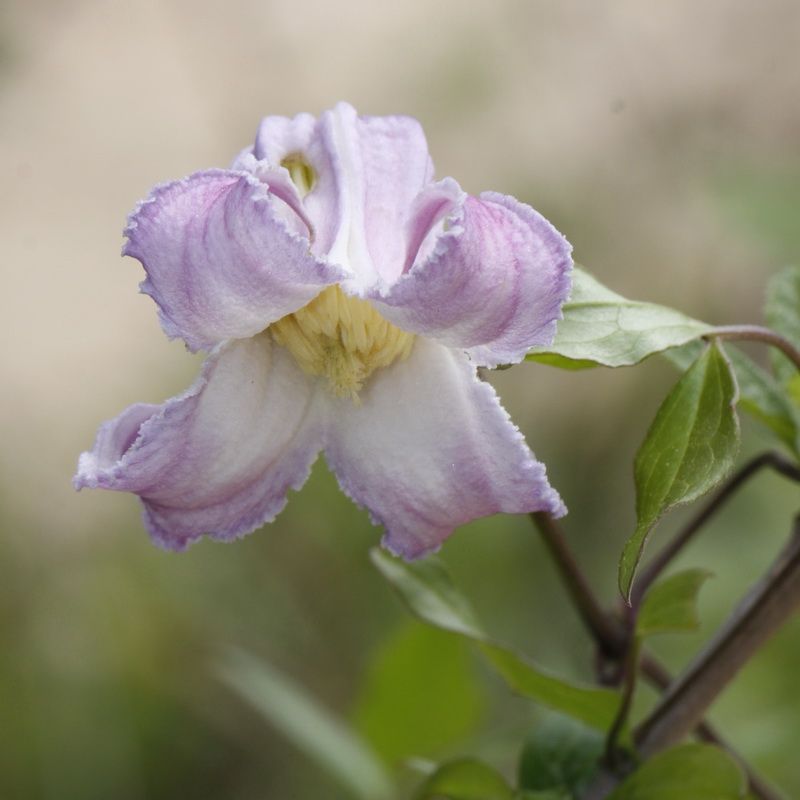
Clematis crispa
swamp leather flower
Photographs belong to the photographers who allow use for FNPS purposes only. Please contact the photographer for all other uses.
Nomenclature
Common Name:
swamp leather flower
Synonym(s):
Genus species:
Clematis crispa
Family:
Rannunculaceae
Plant Specifics
Form:
vine
Size:
typically 4-6 ft
Life Span:
long-lived perennial
Flower Color:
lavender
Fruit Color:
white
Phenology:
winter dormant, long bloom period (spring-fall)
Noted For:
Landscaping
Recommended Uses:
Grow on a trellis or fence.
Considerations:
To remain attractive and not become a mass of past growth, cut it back occasionally. Thin out old stems.
Availability:
Propagation:
Seed (may take several years to sprout), stem and root cuttings, layering.
Light:
Moisture Tolerance:
Always Flooded------------------------------------------------Extremely Dry
Usually moist, occasional inundation ---to--- Not wet but not extremely dry
Salt Water Flooding Tolerance:
Not salt tolerant of inundation by salty or brackish water
Salt Spray/Salty Soil Tolerance:
Low/no tolerance of salty wind or direct salt spray
Soil or Other Substrate:
Loam, Organic (muck), Sand
Soil pH:
acidic to circum-neutral
Suitable to Grow In:
8A, 8B, 9A, 9B

USDA zones are based on the average annual extreme minimum winter temperature.
Don't know your zone? Click here to search by zip code.
Ecology
Wildlife:
Attracts hummingbirds.
Larval host for mournful thyris (Thyris sepulchralis).
Attracts bees and butterflies.
Native Habitats:
Riverine swamps, wet hammocks. This species can be seen near the boardwalks at Flint Creek and Sargeant Parks in Hillsborough County.
Natural Range in Florida:
Visit the USF Libraries Atlas of Florida Plants
Comments:
Ethnobotany:
Poisonous to humans.
General Comments:
Climbs by twining petioles.



Citations:
Flower Friday: Swamp Leather-flower (plant profile). 2024. https://www.flawildflowers.org/flower-friday-clematis-crispa/ , accessed 2025. Florida Wildflower Foundation, Maitland, FL.
Huegel, Craig N. 2012. Native Wildflowers and Other Ground Covers for Florida Landscapes. University Press of Florida, Gainesville.

