FNPS Plant Database
Coccothrinax argentata
Florida silver palm
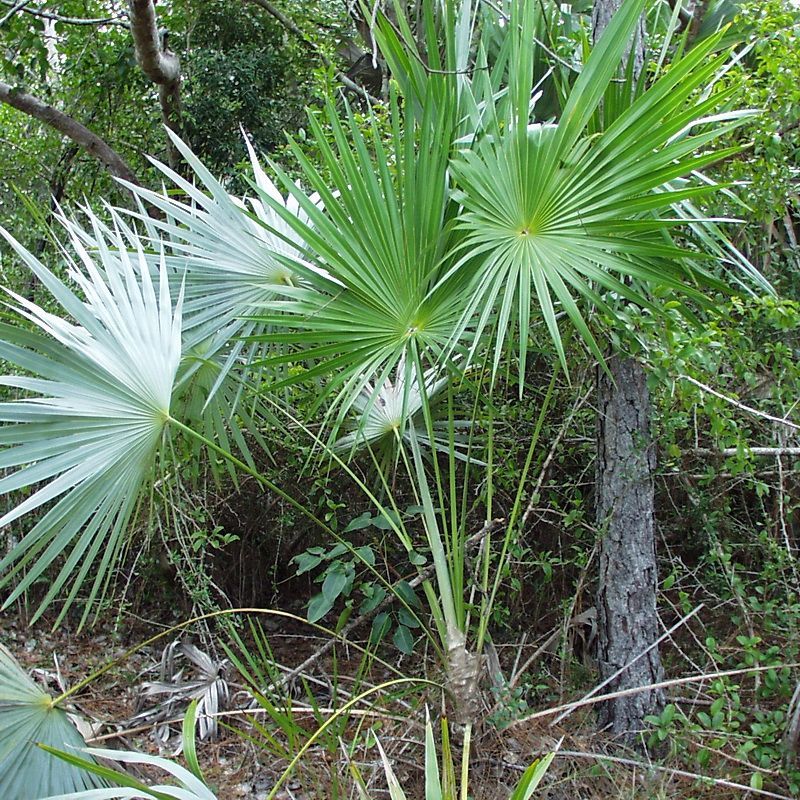
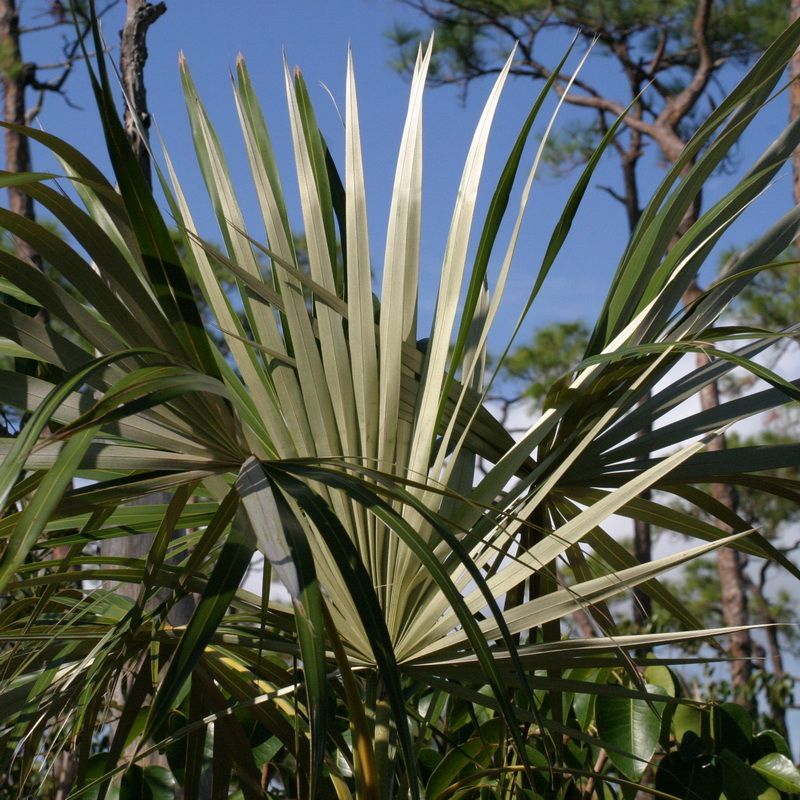
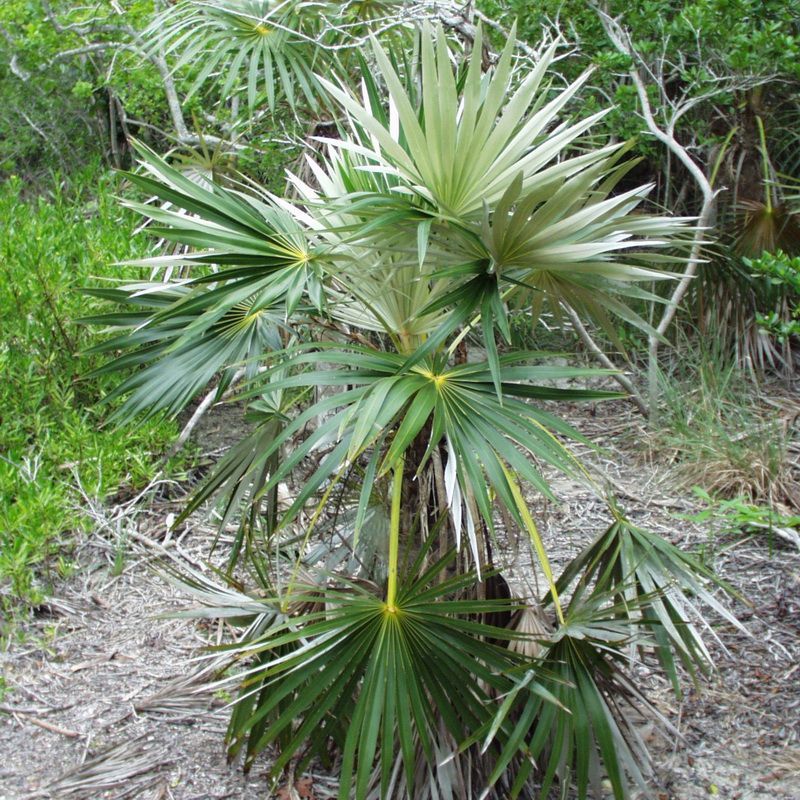
Photographs belong to the photographers who allow use for FNPS purposes only. Please contact the photographer for all other uses.
Nomenclature
Common Name:
Florida silver palm
Synonym(s):
Genus species:
Coccothrinax argentata
Family:
Arecaceae (Palmae)
Plant Specifics
Form:
palm
Size:
5-20 ft tall by to 5 ft wide
Life Span:
long-lived perennial
Flower Color:
white
Fruit Color:
red, purple
Phenology:
evergreen; slow-growing
Noted For:
Landscaping
Recommended Uses:
Specimen plant. Slow-growing hedge or background plant. Notable for the silver-white undersides to its leaves.
Considerations:
slow-growing
Availability:
Propagation:
de-pulped seed
Light:
Moisture Tolerance:
Always Flooded------------------------------------------------Extremely Dry
Somewhat moist, no flooding ---to--- Somewhat long very dry periods
Salt Water Flooding Tolerance:
Not salt tolerant of inundation by salty or brackish water
Salt Spray/Salty Soil Tolerance:
High. Can tolerate significant and ongoing amounts of salty wind and salt spray without injury.
Soil or Other Substrate:
Humus (organic, upland), Lime Rock, Sand
Soil pH:
Calcareous (high pH)
Suitable to Grow In:
10A, 10B, 11

USDA zones are based on the average annual extreme minimum winter temperature.
Don't know your zone? Click here to search by zip code.
Ecology
Wildlife:
Used by birds for nesting and food.
Larval host for monk skipper (Asbolis capucinus). Bees are attracted to the flowers (Khorsand 2009).
Native Habitats:
Pine rockland, rockland hammock, maritime hammock
Natural Range in Florida:
Visit the USF Libraries Atlas of Florida Plants
Comments:
Ethnobotany:
In the West Indies, it is used for making baskets, hats and other crafts.
General Comments:
It is listed as threatened by the state of Florida. Should be acquired only from properly licensed sources.