
FNPS Plant Database
Conradina glabra
Apalachicola conradina
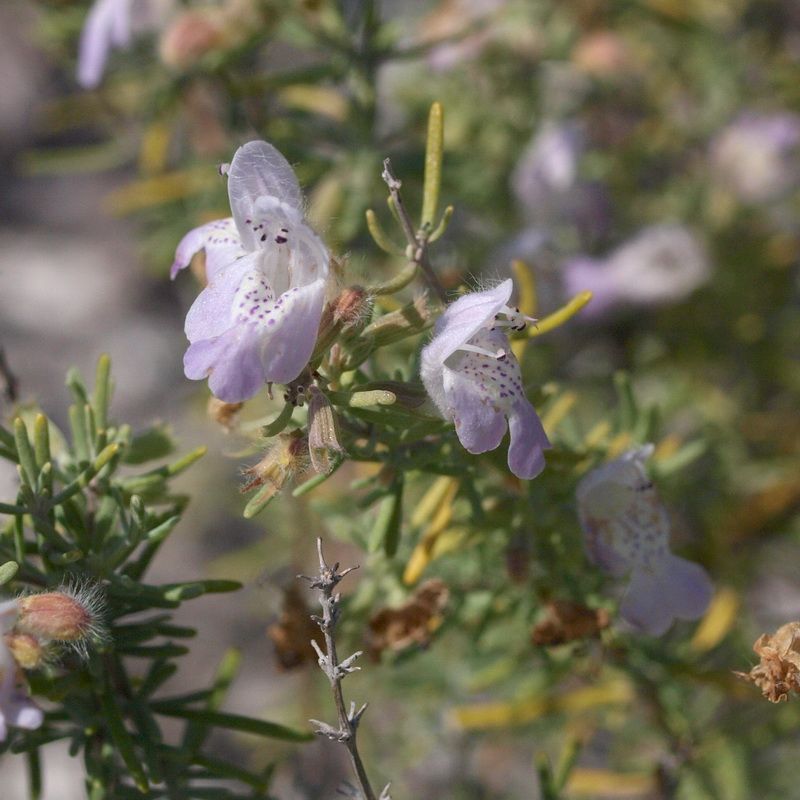
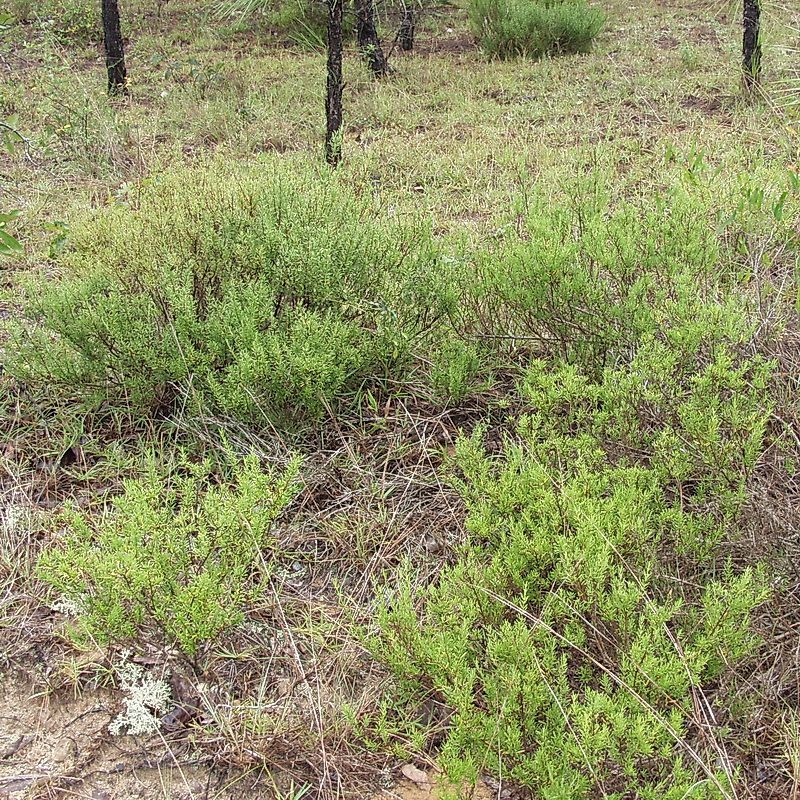
Photographs belong to the photographers who allow use for FNPS purposes only. Please contact the photographer for all other uses.
Nomenclature
Common Name:
Apalachicola conradina
Synonym(s):
Genus species:
Conradina glabra
Family:
Lamiaceae (Labiatae)
Plant Specifics
Form:
shrub
Size:
3-4 ft tall by 2-3 ft wide
Life Span:
long-lived perennial; long-lived if grown in appropriate open, sandy dry sites (Nelson 2003)
Flower Color:
lavender
Fruit Color:
Phenology:
evergreen; long bloom season, primarily in spring
Noted For:
Landscaping
Recommended Uses:
border plant or scattered in a wildlflower garden
Considerations:
Availability:
Propagation:
Light:
Moisture Tolerance:
Always Flooded------------------------------------------------Extremely Dry
Not wet but not extremely dry ---to--- Very long very dry periods
Salt Water Flooding Tolerance:
Not salt tolerant of inundation by salty or brackish water
Salt Spray/Salty Soil Tolerance:
Low/no tolerance of salty wind or direct salt spray
Soil or Other Substrate:
Sand
Soil pH:
acidic
Suitable to Grow In:
8A, 8B

USDA zones are based on the average annual extreme minimum winter temperature.
Don't know your zone? Click here to search by zip code.
Ecology
Wildlife:
attracts many pollinators, especially bees
Native Habitats:
Sandhill. Seen in open sandhill at Appalachicola Bluffs and Ravines Preserve. Upper edges of steepheads in the transition to sandhills, edges of pine plantation, roadsides. Only experimental plantings on conservation lands. All natural populations in plantations and rights of way. High probability that SRD's flower photos are mis-ID; habit photo is good.
Natural Range in Florida:
Visit the USF Libraries Atlas of Florida Plants
Comments:
Ethnobotany:
General Comments:
Listed as Endangered by the State of Florida and the U.S. Fish & Wildlife Service. This is a rare plant endemic to one panhandle county and should only be acquired from reputable plant nurseries.


Citations:
20 Easy-to-Grow Wildflowers. 2023. Florida Wildflower Foundation, Maitland, FL.
Chafin, L. G. 2000. Field Guide to the Rare Plants of Florida. Florida Natural Areas Inventory, Tallahassee, Florida.
Huegel, Craig N. Native Florida Wildflowers (blog). http://hawthornhillwildflowers.blogspot.com/ , accessed 2025.
Huegel, Craig N. 2012. Native Wildflowers and Other Ground Covers for Florida Landscapes. University Press of Florida, Gainesville.

