
FNPS Plant Database
Consolea corallicola
semaphore pricklypear, semaphore cactus
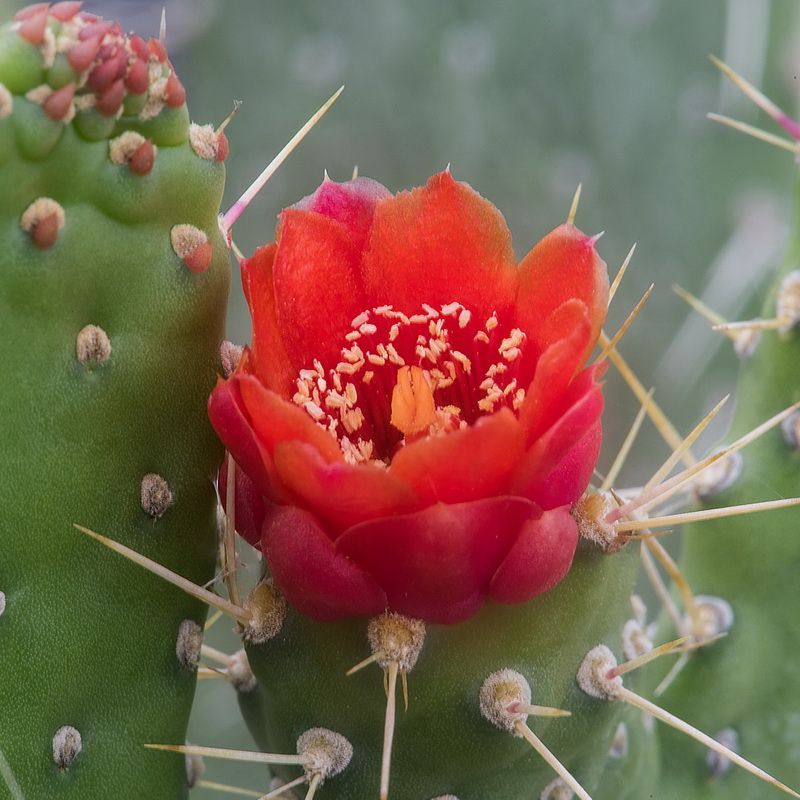
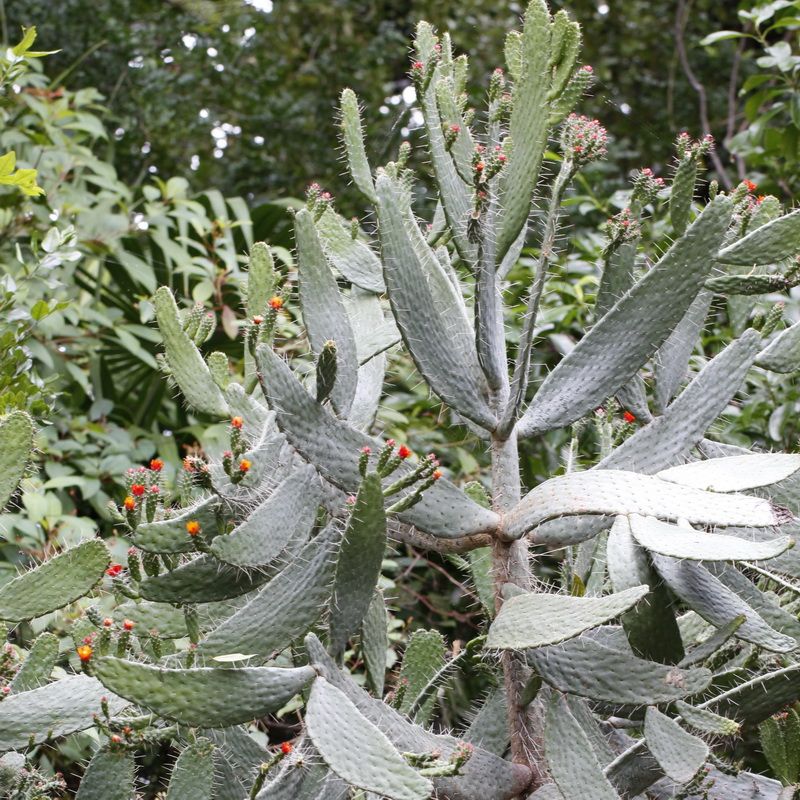
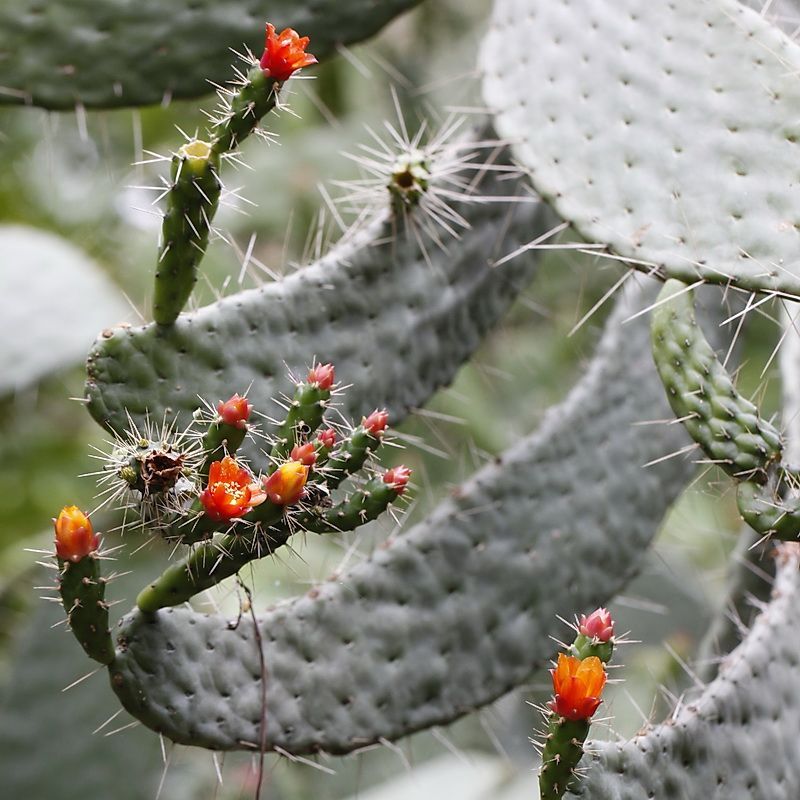
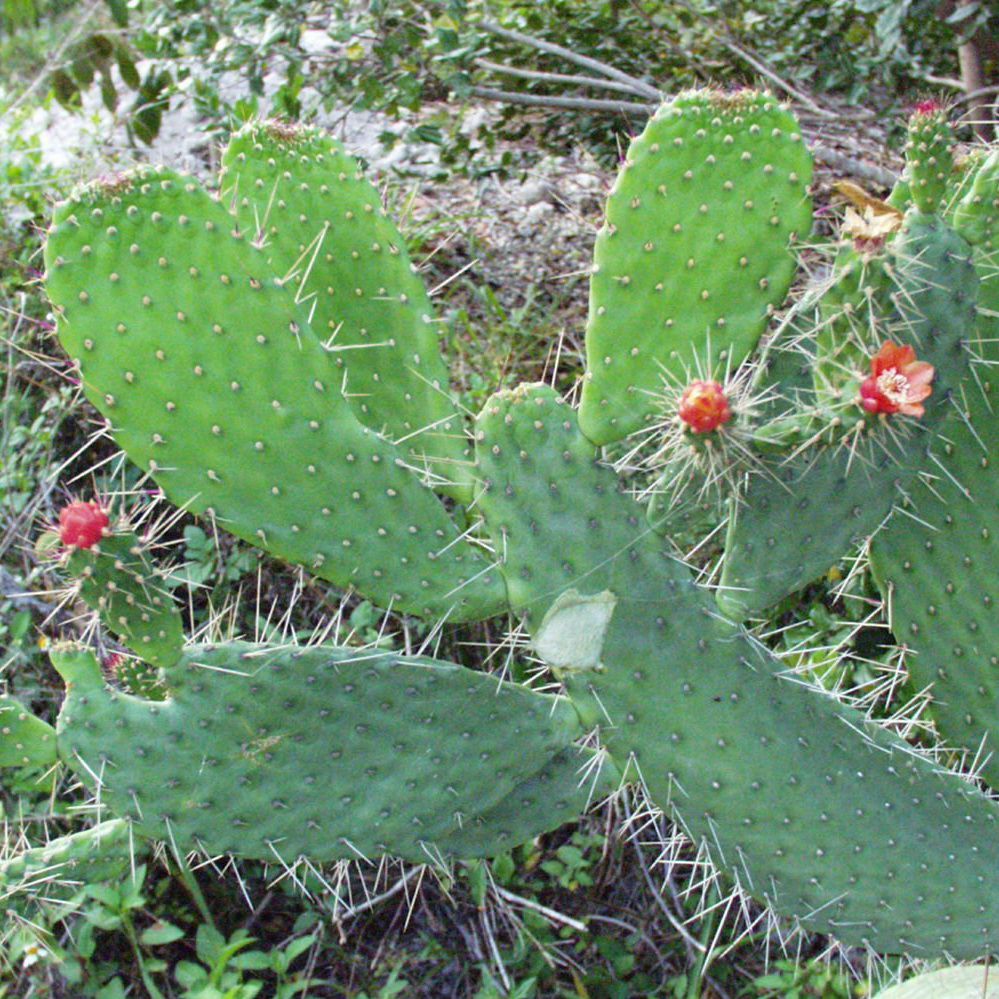
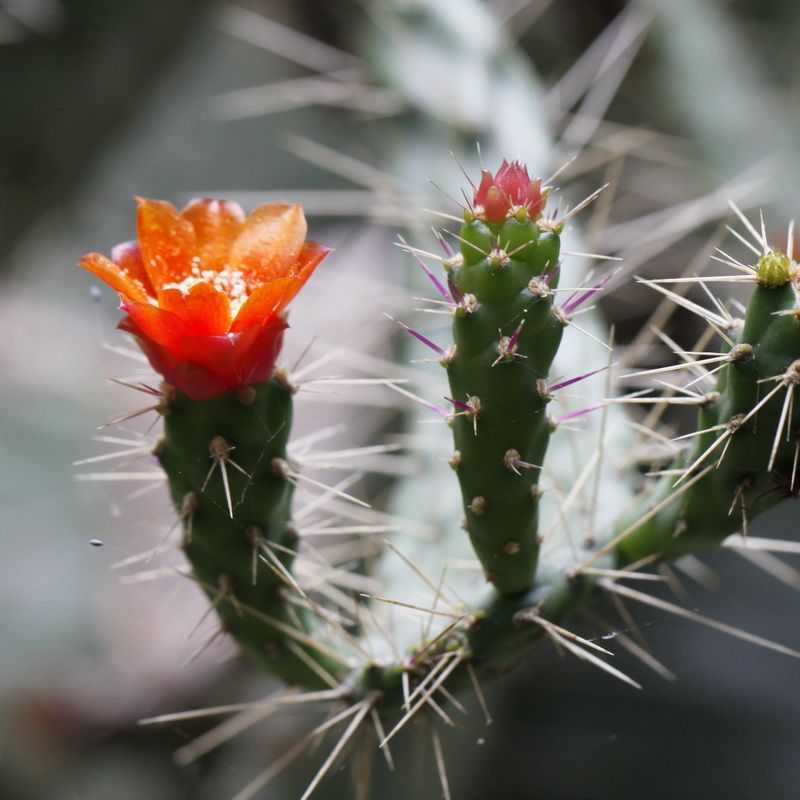
Photographs belong to the photographers who allow use for FNPS purposes only. Please contact the photographer for all other uses.
Nomenclature
Common Name:
semaphore pricklypear, semaphore cactus
Synonym(s):
Opuntia corallicola
Genus species:
Consolea corallicola
Family:
Cactaceae
Plant Specifics
Form:
tree
Size:
4-10 ft
Life Span:
long-lived perennial
Flower Color:
red
Fruit Color:
red
Phenology:
evergreen
Noted For:
Landscaping
Recommended Uses:
specimen plant
Considerations:
This is an ENDANGERED plant (listed both Florida and US). Please acquire this endemic plant only from a reputable source.
Availability:
Propagation:
Consolea corallicola has extremely low genetic diversity as the only two natural populations are clones (both functionally male). Currently propagated by planting pads.
Light:
Moisture Tolerance:
Always Flooded------------------------------------------------Extremely Dry
Usually moist, occasional inundation ---to--- Short very dry periods
Salt Water Flooding Tolerance:
Tolerant of occasional/brief inundation such as can occur in storm surges
Salt Spray/Salty Soil Tolerance:
Some tolerance to salty wind but not direct salt spray
Soil or Other Substrate:
Lime Rock
Soil pH:
calcareous (high pH)
Suitable to Grow In:
10B, 11

USDA zones are based on the average annual extreme minimum winter temperature.
Don't know your zone? Click here to search by zip code.
Ecology
Wildlife:
One of several cactus species that is attacked by the cactus moth Cactoblastis cactorum that arrived in Florida in 1989. This invasive moth species has become a serious threat to the diversity and abundance of Consolea corallicola and Opuntia cacti in North America.
Native Habitats:
Tropical rockland hammock, coastal rock barren, freshwater tidal swamp and inland margins of mangrove swamp. (Photographs are of specimens planted at Fairchild Botanical Gardens.)
Natural Range in Florida:
Visit the USF Libraries Atlas of Florida Plants
Comments:
Ethnobotany:
General Comments:



Citations:
Chafin, L. G. 2000. Field Guide to the Rare Plants of Florida. Florida Natural Areas Inventory, Tallahassee, Florida.
Gann, G.D., C.J. Abbott, C.G. Stocking, K.N. Hines, and collaborators. Natives For Your Neighborhood. https://www.regionalconservation.org/beta/nfyn/plantdetail.asp?TXCODE=Conscora , accessed 2025. The Institute for Regional Conservation. Delray Beach, Florida.
Florida Semaphore Cactus ( Consolea corallicola ) (plant profile). https://saveplants.org/plant-profile/?CPCNum=3030 , accessed 2025. Center for Plant Conservation, Wildomar, CA.

