FNPS Plant Database
Cornus amomum
silky dogwood, silky cornel
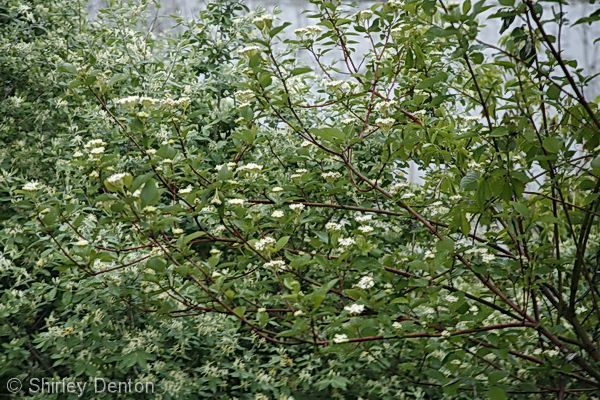
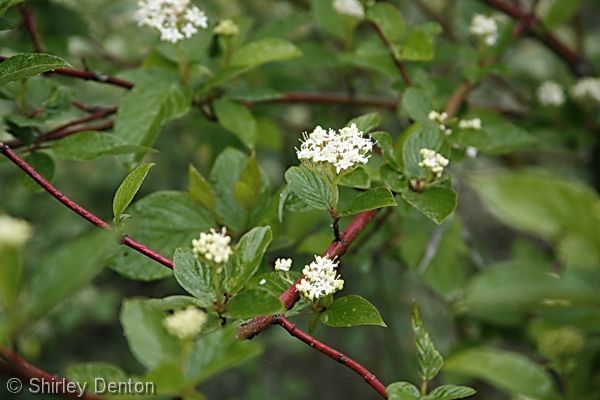
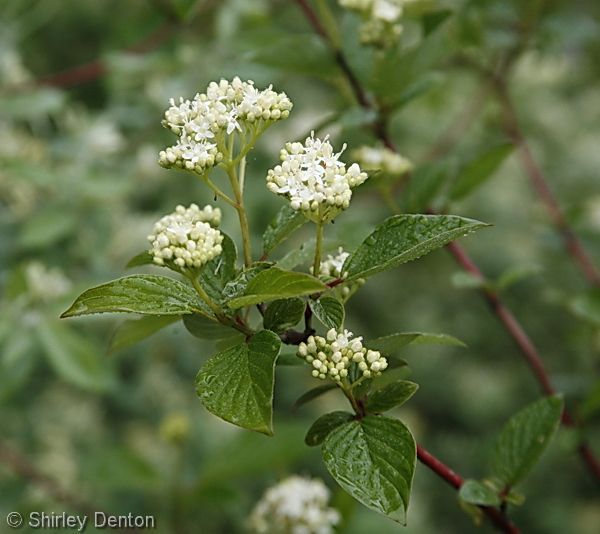
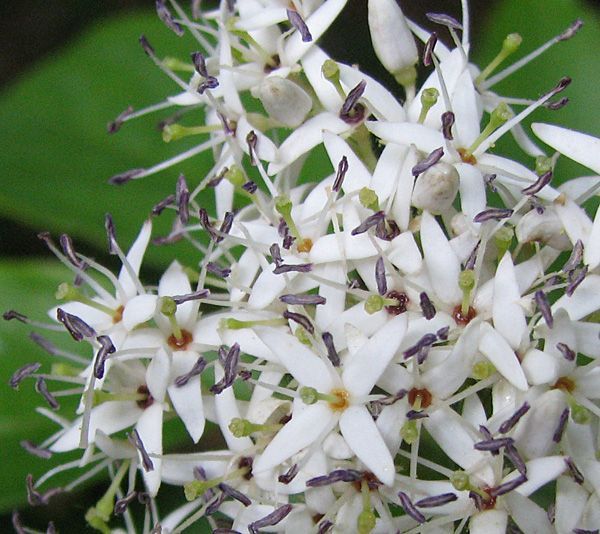
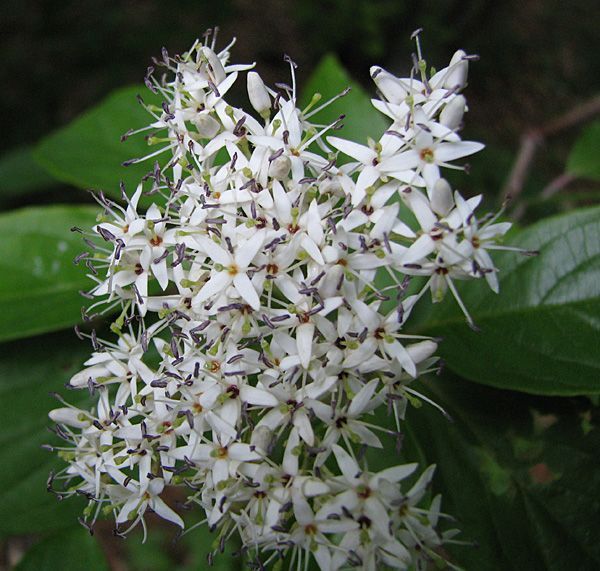
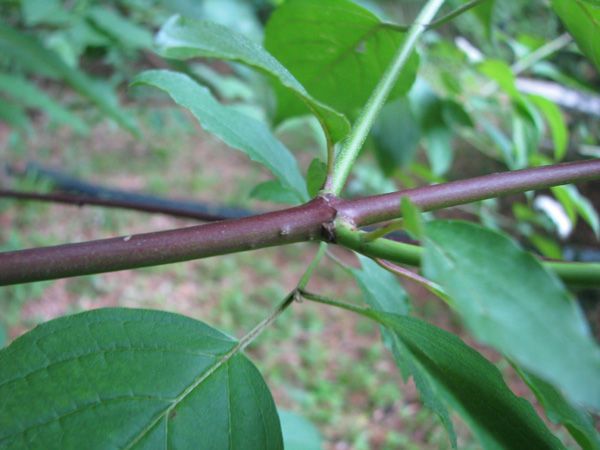
Photographs belong to the photographers who allow use for FNPS purposes only. Please contact the photographer for all other uses.
Nomenclature
Common Name:
silky dogwood, silky cornel
Synonym(s):
Genus species:
Cornus amomum
Family:
Cornaceae
Plant Specifics
Form:
shrub
Size:
to 10 ft
Life Span:
long-lived perennial
Flower Color:
white
Fruit Color:
Phenology:
deciduous
Noted For:
Landscaping
Recommended Uses:
Wet site hedge, wet site specimen plant especially if a clump is suitable. Rarely planted but considerable value especially in areas where most shrubs are bare during the winter.
Considerations:
Availability:
Propagation:
seed, softwood cuttings
Light:
Moisture Tolerance:
Always Flooded------------------------------------------------Extremely Dry
Stays wet ---to--- Usually moist, occasional inundation
Salt Water Flooding Tolerance:
Not salt tolerant of inundation by salty or brackish water
Salt Spray/Salty Soil Tolerance:
Low/no tolerance of salty wind or direct salt spray
Soil or Other Substrate:
Clay, Loam
Soil pH:
Suitable to Grow In:
8A, 8B

USDA zones are based on the average annual extreme minimum winter temperature.
Don't know your zone? Click here to search by zip code.
Ecology
Wildlife:
birds and small mammals consume the fruit
Larval host for cecropia silkmoth (Hyalophora cecropia) and spring azure butterfly (Celastrina ladon). Attracts long-tongued bees, short-tongued bees, wasps, flies, and butterflies.
Native Habitats:
Riverine swamps, natural levees along streams, lake margins. Typically in areas with shallow annual inundation, typically during the winter/early spring season.
Natural Range in Florida:
Visit the USF Libraries Atlas of Florida Plants
Comments:
Ethnobotany:
General Comments:
Has considerable winter interest as its bark is smooth and red.