
FNPS Plant Database
Crataegus flava
yellow haw
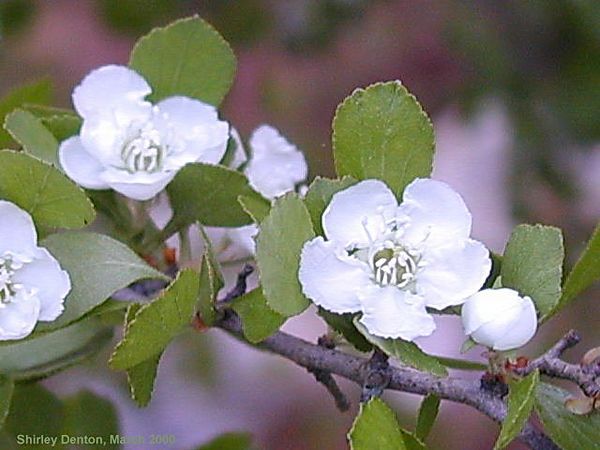
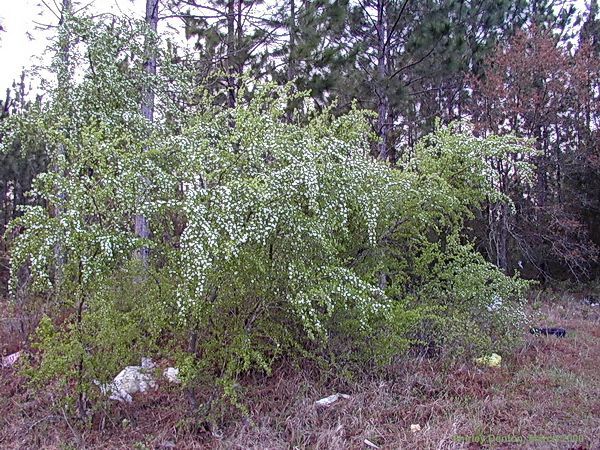
Photographs belong to the photographers who allow use for FNPS purposes only. Please contact the photographer for all other uses.
Nomenclature
Common Name:
yellow haw
Synonym(s):
Genus species:
Crataegus flava
Family:
Rosaceae
Plant Specifics
Form:
tree
Size:
3-20 ft tall by 2-8 ft wide
Life Span:
long-lived perennial
Flower Color:
white
Fruit Color:
red
Phenology:
deciduous
Noted For:
Landscaping
Recommended Uses:
Specimen plant, screen plantings, sometimes with unusual or weeping form.
Considerations:
thorns
Availability:
Propagation:
seed
Light:
Moisture Tolerance:
Always Flooded------------------------------------------------Extremely Dry
Not wet but not extremely dry ---to--- Very long very dry periods
Salt Water Flooding Tolerance:
Not salt tolerant of inundation by salty or brackish water
Salt Spray/Salty Soil Tolerance:
Low/no tolerance of salty wind or direct salt spray
Soil or Other Substrate:
Sand
Soil pH:
acidic but moderately adaptable
Suitable to Grow In:
8A, 8B, 9A

USDA zones are based on the average annual extreme minimum winter temperature.
Don't know your zone? Click here to search by zip code.
Ecology
Wildlife:
birds and other wildlife consume the fruit; used as browse by deer and rabbits
Larval food for hummingbird clearwing moth (Hemaris thysbe), striped hairstreak butterfly (Satyrium liparops), and blinded sphinx moth (Paonias excaecata). Attracts pollinators, especially important for native bees.
Native Habitats:
dry sites; open woods, mixed woods, sandy pinelands
Natural Range in Florida:
Visit the USF Libraries Atlas of Florida Plants
Comments:
Ethnobotany:
General Comments: