

FNPS Plant Database
Tridens flavus
Nomenclature
Common Name:
Synonym(s):
Genus species:
Family:
Poaceae
Plant Specifics
Form:
Size:
Life Span:
long-lived perennial
Flower Color:
Fruit Color:
Phenology:
Noted For:
Landscaping
Recommended Uses:
Considerations:
Availability:
Propagation:
Light:
Moisture Tolerance:
Somewhat moist, no flooding -to- Not wet but not extremely dry
Salt Water Flooding
Tolerance:
Not salt tolerant of inundation by salty or brackish water
Salt Spray/Salty Soil Tolerance:
Moderate. Tolerant of salty wind and may get some salt spray
Soil or Other Substrate:
Soil pH:
Suitable to Grow In:
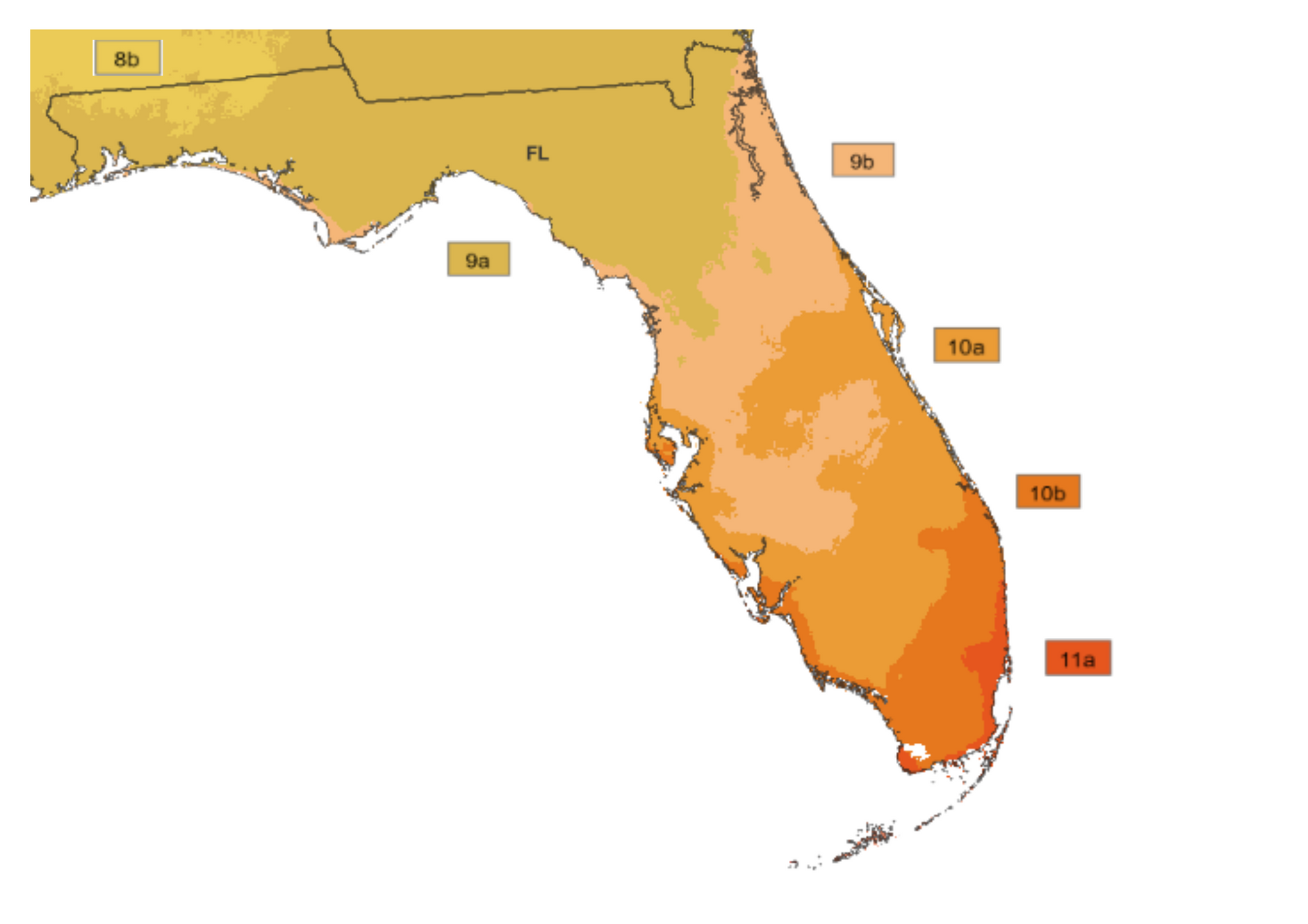
USDA zones are based on the average annual extreme minimum winter temperature.
Don't know your zone? Click here to search by zip code.
Vouchered In:
Ecology
Wildlife:
Butterflies, moths.
Turkey and quail eat the seed. Provides cover for small ground-dwelling animals.
Native Habitats:
Comments:
Ethnobotany:
General Comments:


Citations:
Apfelbaum, S, B. Baker, F. Faessler, and D. Mahler. (2005). Obtaining and processing seeds. [In] The tallgrass restoration handbook for prairies, savannas, and woodlands. Eds. S. Packard and C. Mutel, pgs. 99-126. Science and Practice of Ecological Restoration Series edition. Island Press, Washington, DC.
Barbour, Jill Ruby. (2007). Propagation protocol for production of Propagules (seeds, cuttings, poles, etc.) Tridens flavus seeds [In] Native Plant Network. ( https://npn.rngr.net/renderNPNProtocolDetails?selectedProtocolIds=poaceae-tridens-3126), Accessed 2026. US Department of Agriculture, Forest Service, National Center for Reforestation, Nurseries, and Genetic Resources.
Boggess, N. and B. Baker. (1983). Edaphic requirements and characteristics of purpletop. Agronomy Journal. (75): pgs.53-56. ( https://doi.org/10.2134/agronj1983.00021962007500010014x). Accessed 2026.
Grabowski, Janet. (2001). Propagation protocol for production of propagules (seeds, cuttings, poles, etc.) Tridens flavus (L.) A.S. Hitche. plants. ( https://npn.rngr.net/renderNPNProtocolDetails?selectedProtocolIds=poaceae-tridens-403). Accessed 2026. US Department of Agriculture, Forest Service, National Center for Reforestation, Nurseries, and Genetic Resources.
Harmond, J, J. Smith, and J. Park. (1961). Harvesting the seeds of grasses and legumes [In] The yearbook of agriculture 1961. Seeds. Pgs 181-188. United States Department of Agriculture. US Government Printing Office. Washington, DC.
Hilty, John. (2002-2018). Grasses, Sedges, Rushes, & Non-flowering Plants of Illinois: Purpletop, Tridens flavus cupreus. ( https://www.illinoiswildflowers.info/grasses/plants/purpletop.htm. Accessed 2026.
Lady Bird Johnson Wildflower Center. (2025). Plant Database: Tridens flavus (Purpletop tridens). ( https://www.wildflower.org/plants/result.php?id_plant=TRFL2). Accessed 2026. Lady Bird Johnson Wildflower Center, University of Texas at Austin, Austin, TX.
Linex, R. (2014). Range plants of north central Texas-a landuser’s guide to their identification, value, and management. Natural Resource Conservation Service, U.S. Dept. of Agriculture.
Loflin, B., and S. Loflin. (2012). Grasses of the Texas Hill Country: A Field Guide. Texas A&M University Press, College Station, TX.
Miller, J., and K. Miller. (2005). Forest Plants of the Southeast and their Wildlife Uses. Revised ed. University of Georgia Press, Athens, GA.
North Carolina State Extension. (Undated). North Carolina Extension Gardener Plant Toolbox. ( https://plants.ces.ncsu.edu/). North Carolina Agricultural & Technical University, Greensboro, NC.
Pfaff, S.L., and C. Maura, Jr. (1997). Developing Seed Sources of Florida Native Upland Grass Species. ( ). Accessed 2026. U.S. Dept. of Agriculture Natural Resource Conservation Service Brooksville Plant Materials Center, Brooksville, FL.
Pfaff, S, M. Gonter, and C. Maura. (2002). Florida Native Seed Production Manual. ( .) Accessed 2026. U.S. Dept. of Agriculture Natural Resource Conservation Service Brooksville Plant Materials Center. Brooksville, FL.
