

FNPS Plant Database
Abutilon hulseanum
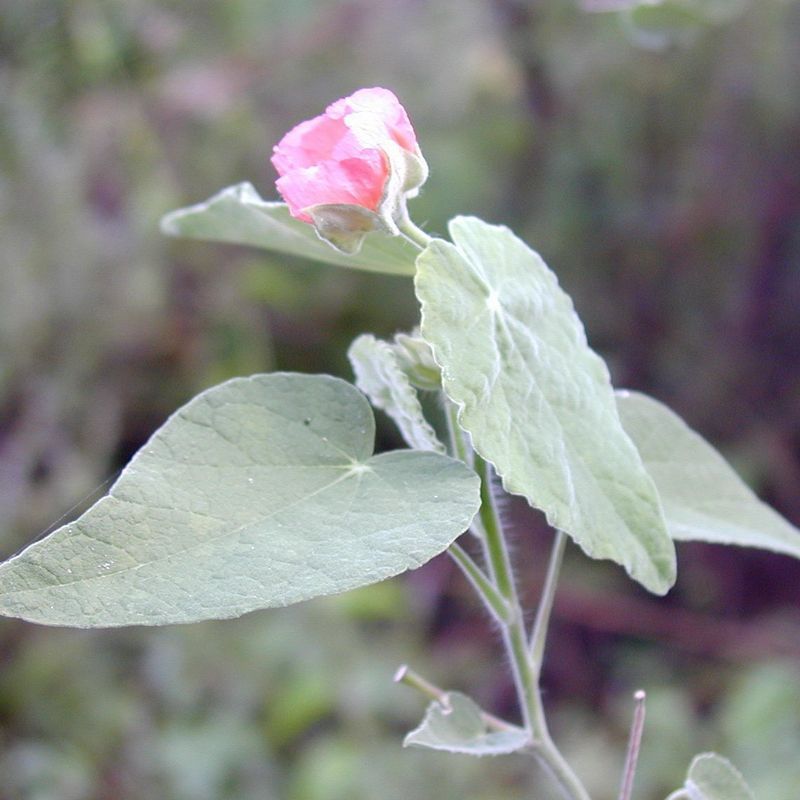
Photographs belong to the photographers who allow use for FNPS purposes only. Please contact the photographer for all other uses.
Nomenclature
Common Name:
Synonym(s):
Sida huselana
Genus species:
Abutilon hulseanum
Family:
Malvaceae
Plant Specifics
Form:
Size:
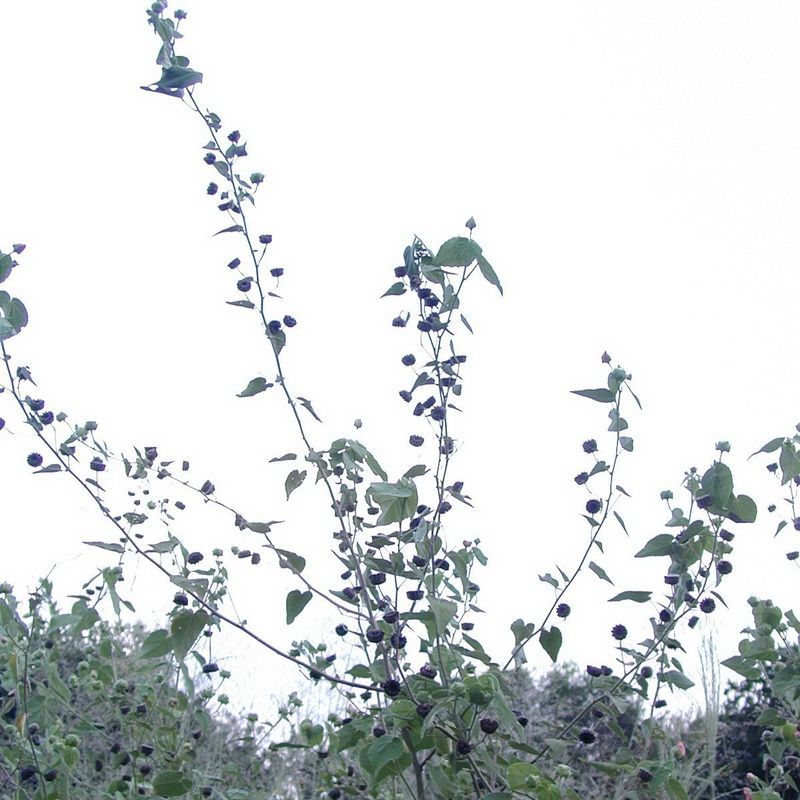
Up to about 7ft tall, rangy unless cut back periodically. Somewhat shrubby but not really woody.
Life Span:
Flower Color:
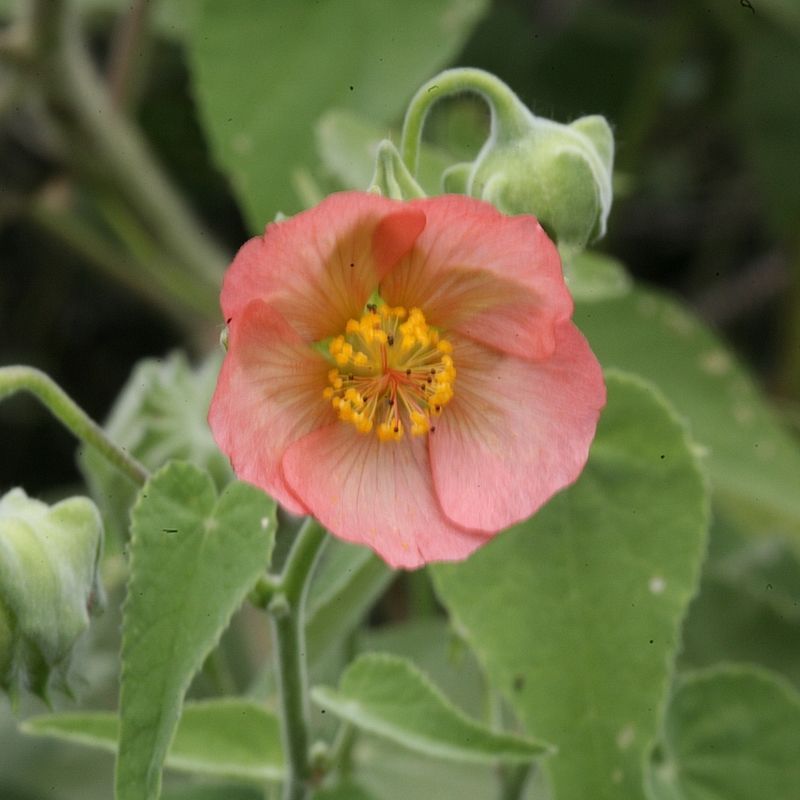
orange-y pink
Fruit Color:
Phenology:
Noted For:
Landscaping
Recommended Uses:
Considerations:
Availability:
Propagation:
Light:
Moisture Tolerance:
Always Flooded------------------------------------------------Extremely Dry
---|----|----|----|----|----|----|----
<----|----|----|-> --|-
Not wet but not extremely dry ---to--- Somewhat long very dry periods
Salt Water Flooding Tolerance:
Unknown
Salt Spray/Salty Soil Tolerance:
Some tolerance to salty wind but not direct salt spray.
Soil or Other Substrate:
Clay, Sand
Soil pH:
Suitable to Grow In:
9B, 9A, 11, 10B, 10A

USDA zones are based on the average annual extreme minimum winter temperature.
Don't know your zone? Click here to search by zip code.
Ecology
Wildlife:
Native Habitats:
Natural Range in Florida:
Visit the USF Libraries Atlas of Florida Plants
Comments:
Ethnobotany:
General Comments:



Citations:
Kew Plants of the World On Line. https://powo.science.kew.org/taxon/urn:lsid:ipni.org:names:60467477-2 , accessed 2025. Kew Royal Botanic Gardens, Richmond, England.
Gann GD, Abbott CJ, Stocking CG, Hines KN, and Collaborators. Natives For Your Neighborhood. https://www.regionalconservation.org/beta/nfyn/plantdetail.asp?tx=Abuthuls , accessed 2025. The Institute for Regional Conservation. Delray Beach, Florida.
SIEnet. https://swbiodiversity.org/. Has photographs of specimens from many herbaria.
Wunderlin, R. P., B. F. Hansen, A. R. Franck, and F. B. Essig. 2023. Atlas of Florida Plants ( https://florida.plantatlas.usf.edu/ ).

