
FNPS Plant Database
Agave decipiens
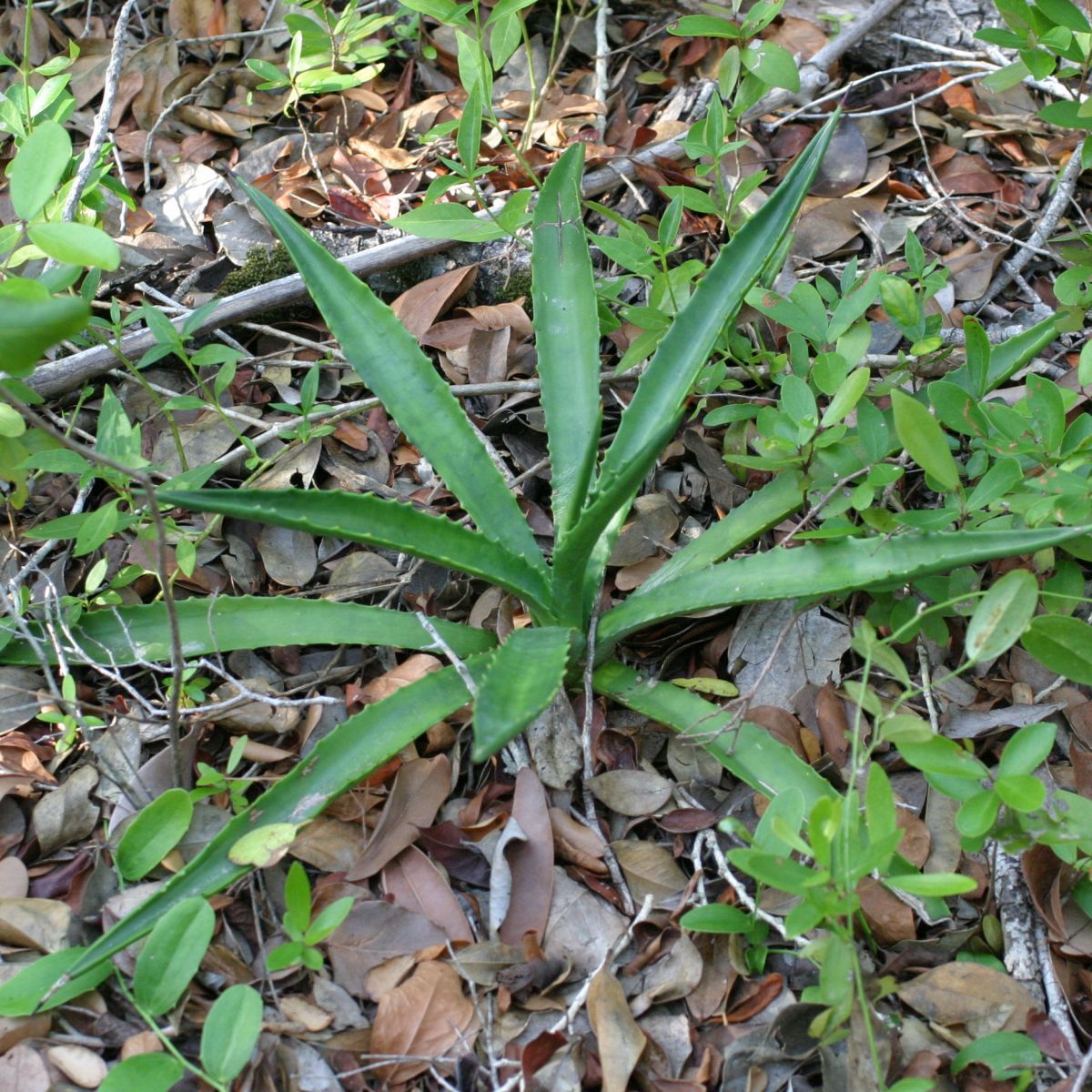
Photographs belong to the photographers who allow use for FNPS purposes only. Please contact the photographer for all other uses.
Nomenclature
Common Name:
Synonym(s):
Genus species:
Agave decipiens
Family:
Agavaceae
Plant Specifics
Form:
Size:
Life Span:
Flower Color:
Fruit Color:
Phenology:
Noted For:
Landscaping
Recommended Uses:
Considerations:
Sharp pointed leaves and sap that can be irritating to the skin. Only blooms once, after which the plant dies, but it may take a decade or more to bloom.
Availability:
Propagation:
Light:
Moisture Tolerance:
Always Flooded------------------------------------------------Extremely Dry
-|----|----|----|----|--|----|----
<----------->
Short very dry periods ---to--- Very long very dry periods
Salt Water Flooding Tolerance:
Tolerant of frequent or regular inundation (usually areas with tidal inundation)
Salt Spray/Salty Soil Tolerance:
High. Can tolerate significant and ongoing amounts of salty wind and salt spray without injury.
Soil or Other Substrate:
Sand
Soil pH:
calcareous
Suitable to Grow In:
9A, 9B, 10A, 10B

USDA zones are based on the average annual extreme minimum winter temperature.
Don't know your zone? Click here to search by zip code.
Ecology
Wildlife:
Larval host for Yucca Giant Skipper (Megathymus yuccae) and Cofaqui Giant Skipper (Megathymus cofaqui). Pollinated by moths.
Native Habitats:
Coastal hammocks, shell middens, dry coastal uplands
Natural Range in Florida:
Visit the USF Libraries Atlas of Florida Plants
Comments:
Ethnobotany:
General Comments:
Can be distinguished from non-native agave by its bare basal trunk. Endemic to southern peninsular Florida from the Florida Keys in Monroe County north along the coasts to Martin and Manatee counties.