FNPS Plant Database
Amelanchier arborea
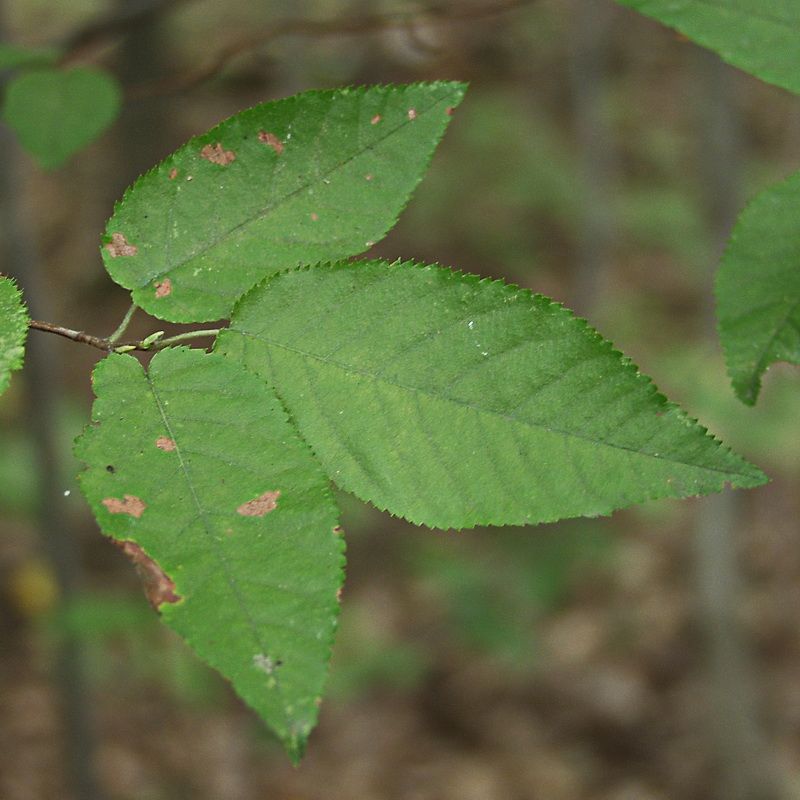
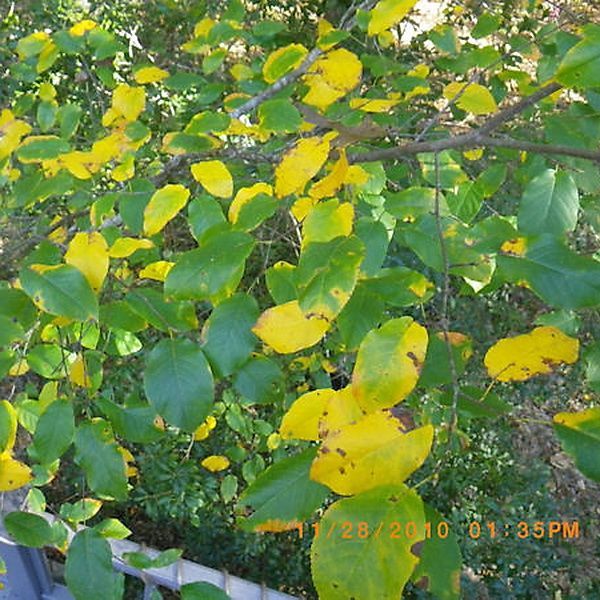
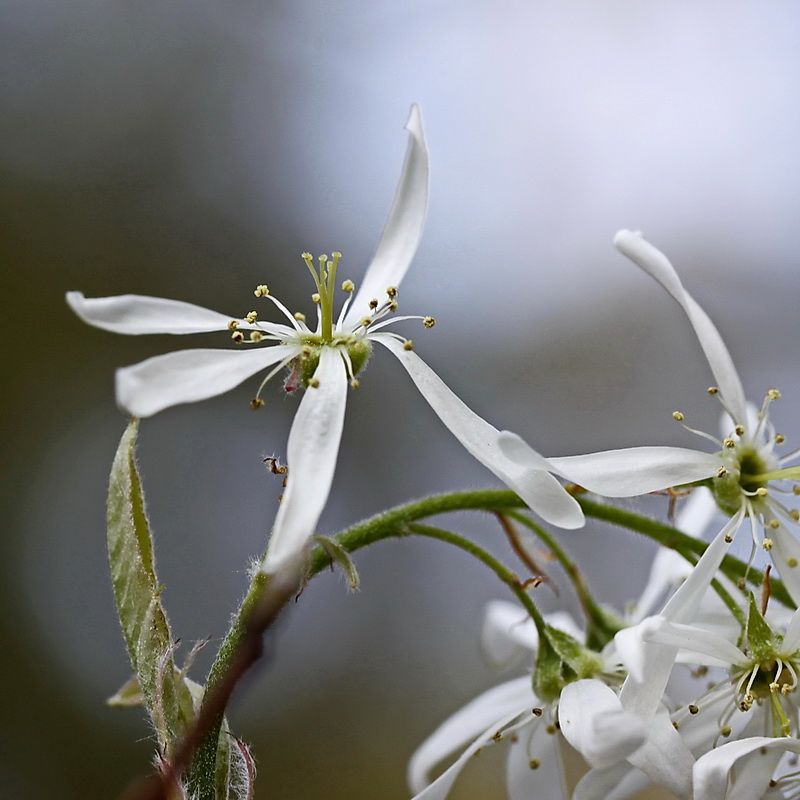
Photographs belong to the photographers who allow use for FNPS purposes only. Please contact the photographer for all other uses.
Nomenclature
Common Name:
Synonym(s):
Genus species:
Amelanchier arborea
Family:
Rosaceae
Plant Specifics
Form:
Size:
Life Span:
Flower Color:
Fruit Color:
Phenology:
Noted For:
Landscaping
Recommended Uses:
Considerations:
Availability:
Propagation:
Light:
Moisture Tolerance:
Always Flooded------------------------------------------------Extremely Dry
-|----|---|----|--
<---------------------> --|----
Usually moist, occasional inundation ---to--- Short very dry periods
Salt Water Flooding Tolerance:
Not salt tolerant of inundation by salty or brackish water
Salt Spray/Salty Soil Tolerance:
Low/no tolerance of salty wind or direct salt spray
Soil or Other Substrate:
Clay, Loam, Sand
Soil pH:
Suitable to Grow In:
8A, 8B

USDA zones are based on the average annual extreme minimum winter temperature.
Don't know your zone? Click here to search by zip code.
Ecology
Wildlife:
The nectar and pollen of the flowers attract native Andrenid bees (Andrena spp.), Halictid bees (Halictus spp., Lasioglossum spp.) and honeybees, as well as Syrphid flies, Tachinid flies, Buprestid beetles (Acmaeodera spp.), and other insects.
Native Habitats:
Natural Range in Florida:
Visit the USF Libraries Atlas of Florida Plants
Comments:
Ethnobotany:
General Comments: