

FNPS Plant Database
Amyris elemifera
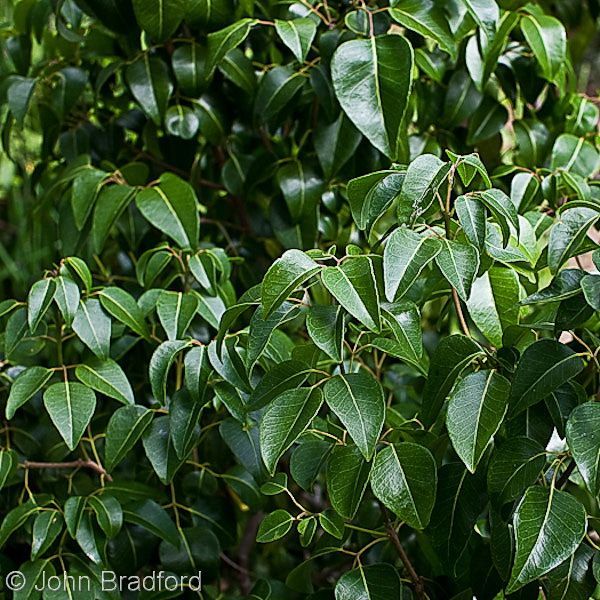
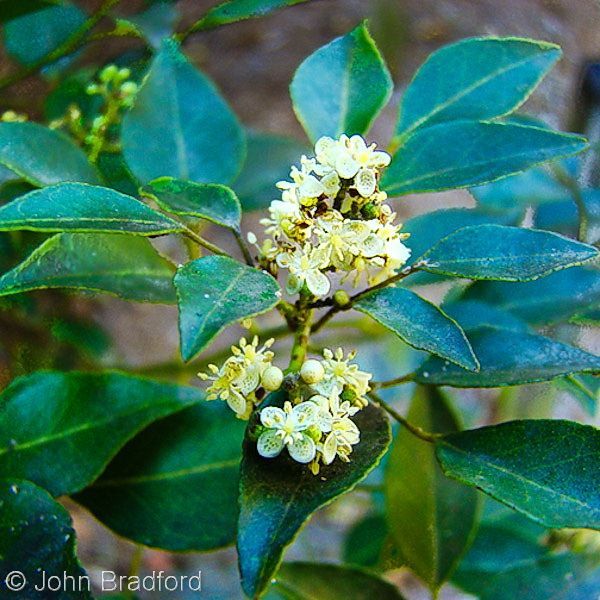
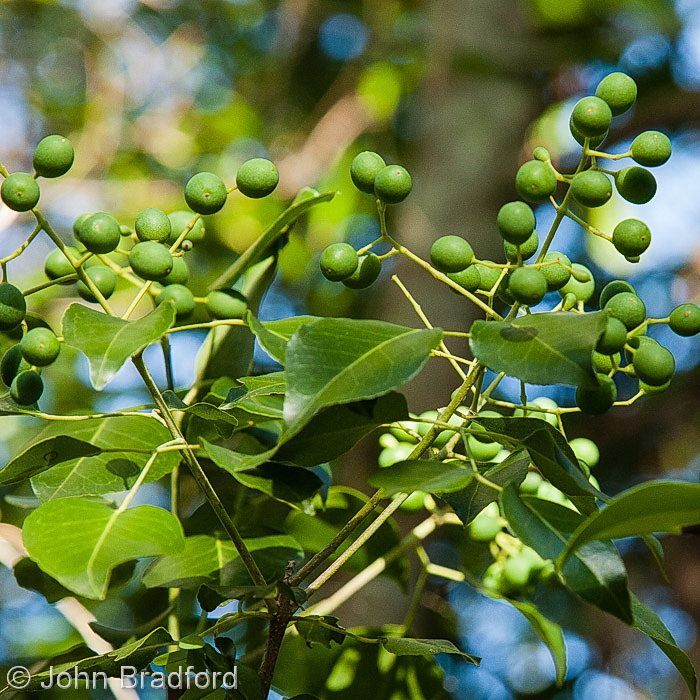
Photographs belong to the photographers who allow use for FNPS purposes only. Please contact the photographer for all other uses.
Nomenclature
Common Name:
Synonym(s):
Genus species:
Amyris elemifera
Family:
Rutaceae
Plant Specifics
Form:
Size:
Life Span:
Flower Color:
Fruit Color:
purple, black
Phenology:
Noted For:
Landscaping
Recommended Uses:
Considerations:
Availability:
Propagation:
Seed or separation of root suckers
Light:
Moisture Tolerance:
Always Flooded------------------------------------------------Extremely Dry
-|----|-------|----
<---------------------------------> --|-
Usually moist, occasional inundation ---to--- Very long, very dry periods
Salt Water Flooding Tolerance:
Tolerant of inundation with brackish water
Salt Spray/Salty Soil Tolerance:
Some tolerance to salty wind but not direct salt spray
Soil or Other Substrate:
Soil pH:
calcareous (7.5-8.5)
Suitable to Grow In:
9B, 10A, 10B, 11

USDA zones are based on the average annual extreme minimum winter temperature.
Don't know your zone? Click here to search by zip code.
Ecology
Wildlife:
Larval host plant for Bahamian swallowtail (Heraclides andraemon), giant swallowtail (Papilio cresphontes) and Schaus' swallowtail (Heraclides aristodemus) butterflies.
Native Habitats:
Natural Range in Florida:
Visit the USF Libraries Atlas of Florida Plants
Comments:
Ethnobotany:
Oil-laden wood was used for fuel, torches. The wood has also been used for posts and furniture, as it is resistant to dry termite rot. The black, round, cherry-like drupe is covered by a bluish, waxy bloom. The flesh is thin, fragrant and ediblek but the seeds are not and should be discarded.
General Comments:
Fragrant



Citations:
Gann, G.D., C.J. Abbott, C.G. Stocking, K.N. Hines, and collaborators. Natives For Your Neighborhood. (https://www.regionalconservation.org/beta/nfyn/plantdetail.asp?tx=Amyrelem), accessed 2025. Institute for Regional Conservation, Delray Beach, FL.
Haehle, Robert G. and Joan Brookwell. 1999. Native Florida Plants. Gulf Publishing Company. Houston, TX.
Jordan, Deane. Eat the Weeds and Other Things Too. Accessed 2025. https://www.eattheweeds.com/torchwood/ (ethnobotanical uses)
Minno, Marc and Maria Minno. 1999. Florida Butterfly Gardening: A Complete Guide to Attracting, Identifying, and Enjoying Butterflies. University Press of Florida, Gainesville.
Osorio, Rufino. 2001. A Gardener's Guide to Florida's Native Plants. University Press of Florida, Gainesville.
Wunderlin, R. P., B. F. Hansen, A. R. Franck, and F. B. Essig. 2021. Atlas of Florida Plants ( https://florida.plantatlas.usf.edu/ ). Institute for Systematic Botany, University of South Florida, Tampa.

