
FNPS Plant Database
Andropogon glomeratus
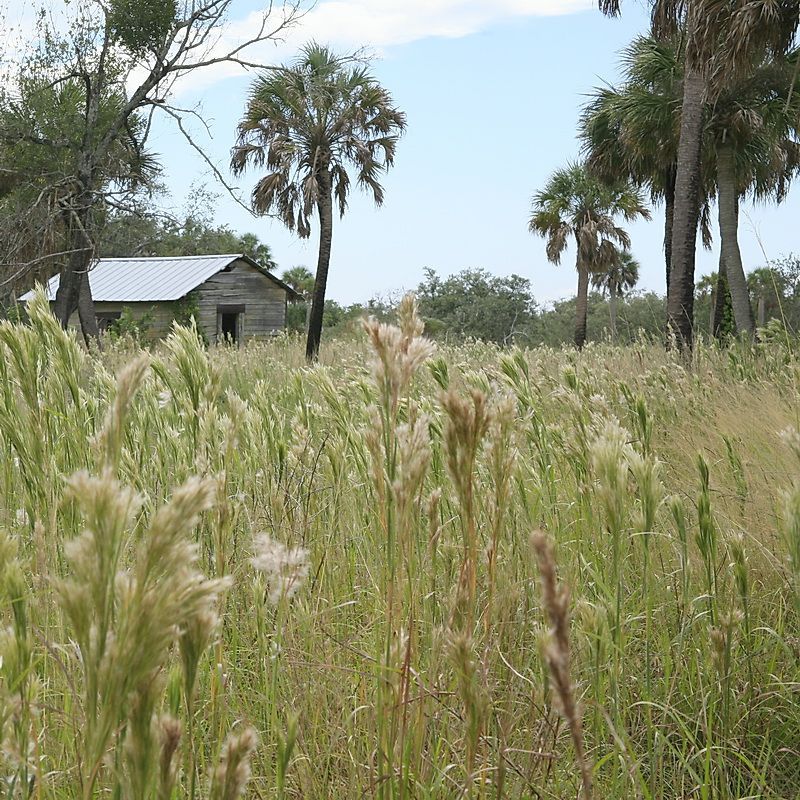
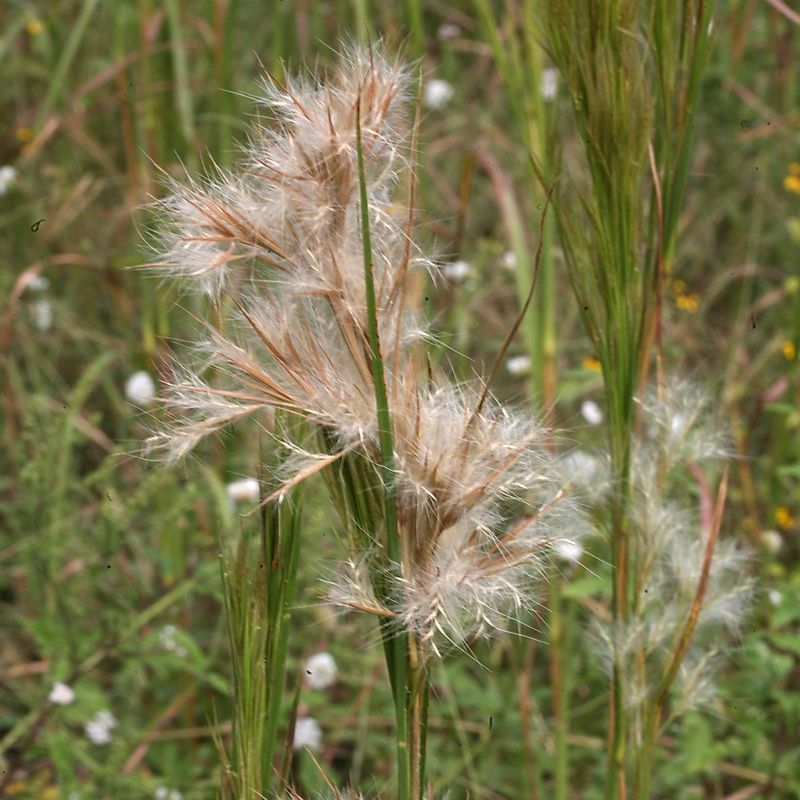
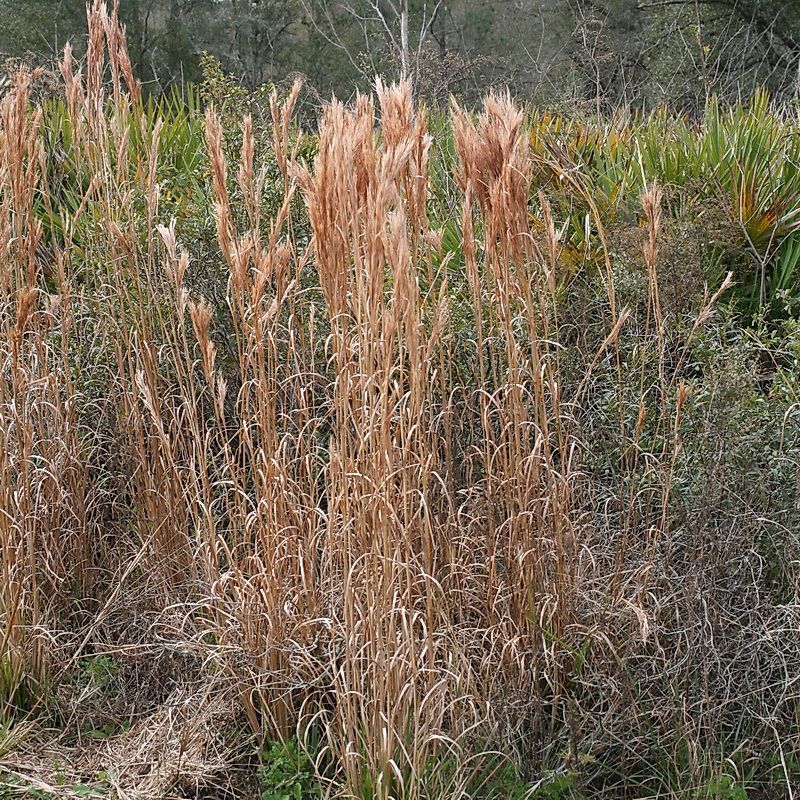
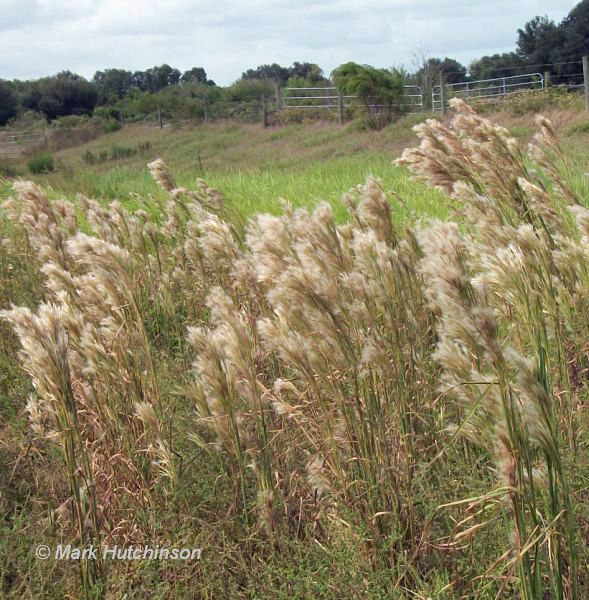
Photographs belong to the photographers who allow use for FNPS purposes only. Please contact the photographer for all other uses.
Nomenclature
Common Name:
Synonym(s):
Andropogon glomeratus var. glomeratus, Andropogon glomeratus var. hirsuitior, Andropogon glomeratus var. pumilus, Andropogon glomeratus var. glaucopsis, Andropogon glaucopsis
Genus species:
Andropogon glomeratus
Family:
Poaceae (Gramineae)
Plant Specifics
Form:
Size:
Life Span:
Flower Color:
Fruit Color:
silvery green, turning orange
Phenology:
Noted For:
Landscaping
Recommended Uses:
Considerations:
Availability:
Propagation:
Light:
Moisture Tolerance:
Always Flooded------------------------------------------------Extremely Dry
-|---|-----
<-------------------------> |----|----|----|----|-
Stays Wet ---to--- Not wet but not extremely dry
Salt Water Flooding Tolerance:
Not salt tolerant of inundation by salty or brackish water
Salt Spray/Salty Soil Tolerance:
Low/no tolerance of salty wind or direct salt spray
Soil or Other Substrate:
Loam, Organic (muck), Sand
Soil pH:
Suitable to Grow In:
8A, 8B, 9A, 9B, 10A, 10B, 11A, 11B

USDA zones are based on the average annual extreme minimum winter temperature.
Don't know your zone? Click here to search by zip code.
Ecology
Wildlife:
Seeds eaten by various small birds and other wildlife
Possible larval host plant for Delaware skipper (Anatrytone logan), Georgia satyr (Neonympha areolata), neamathla skipper (Nastra neamathla), swarthy skipper (Nastra lherminier) and twin-spot skipper (Oligoria maculata) butterflies.
Native Habitats:
Natural Range in Florida:
Visit the USF Libraries Atlas of Florida Plants
Comments:
Ethnobotany:
General Comments:
There are several different subspecies of A. glomeratus with different affinities for upland and wetland conditions.
- A. glomeratus var. glaucopsis is notable as it has a blue-purple coloration and is almost always found in wetlands. It is sometimes considered to be a separate species
- A. glomeratus var. pumilus has the widest distribution in Florida and based on the relative numbers of herbarium specimens, likely the most common.
- A. glomeratus var. hirsuitior is widespread but probably less common than A. glomeratus var. pumilis.
- A. glomeratus var. glomeratus has no documented herbarium specimens in the southern half of the peninsula.
Uses of the latter 3 varieties should be similar as their habitats are similar.



Citations:
Huegel, Craig N. 2012. Native Wildflowers and Other Ground Covers for Florida Landscapes. University Press of Florida, Gainesville.
Taylor, Walter K. 2009. A Guide to Florida Grasses. University Press of Florida, Gainesville.
Wunderlin, R. P., B. F. Hansen, A. R. Franck, and F. B. Essig. 2021. Atlas of Florida Plants ( https://florida.plantatlas.usf.edu/ ). Institute for Systematic Botany, University of South Florida, Tampa.

