
FNPS Plant Database
Annona glabra
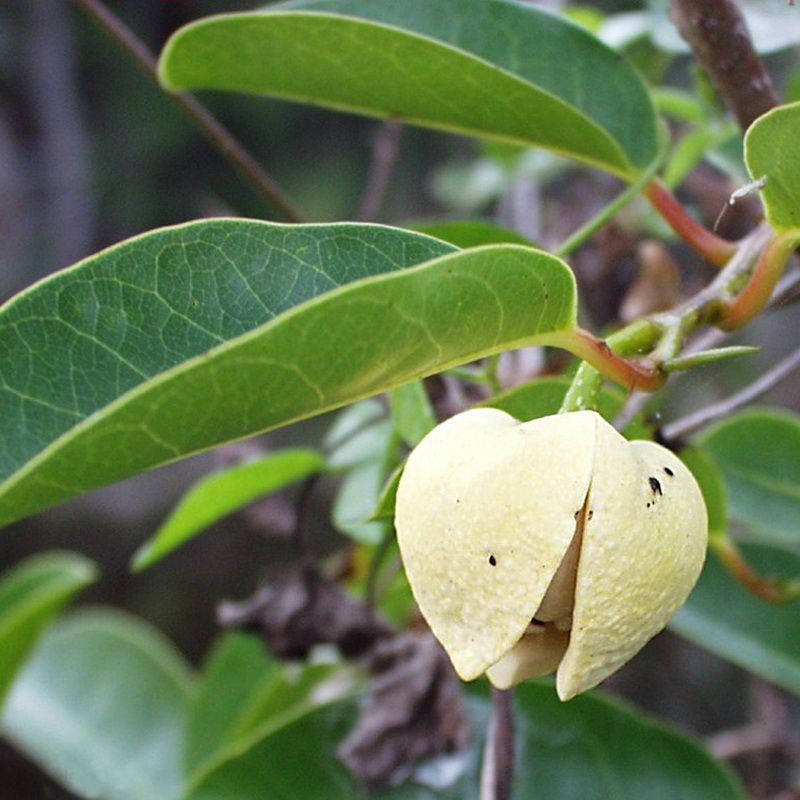
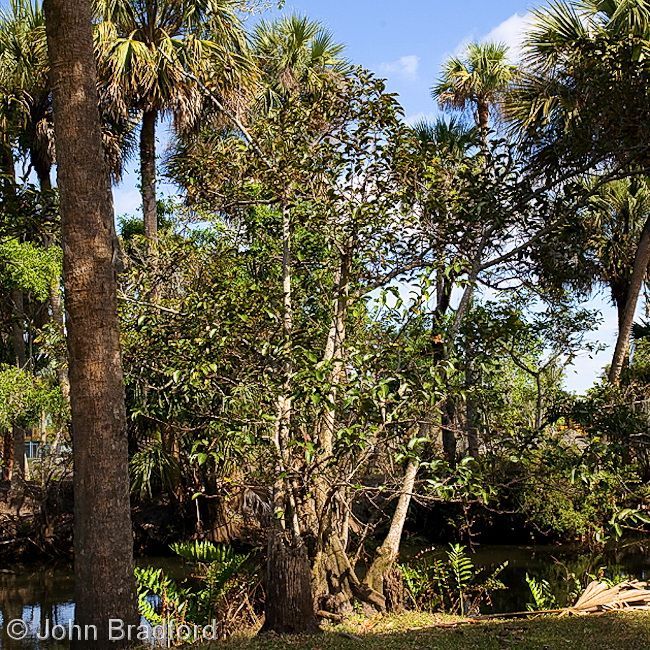
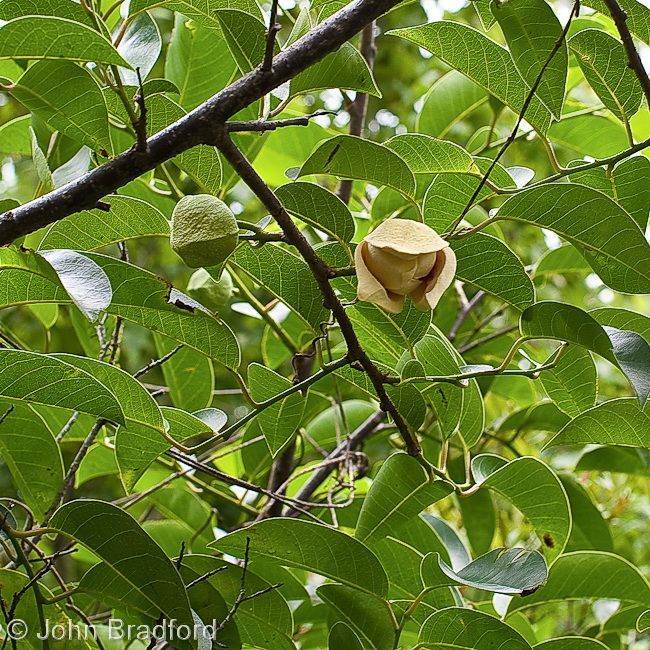
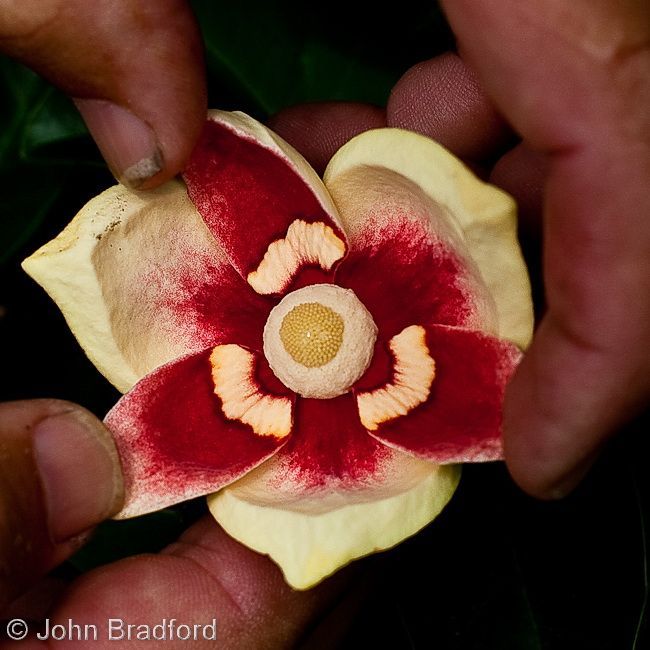
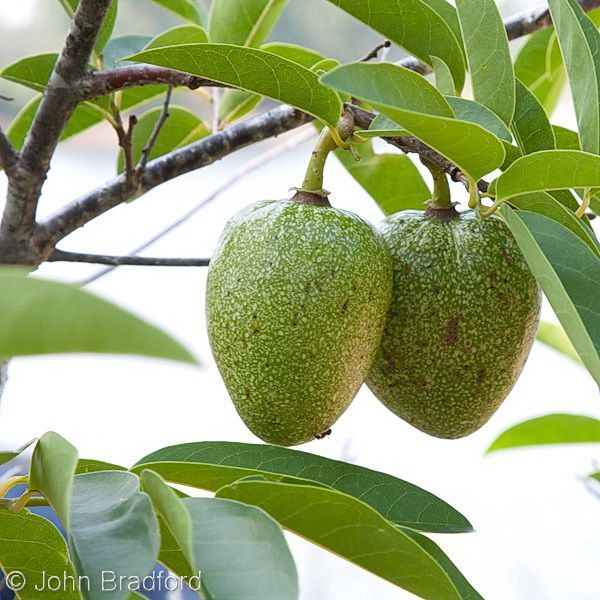
Photographs belong to the photographers who allow use for FNPS purposes only. Please contact the photographer for all other uses.
Nomenclature
Common Name:
Synonym(s):
Genus species:
Annona glabra
Family:
Annonaceae
Plant Specifics
Form:
Size:
Life Span:
Flower Color:
white, yellow
Fruit Color:
Phenology:
Noted For:
Landscaping
Recommended Uses:
Considerations:
Availability:
Propagation:
Seed, grafting
Light:
Moisture Tolerance:
Always Flooded------------------------------------------------Extremely Dry
<--------------------> ----|----|----|----|----|----|---
Aquatic ---to--- Usually moist, occasional inundation
Salt Water Flooding Tolerance:
Tolerant of frequent or regular inundation (usually areas with tidal inundation)
Salt Spray/Salty Soil Tolerance:
High; can tolerate significant and ongoing amounts of salty wind and salt spray without injury
Soil or Other Substrate:
Loam, Organic (muck), Sand
Soil pH:
Neutral to somewhat calcareous (7 to 8)
Suitable to Grow In:
10A, 10B, 11

USDA zones are based on the average annual extreme minimum winter temperature.
Don't know your zone? Click here to search by zip code.
Ecology
Wildlife:
Bird nesting area and food source. Fruit used by mammals such as raccoons and opossums.
Larval food source for Giant sphinx (Cocytius antaeus). Pollinated by beetles.
Native Habitats:
Natural Range in Florida:
Visit the USF Libraries Atlas of Florida Plants
Comments:
Ethnobotany:
General Comments:



Citations:
Gann, G.D., C.J. Abbott, C.G. Stocking, K.N. Hines, and collaborators. Natives For Your Neighborhood.( https://www.regionalconservation.org/beta/nfyn/plantdetail.asp?tx=Annoglab ), accessed 2025. Institute for Regional Conservation, Delray Beach, FL.
Haehle, Robert G. and Joan Brookwell. 1999. Native Florida Plants. Gulf Publishing Company. Houston, TX.
Nelson, Gil. 2003. Florida's Best Landscape Plants: 200 Readily Available Species for Homeowners and Professionals. University Press of Florida, Gainesville.
Osorio, Rufino. 2001. A Gardener's Guide to Florida's Native plants. University Press of Florida, Gainesville.
Workman, Richard W. 1980. Growing Native: Native Plants for Landscape Use in Coastal South Florida. Sanibel-Captiva Conservation Foundation, Inc.: Sanibel, FL.
Wunderlin, R. P., B. F. Hansen, A. R. Franck, and F. B. Essig. 2021. Atlas of Florida Plants ( https://florida.plantatlas.usf.edu/ ). Institute for Systematic Botany, University of South Florida, Tampa.

