FNPS Plant Database
Ardisia escallonioides
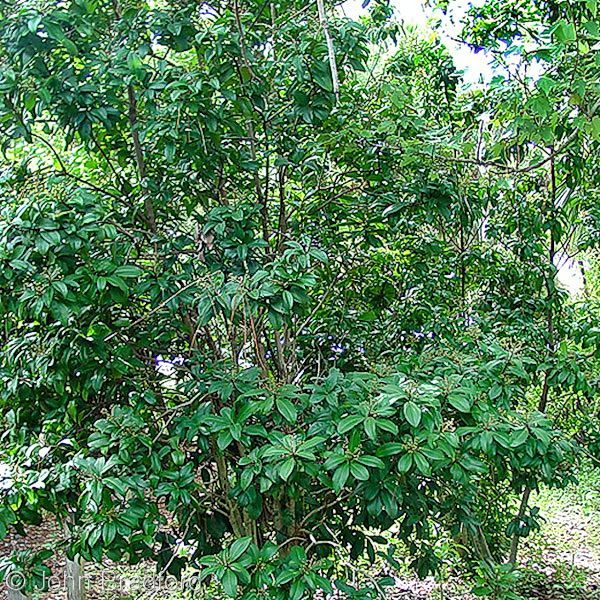
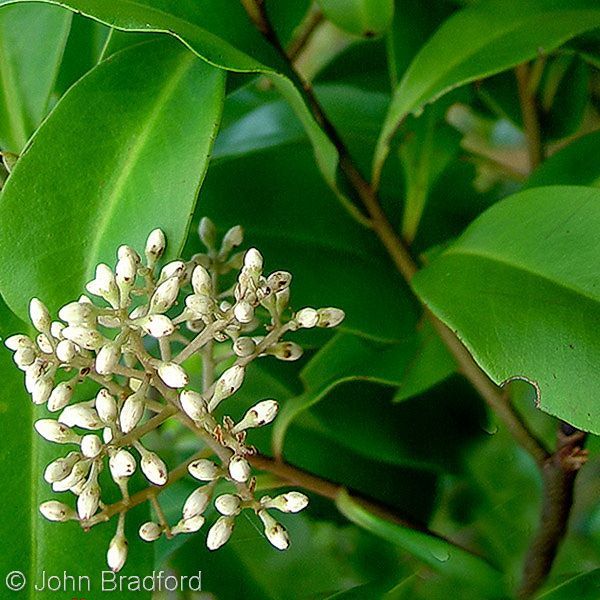
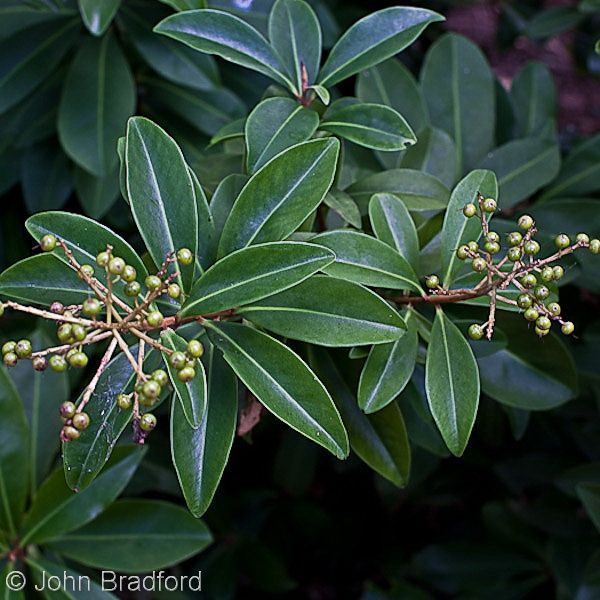
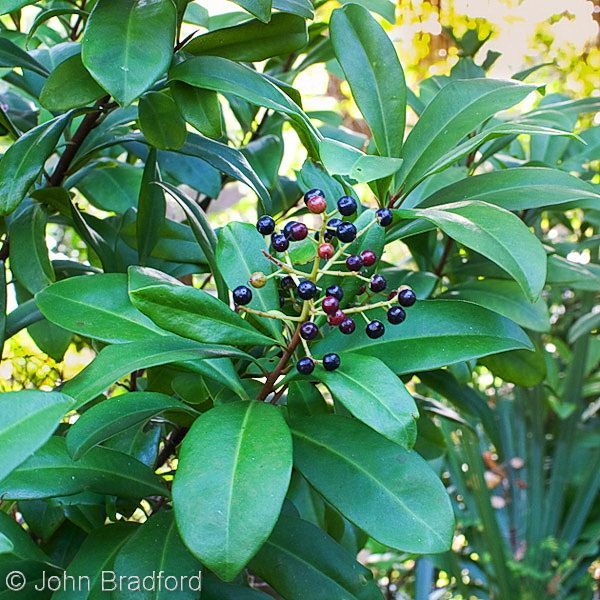
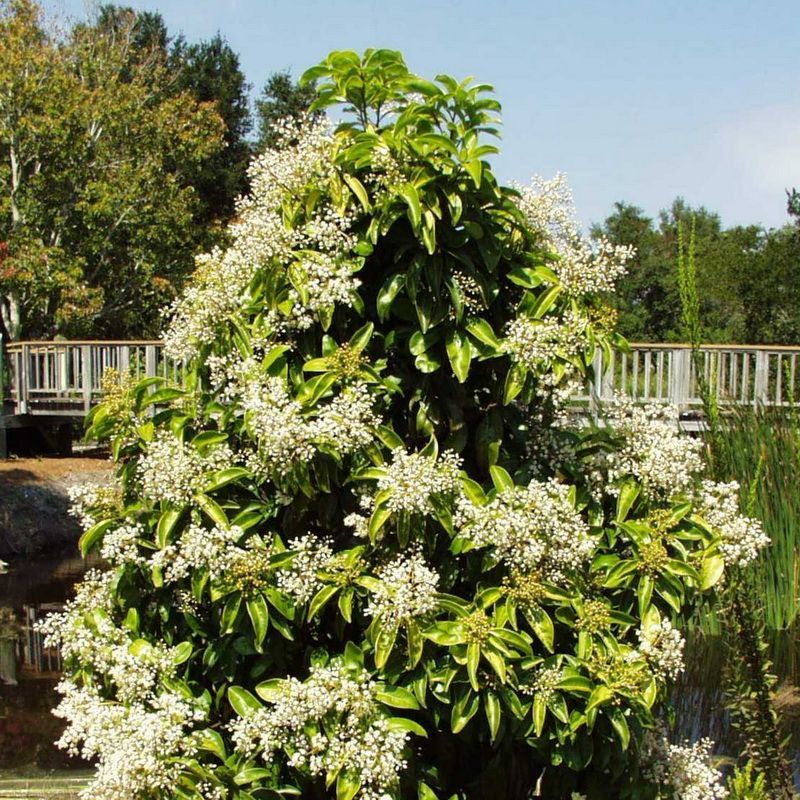
Photographs belong to the photographers who allow use for FNPS purposes only. Please contact the photographer for all other uses.
Nomenclature
Common Name:
Synonym(s):
Genus species:
Ardisia escallonioides
Family:
Myrsinaceae
Plant Specifics
Form:
shrub or small tree
Size:
Life Span:
Flower Color:
Fruit Color:
Phenology:
Noted For:
Landscaping
Recommended Uses:
Specimen plant or hedge, or understory tree
Considerations:
Weak wood
Availability:
Propagation:
Light:
Moisture Tolerance:
Always Flooded------------------------------------------------Extremely Dry
-|----|--|----|----|----
<--------------------------> ----
Usually moist, occasional inundation ---to--- Somewhat long very dry periods
Salt Water Flooding Tolerance:
Not salt tolerant of inundation by salty or brackish water.
Salt Spray/Salty Soil Tolerance:
Moderate. Tolerant of salty wind and may get some salt spray. Exposure to salt spray would be uncommon (major storms).
Soil or Other Substrate:
Sand
Soil pH:
circum-neutral to somewhat alkaline (6.5-8.5)
Suitable to Grow In:
9A, 9B, 10A ,10B, 11

USDA zones are based on the average annual extreme minimum winter temperature.
Don't know your zone? Click here to search by zip code.
Ecology
Wildlife:
Native Habitats:
Natural Range in Florida:
Visit the USF Libraries Atlas of Florida Plants
Comments:
Ethnobotany:
General Comments:
Don't confuse this native with the two highly invasive ardisias: coral ardisia (A. crentata) and shoebutton ardisia (A. elliptica). While it will grow in full shade, it will have more flowers and fruit in part sun to full sun.



Citations:
Gann, G.D., C.J. Abbott, C.G. Stocking, K.N. Hines, and collaborators. Natives For Your Neighborhood. https://www.regionalconservation.org/beta/nfyn/plantdetail.asp?tx=Ardiesca, accessed 2025. Institute for Regional Conservation, Delray Beach, FL.
Haehle, Robert G. and Joan Brookwell. 1999. Native Florida Plants. Gulf Publishing Company. Houston, TX.
Nelson, Gil. 2003. Florida's Best Landscape Plants: 200 Readily Available Species for Homeowners and Professionals. University Press of Florida, Gainesville.
Osorio, Rufino. 2001. A Gardener's Guide to Florida's Native Plants. University Press of Florida, Gainesville.
Pascarella, J. (1997). Pollination Ecology of Ardisia escallonioides (Myrsinaceae). Castanea, 62(1), 1-7. Retrieved Nov. 6, 2025, from https://www.jstor.org/stable/4034097
Workman, Richard W. 1980. Growing Native: Native Plants for Landscape Use in Coastal South Florida. Sanibel-Captiva Conservation Foundation, Inc.: Sanibel, FL.
Wunderlin, R. P., B. F. Hansen, A. R. Franck, and F. B. Essig. 2021. Atlas of Florida Plants ( https://florida.plantatlas.usf.edu/ ). Institute for Systematic Botany, University of South Florida, Tampa.