Perfiles de plantas destacados de FNPS

Longspurred Balm
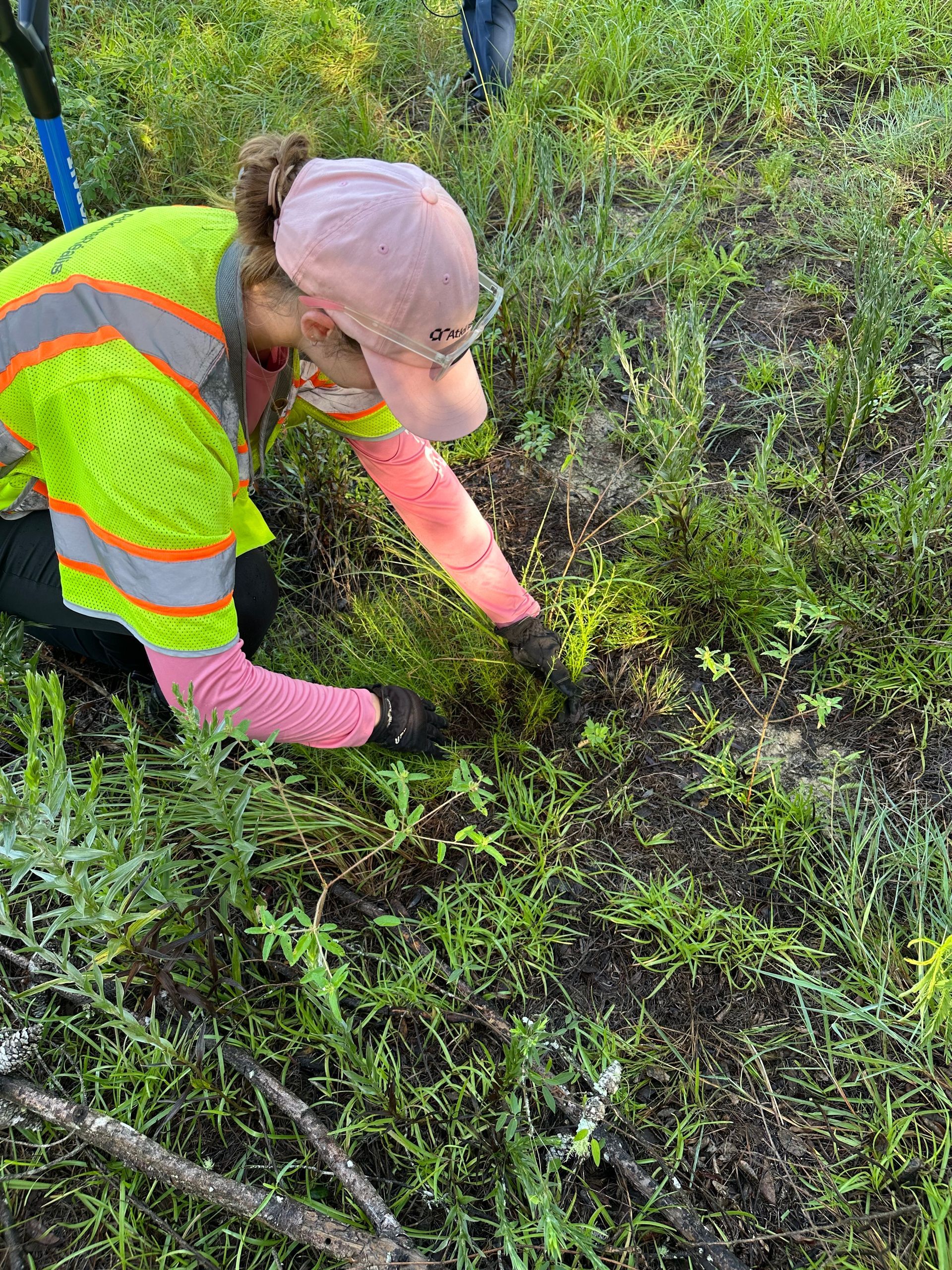
  • Dicerandra cornutissima

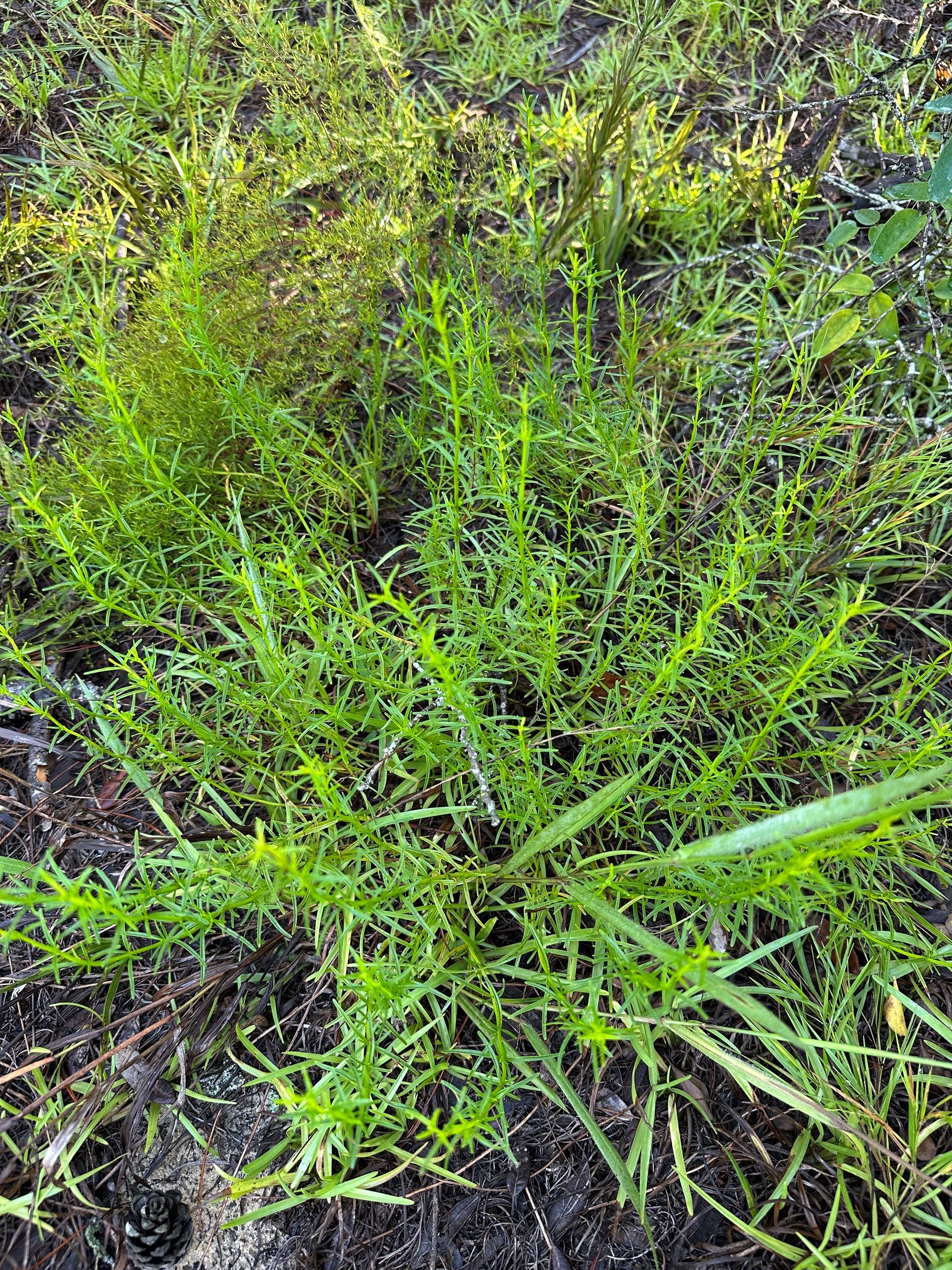
    2025 Plant Rescue, Photo by Melissa Fernandez-de Cespedes, Paynes Prairie

  • Dicerandra cornutissima

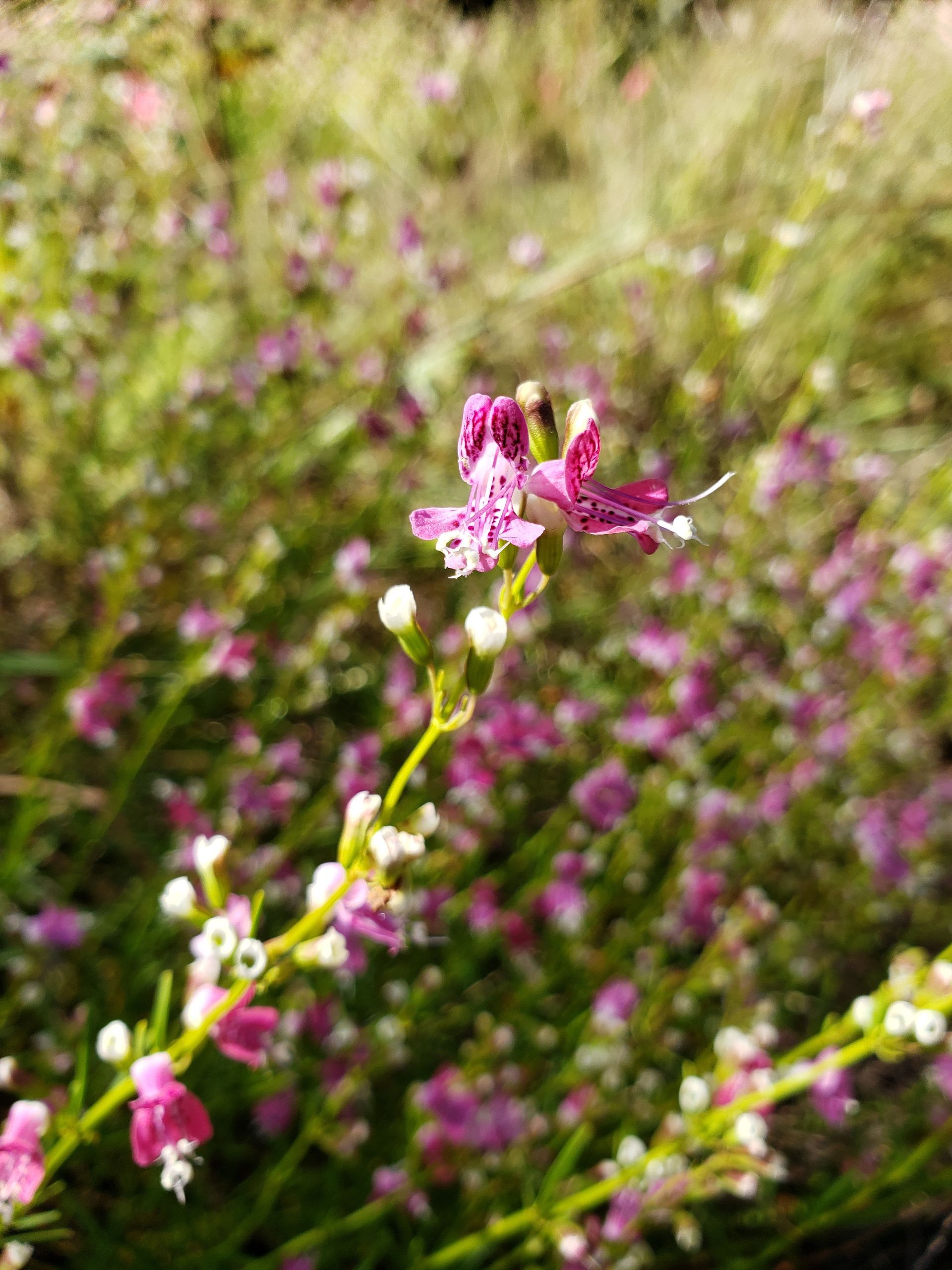
    2025 Plant Rescue, Photo by Melissa Fernandez-de Cespedes, Paynes Prairie

  • Photo by Valerie Anderson, Pine Lily Chapter

  • Photo by Juliet Rynear, FNPS

  • Photo by Valerie Anderson, Pine Lily Chapter

Las fotografías pertenecen a los fotógrafos que permiten su uso únicamente para fines de FNPS.

Nomenclatura

Nombre común:

Longspurred Balm

Especie del género:

Dicerandra cornutissima

Familia:

Lamiaceae

Información

Descripción:

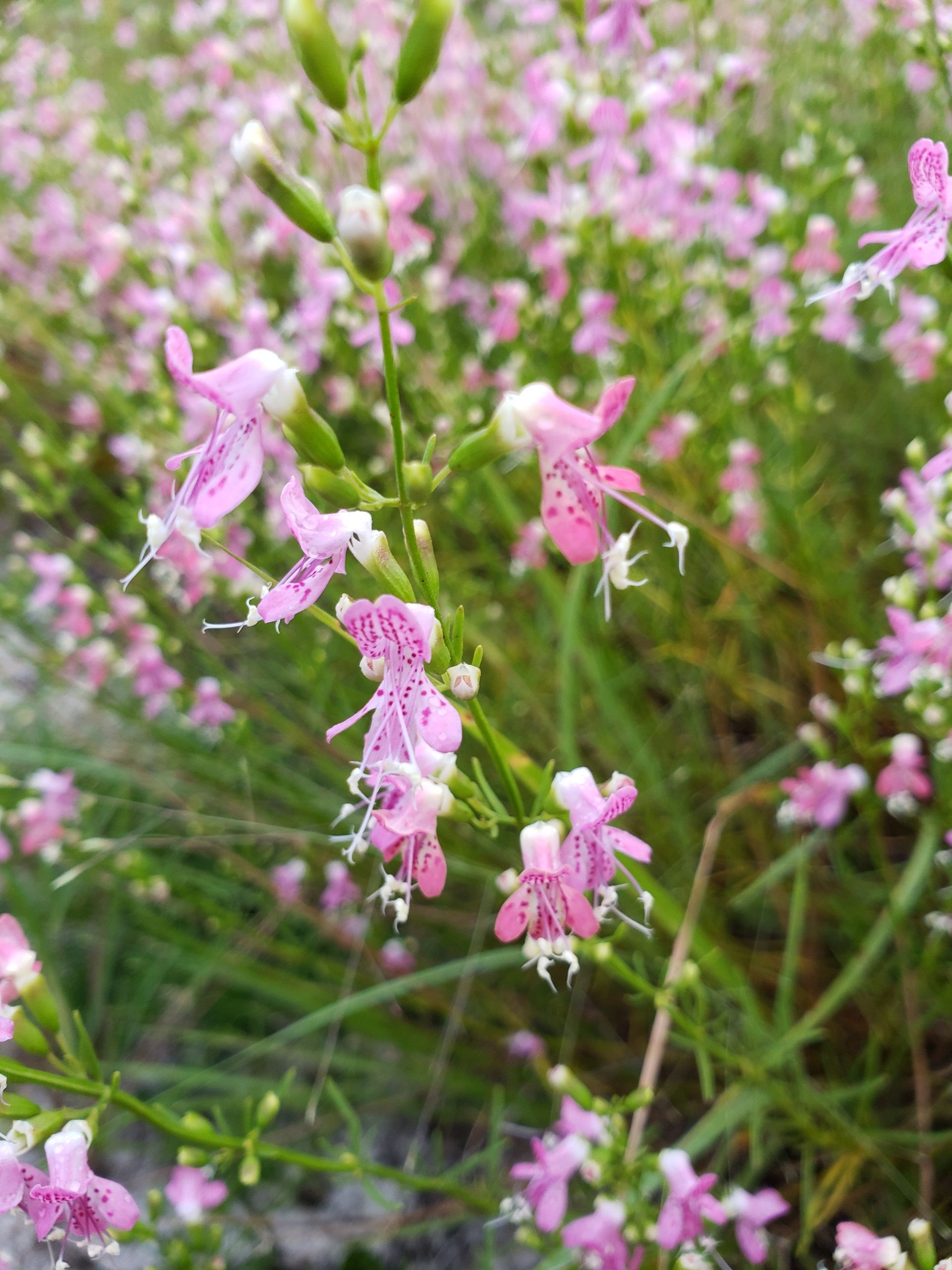
A bushy perennial forming mounds up to 18" tall, with herbaceous branches emerging from a woody base. The thin, needle-like leaves have a strong minty scent, similar to peppermint. Flowering stalks are topped with cymes sporting single or clusters of nodding, downturned flowers due to a sharp bend in the corolla tube. Corollas are bright, rosy pink, sprinkled with dark, rosy-red to burgundy freckles. The common name refers to the prominent, elongated spur on the white anthers.

Hábitat:

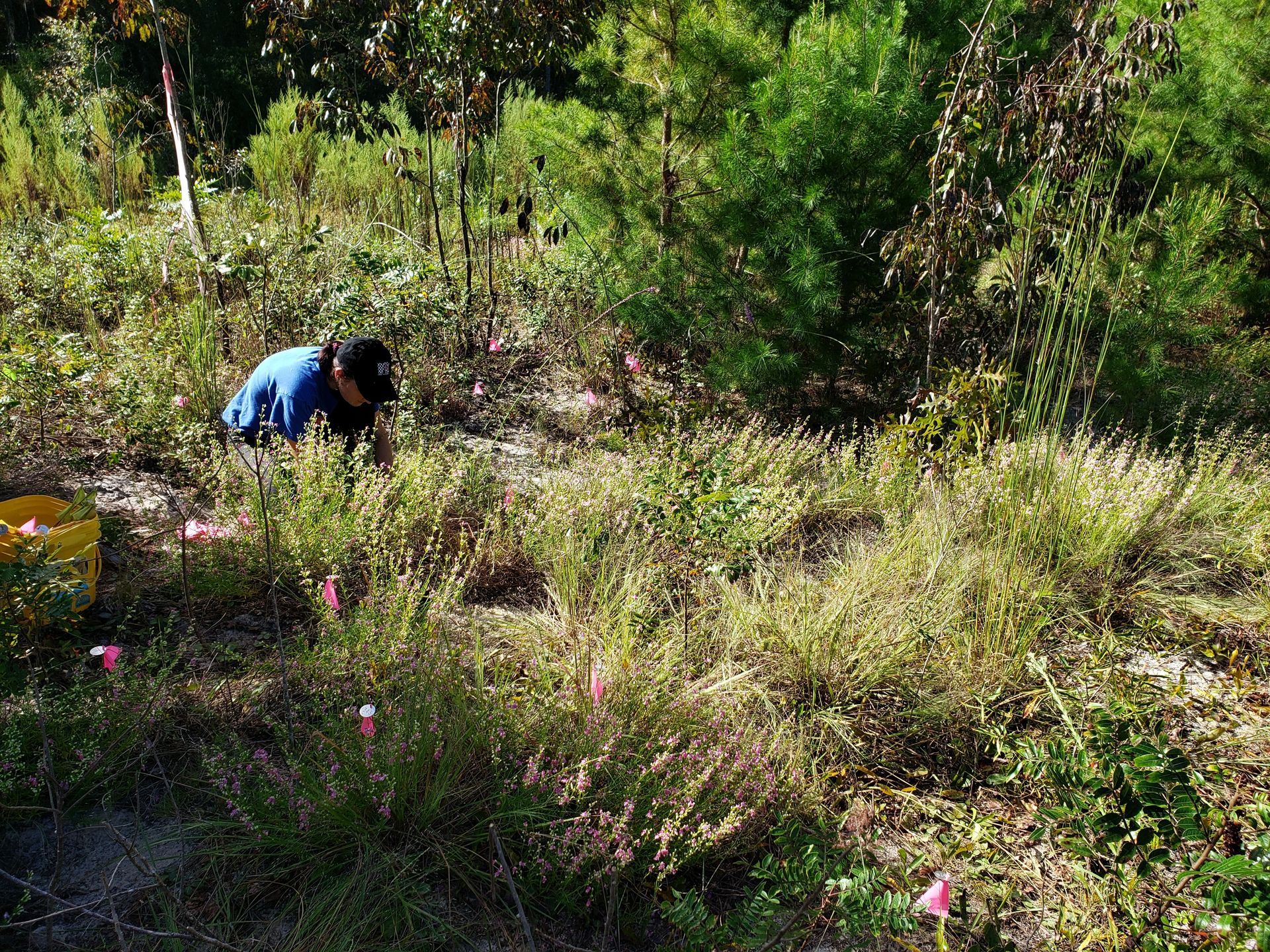
Endemic to scrub habitat in Marion and Sumter Counties, where it occurs in sunny openings with exposed sand, although it is now considered extirpated from Sumter County. Some of the remaining Marion County populations occur on protected conservation lands, but are still threatened by fire suppression and invasive species. Fragmented populations occur in Marion County on private lands and are threatened by invasive species, development, pesticide use, and other disturbances.

Conservación

Problema de conservación:

Fire suppression, inadequate land management, development, and invasive species.

Objetivos de conservación:

1) Restoring the habitat of this species within the Marjorie Harris Carr Cross Florida Greenway by invasive species removal and planting native species.

2) Collect annual demographic data of the species to inform land managers of the best management practices for this species.

3) Build relationships with land managers, providing guidance and resources for best land management practices to protect Dicerandra cornutissima on their property - including invasive plant identification and management.

4) Provide scientifically accurate education on the status and plight of Dicerandra cornutissima via social media, presentations, and field trips, including the annual Dicerandra Day.

¿Te gustaría ayudar a salvar las plantas en peligro de extinción de Florida? Avísanos y nos pondremos en contacto contigo cuando surja la oportunidad. Este trabajo implica estar al aire libre y posiblemente explorar terrenos difíciles. Nuestro personal estará encantado de ofrecerte capacitación y formación para prepararte para tu día de campo.

Sea voluntario con nosotros