


Perfiles de plantas destacados de FNPS
Blushing Scrub Balm
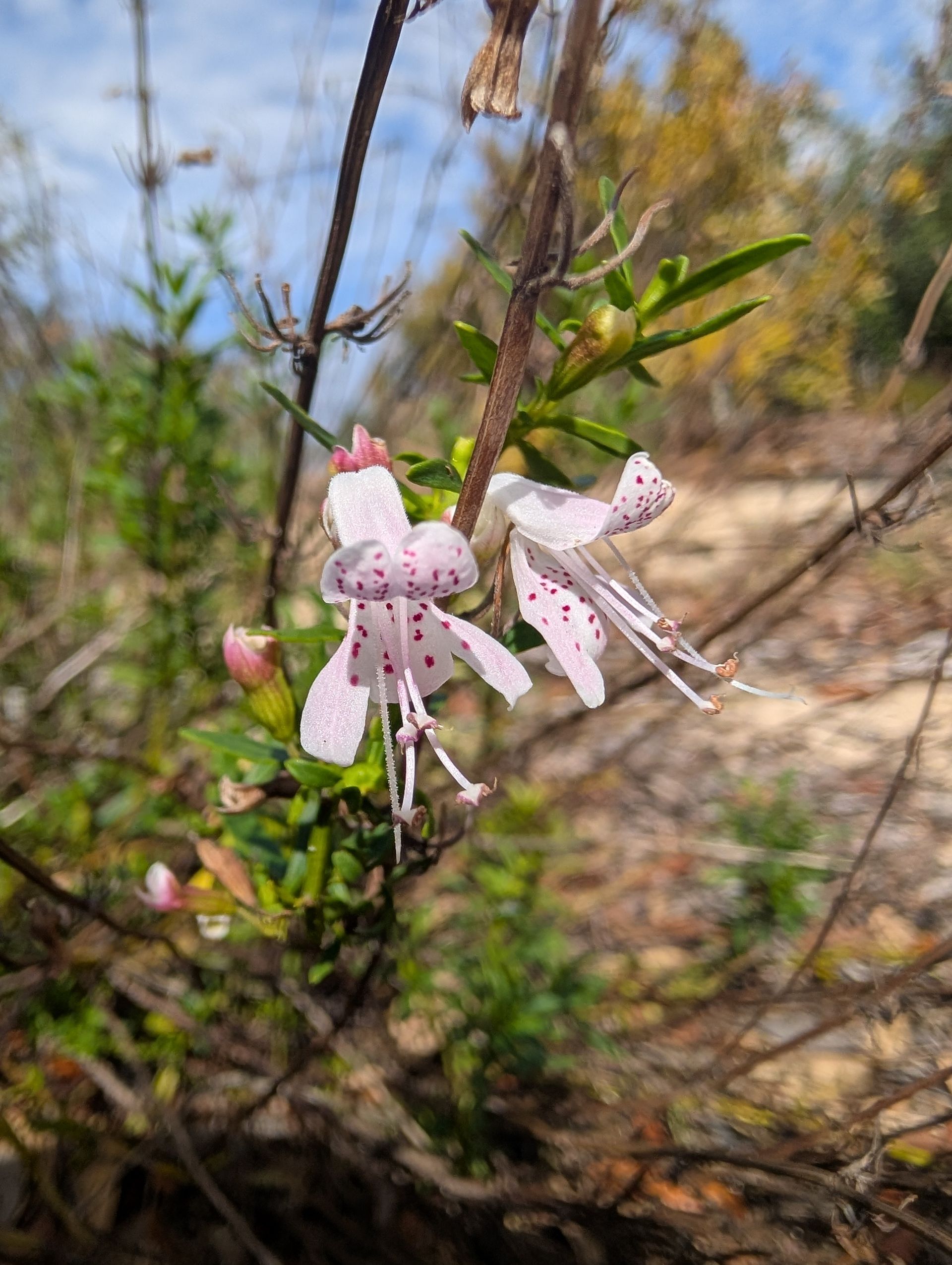
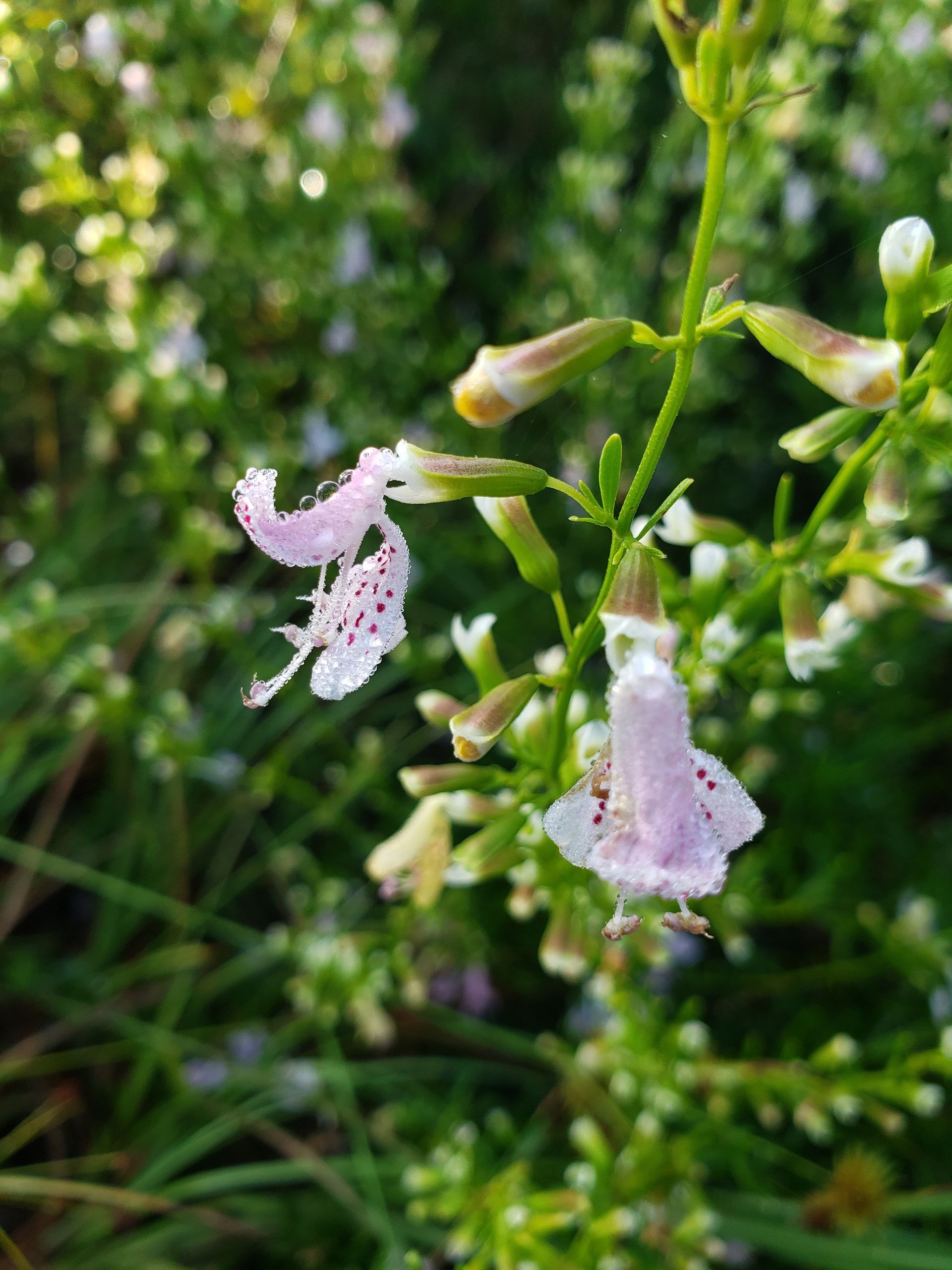
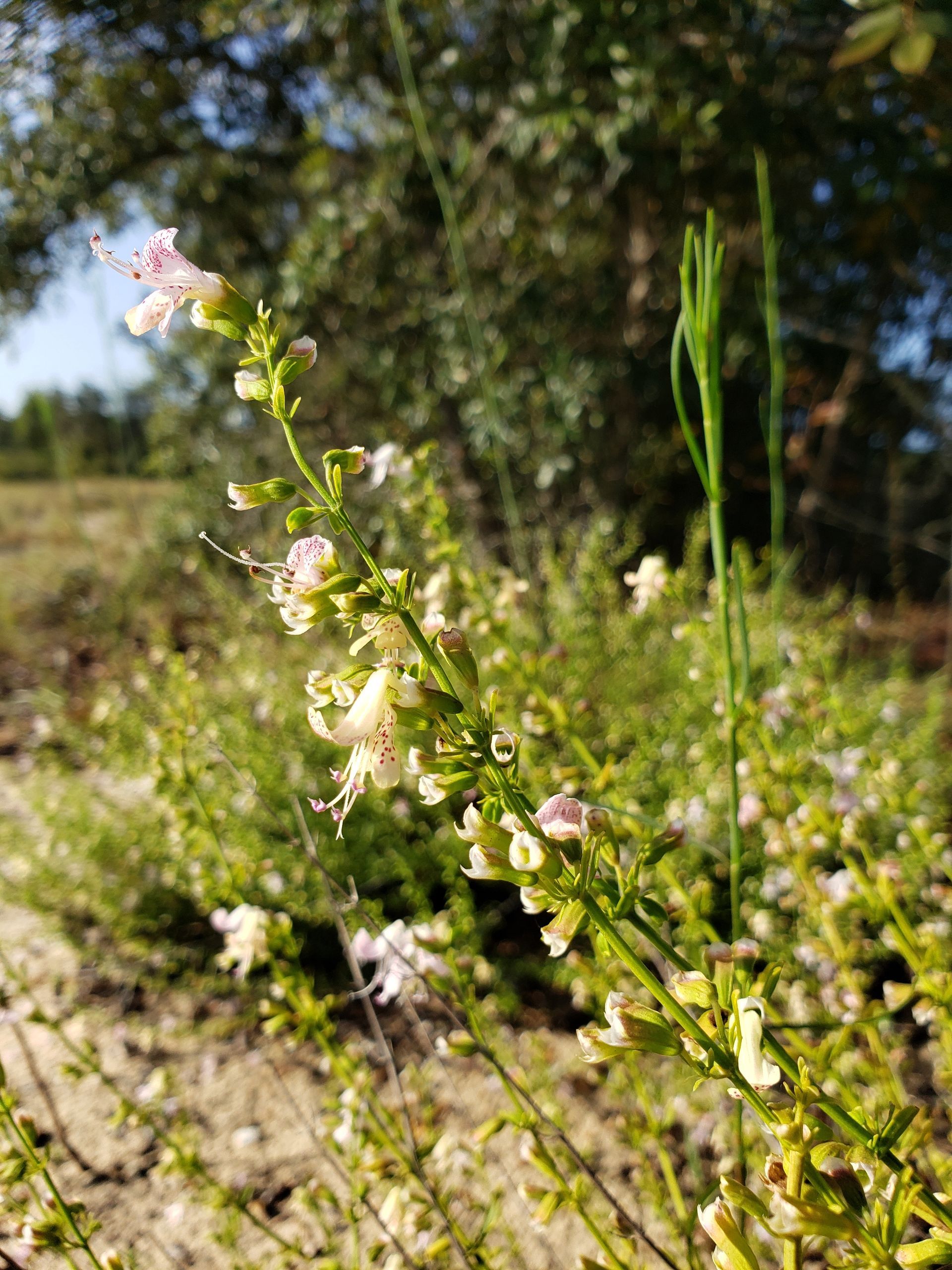
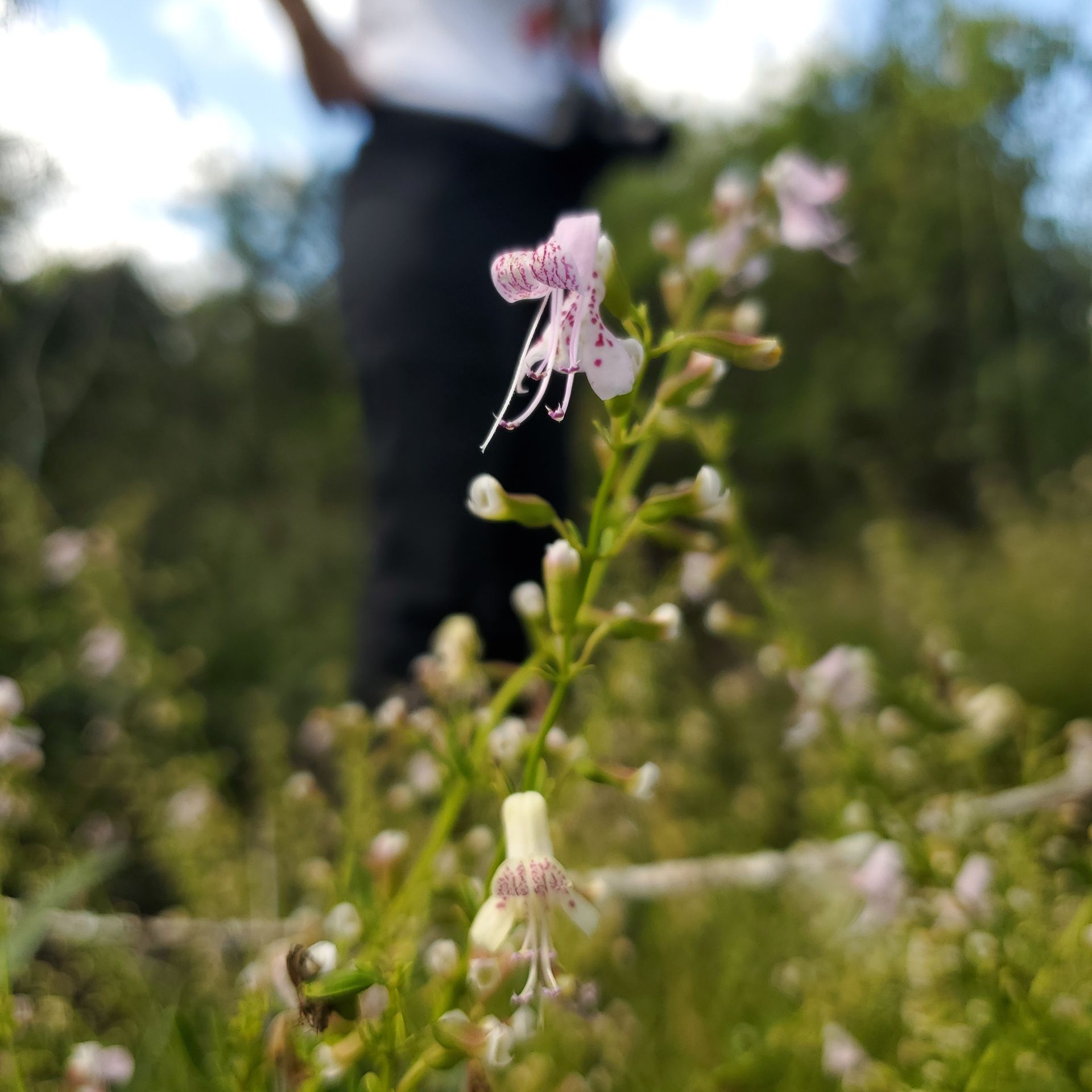
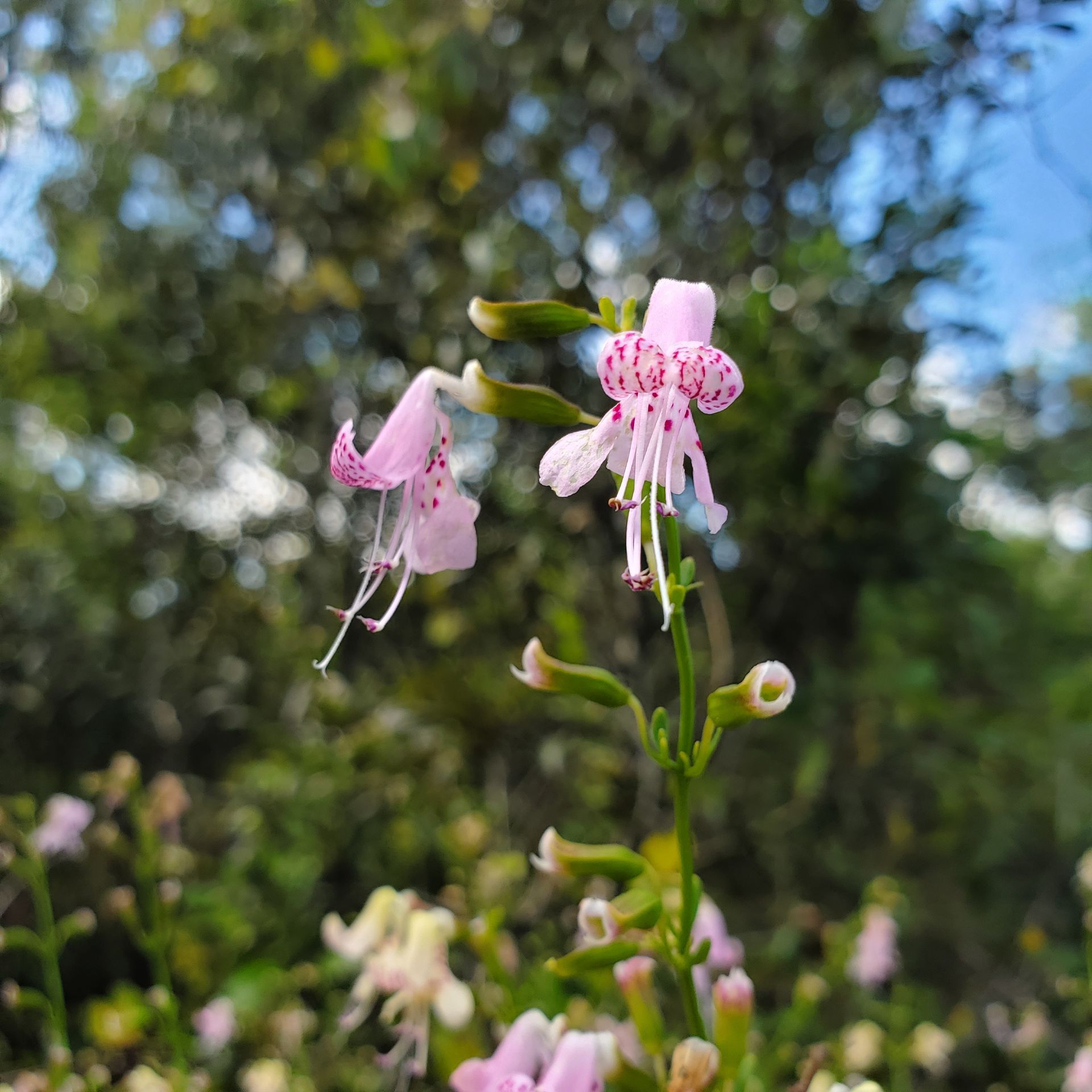
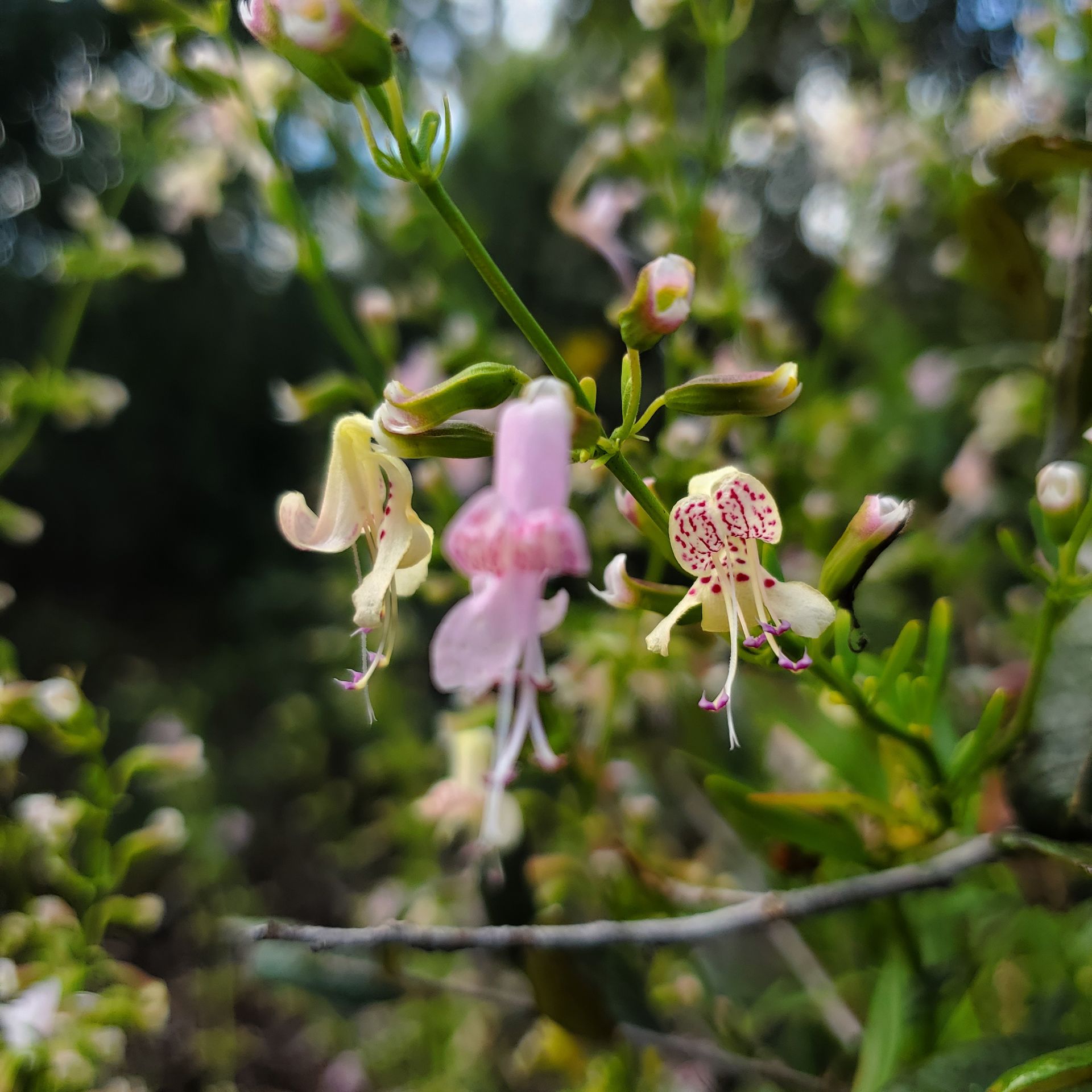
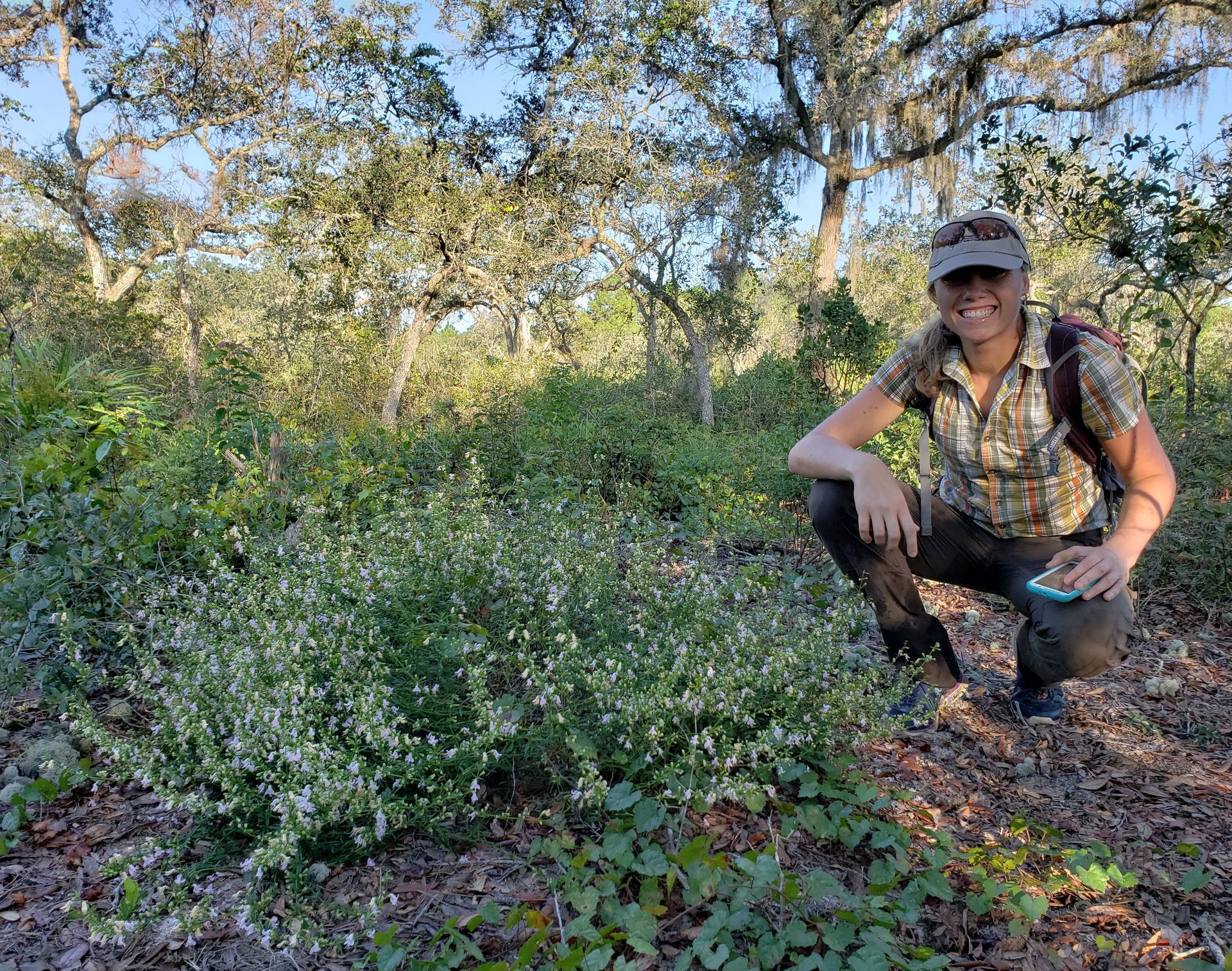
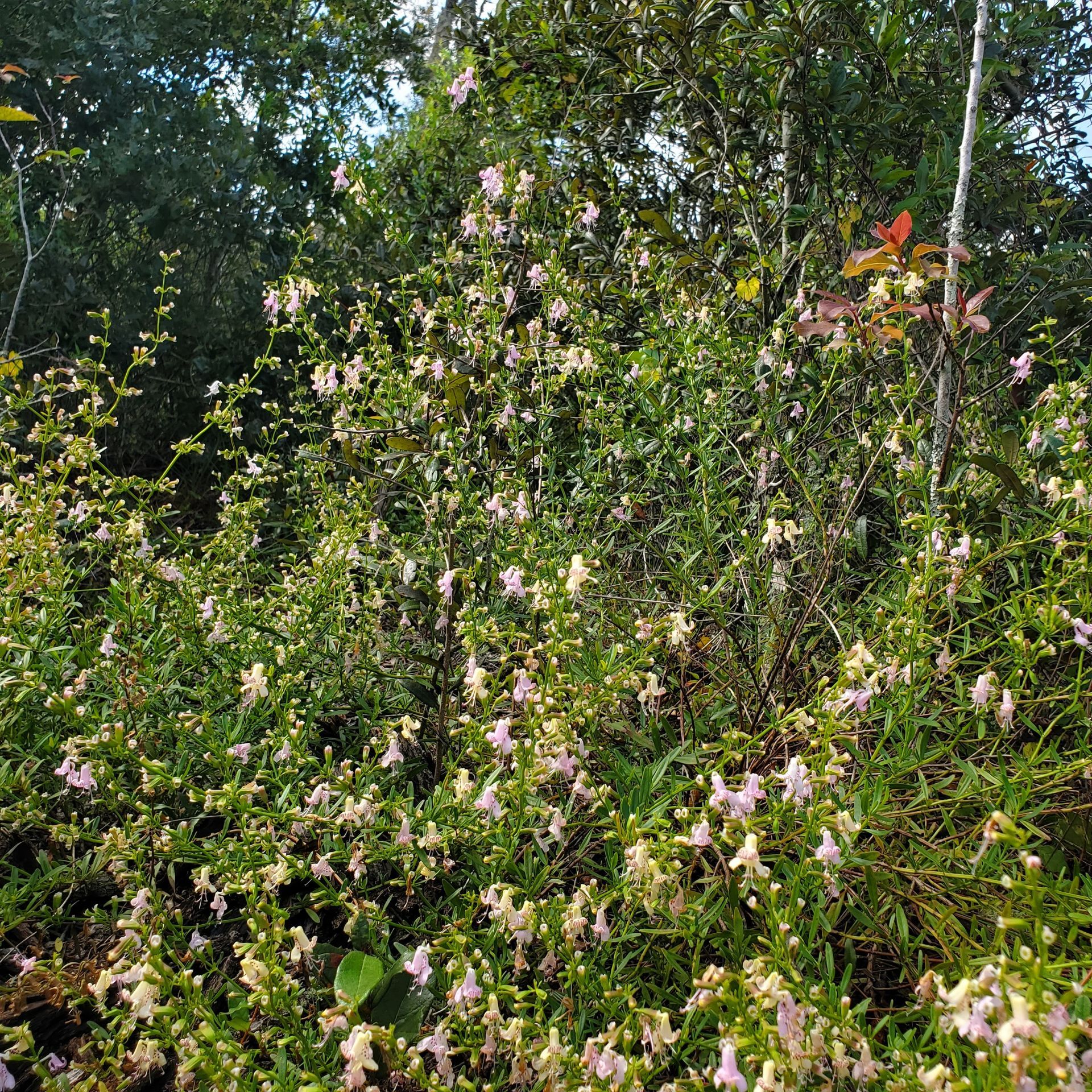
Las fotografías pertenecen a los fotógrafos que permiten su uso únicamente para fines de FNPS.
Nomenclatura
Nombre común:
Blushing Scrub Balm
Especie del género:
Dicerandra modesta
Familia:
Lamiaceae
Información
Descripción:
Hábitat:
Conservación
Problema de conservación:
Only one remaining wild population persists and is threatened by invasive species and fire suppression. The population was also bisected by the construction of the right-of-way for the Sabal Trail pipeline and a Duke Energy transmission line, and is now threatened by the proposed Central Polk Parkway East.
Objetivos de conservación:
1) Restoring the habitat of the only remaining wild population at Lake Marion Creek WMA by invasive species removal and planting native species.
2) Collect annual demographic data of the species to inform land managers of the best management practices for this species.
3) Build relationships with land managers, providing guidance and resources for best land management practices to protect Dicerandra modesta on their property - including invasive plant identification and management.
4) Provide scientifically accurate education on the status and plight of Dicerandra modesta via social media, presentations, and field trips, including the annual Dicerandra Day.
¿Te gustaría ayudar a salvar las plantas en peligro de extinción de Florida? Avísanos y nos pondremos en contacto contigo cuando surja la oportunidad. Este trabajo implica estar al aire libre y posiblemente explorar terrenos difíciles. Nuestro personal estará encantado de ofrecerte capacitación y formación para prepararte para tu día de campo.

