


FNPS's Featured
Plant Profiles
Blushing Scrub Balm
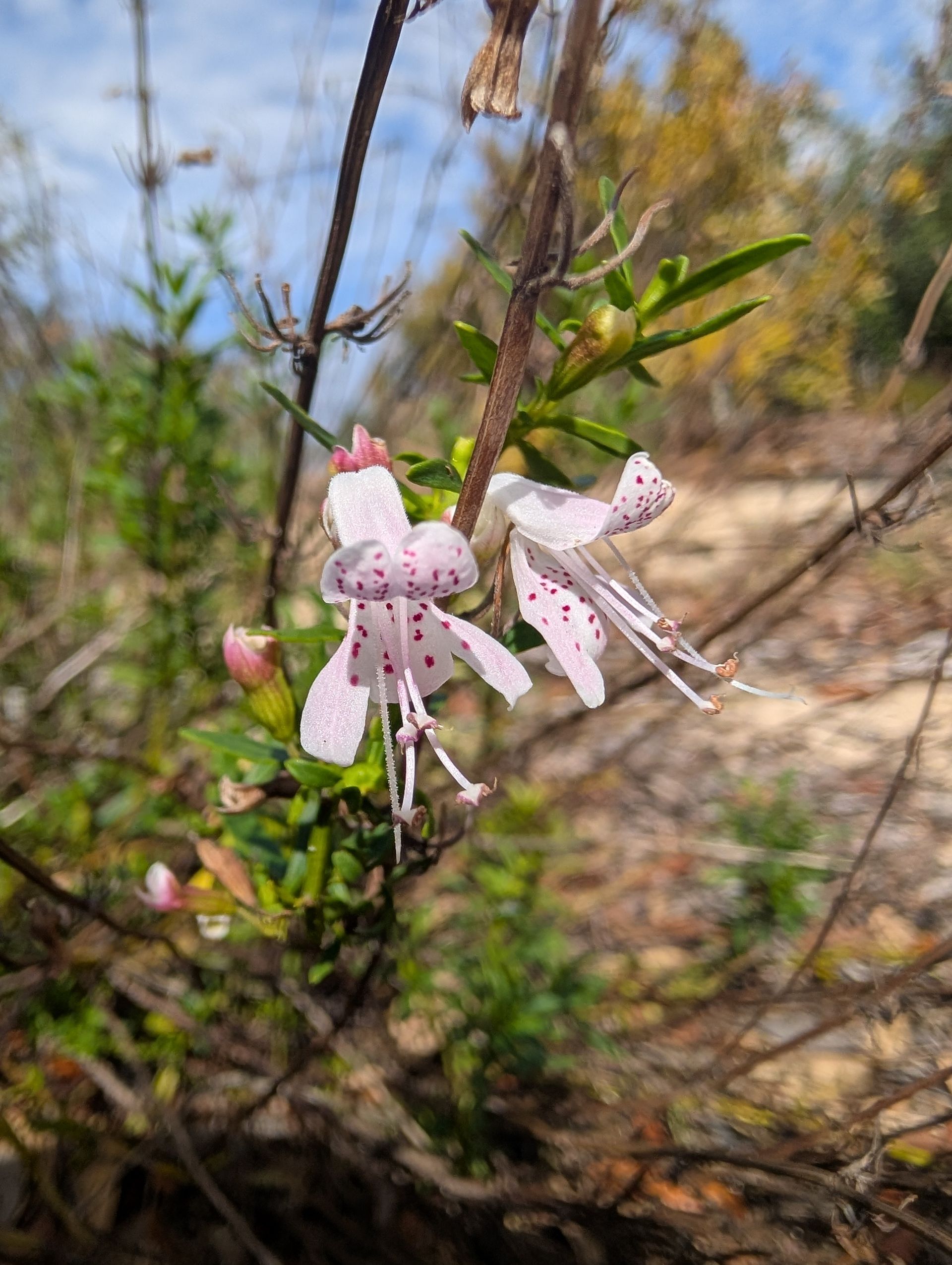
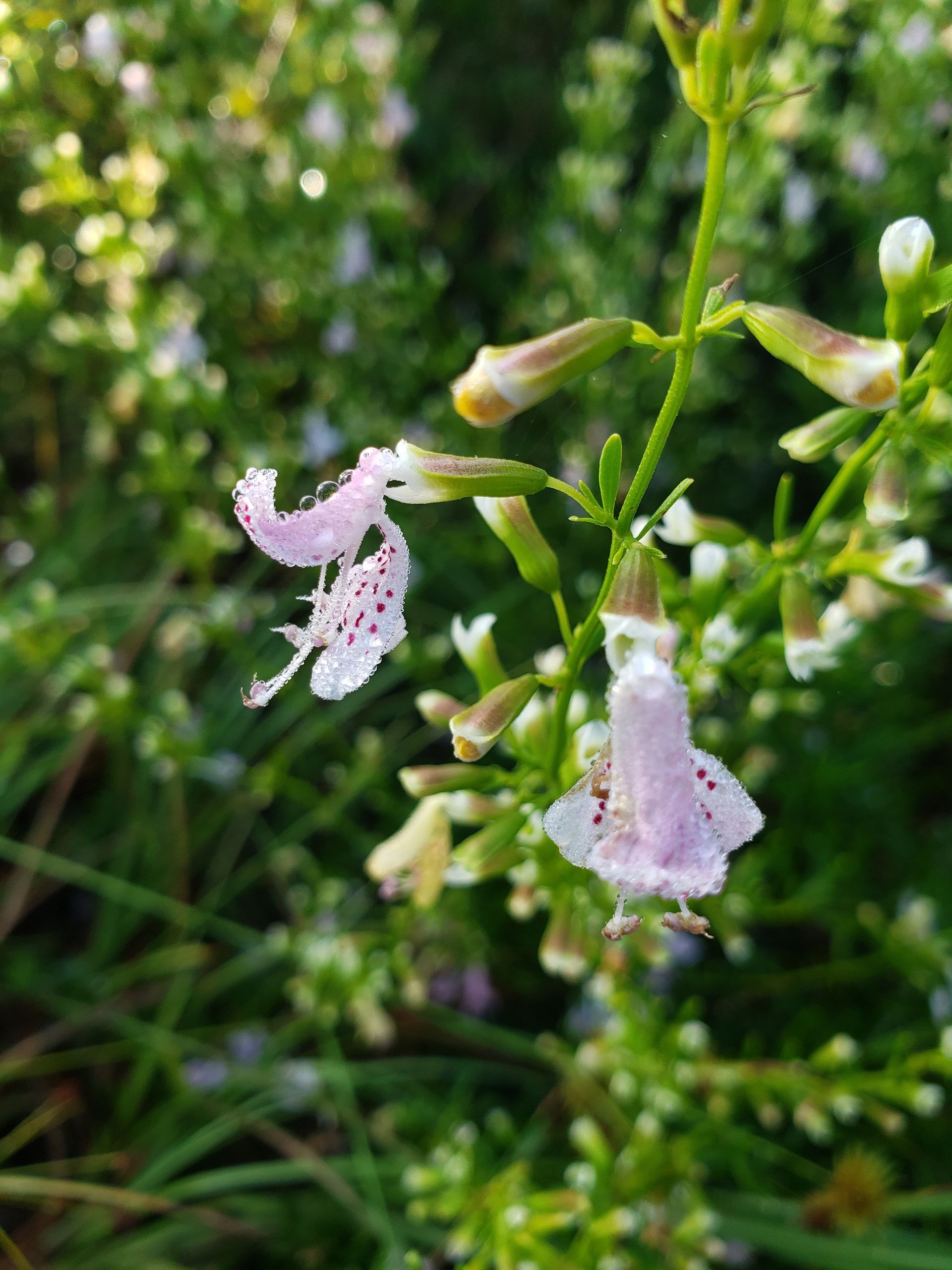
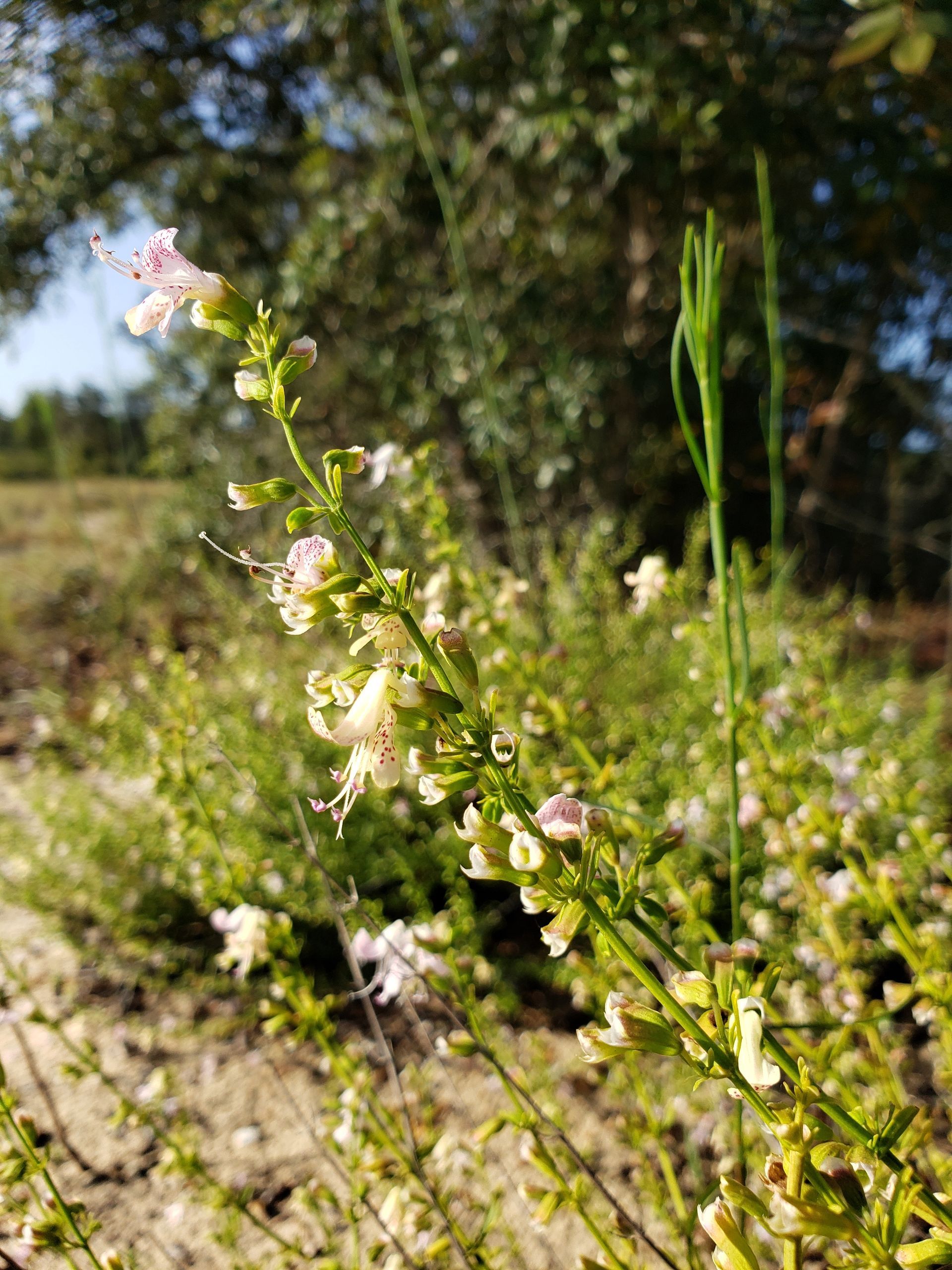
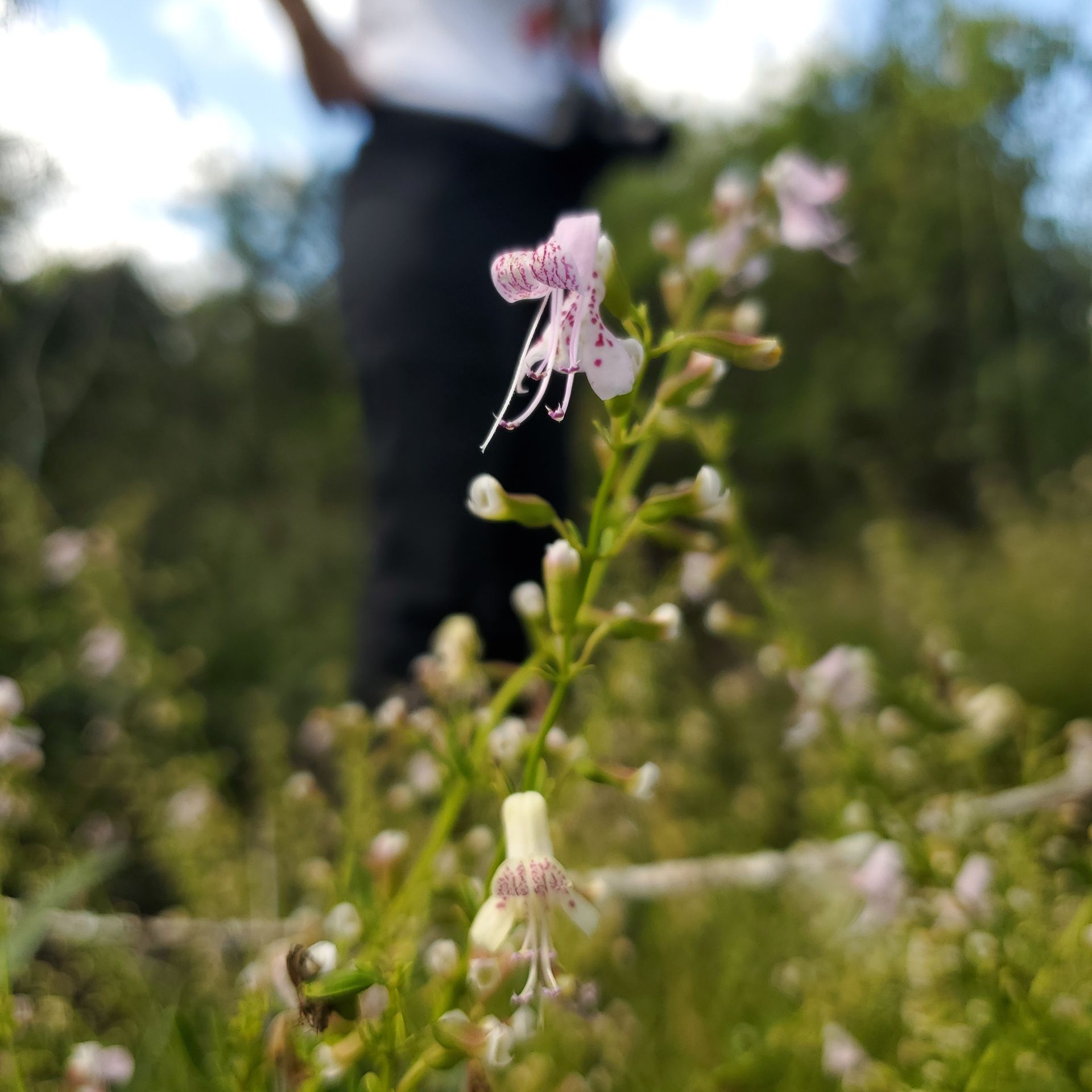
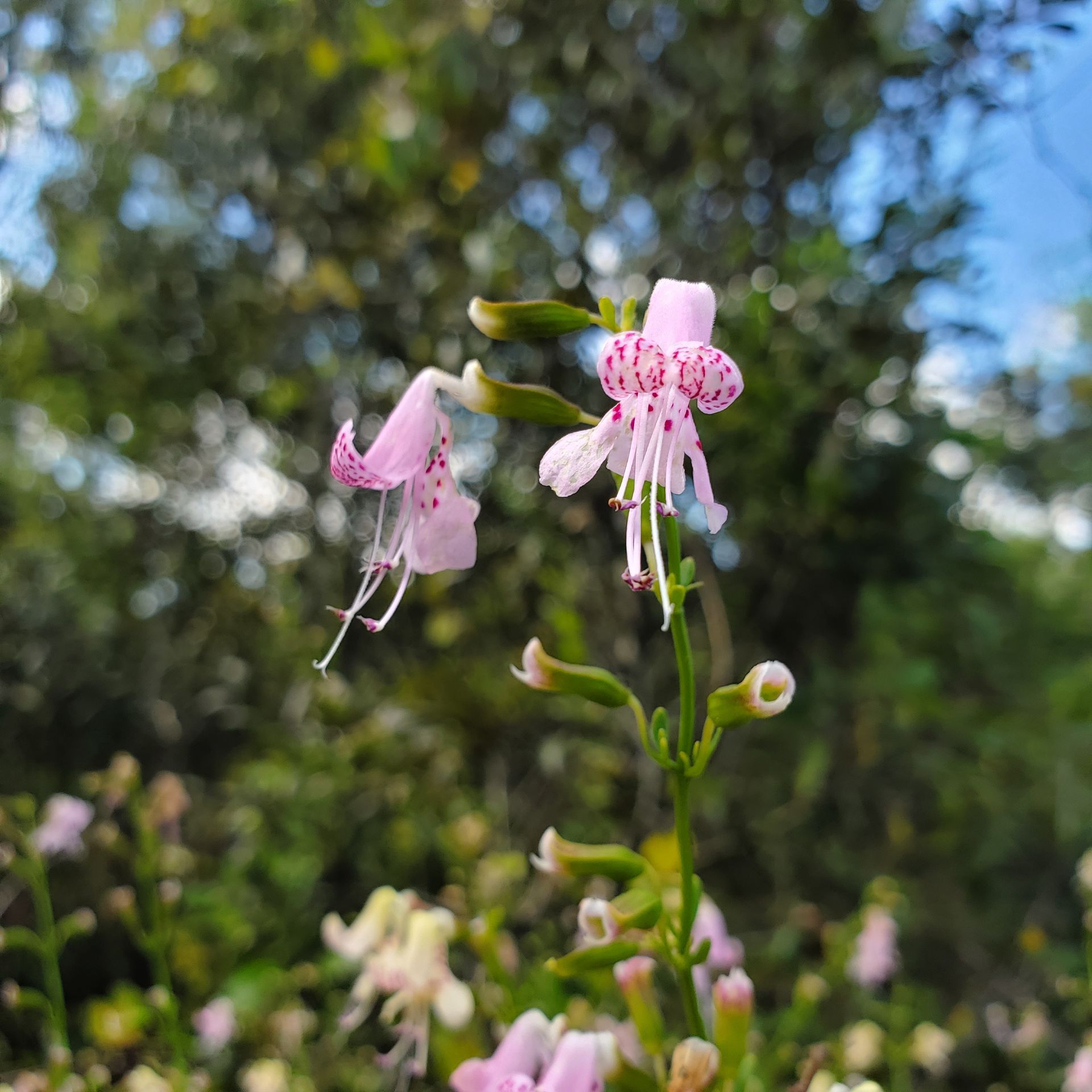
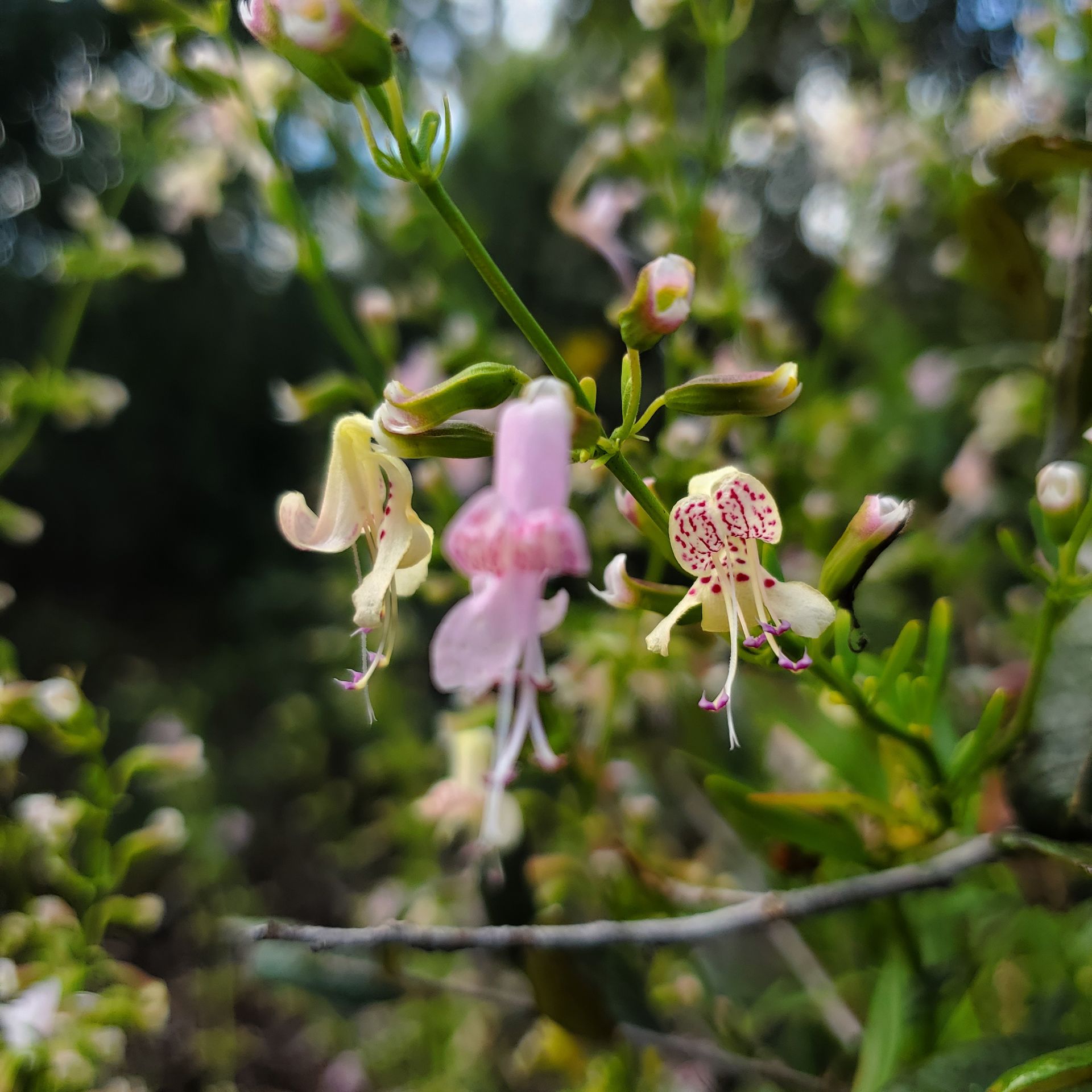
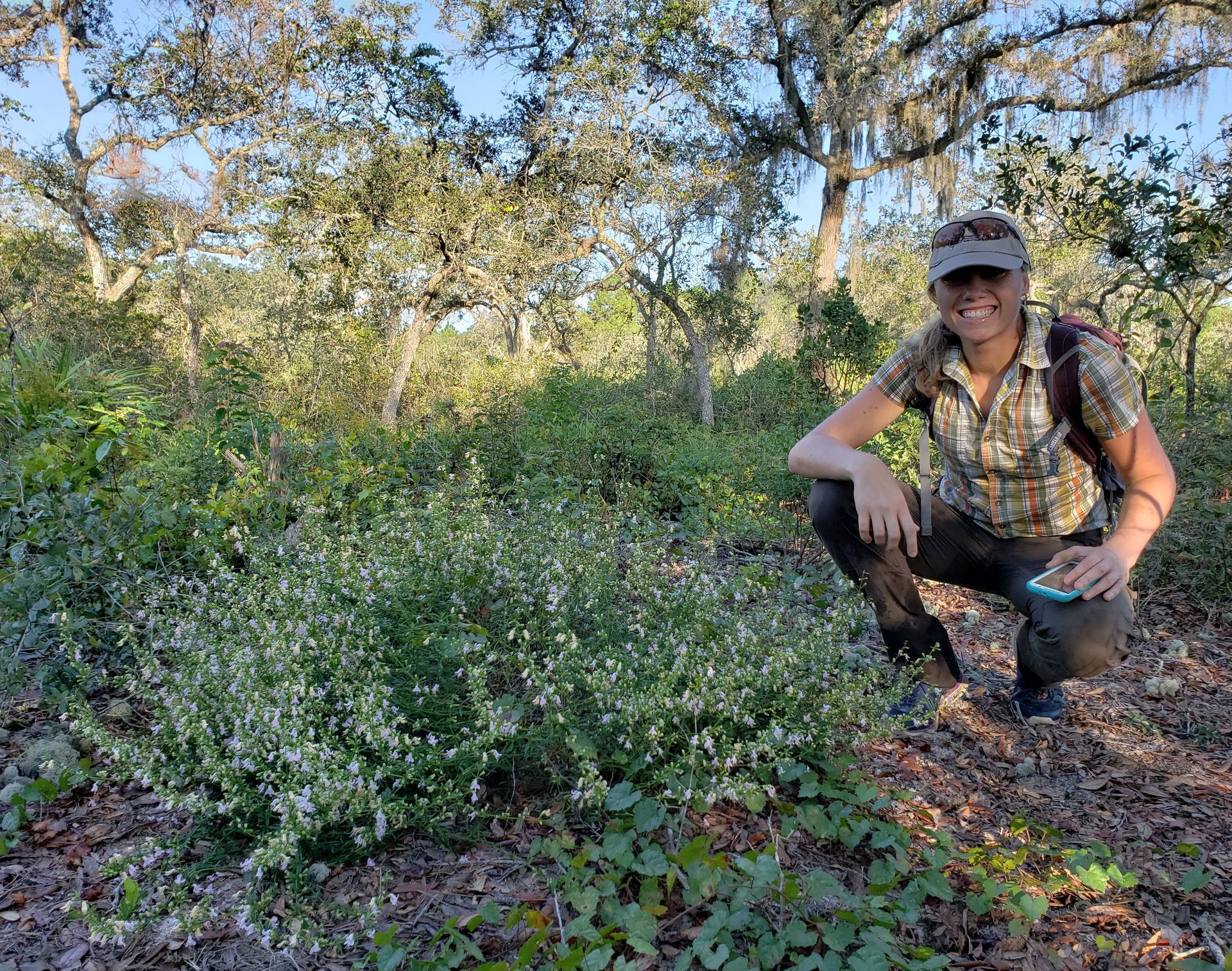
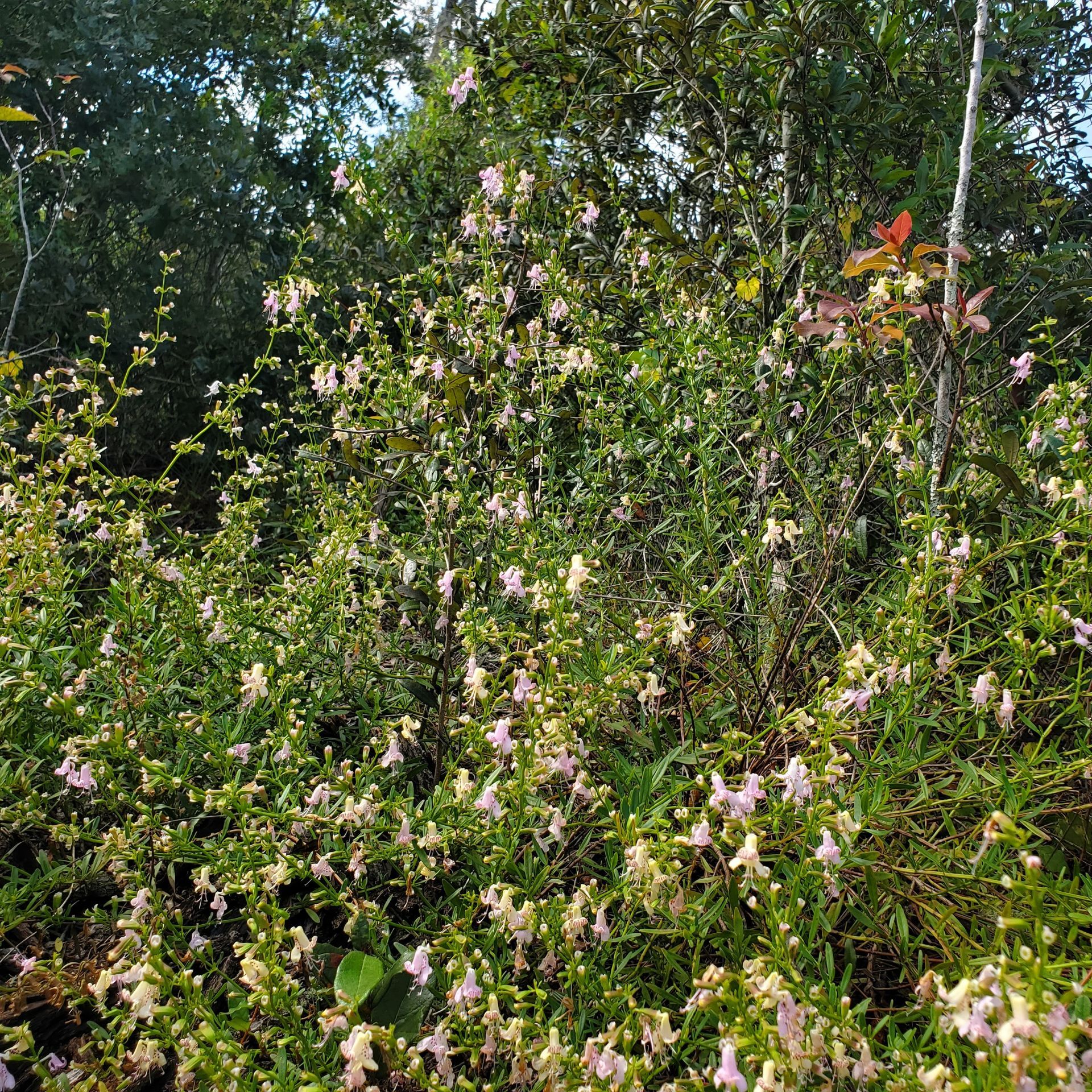
Photographs belong to the photographers who allow use for FNPS purposes only.
Nomenclature
Common Name:
Blushing Scrub Balm
Genus species:
Dicerandra modesta
Family:
Lamiaceae
Information
Description:
Habitat:
Conservation
Conservation Issue:
Only one remaining wild population persists and is threatened by invasive species and fire suppression. The population was also bisected by the construction of the right-of-way for the Sabal Trail pipeline and a Duke Energy transmission line, and is now threatened by the proposed Central Polk Parkway East.
Conservation Goals:
1) Restoring the habitat of the only remaining wild population at Lake Marion Creek WMA by invasive species removal and planting native species.
2) Collect annual demographic data of the species to inform land managers of the best management practices for this species.
3) Build relationships with land managers, providing guidance and resources for best land management practices to protect Dicerandra modesta on their property - including invasive plant identification and management.
4) Provide scientifically accurate education on the status and plight of Dicerandra modesta via social media, presentations, and field trips, including the annual Dicerandra Day.
Would you like to help save Florida endangered plants? Let us know and we will contact you when opportunities arise. This work involved being outside and potentially navigating challenging terrain. Our staff is happy to offer training and education to prepare you for your field day.
