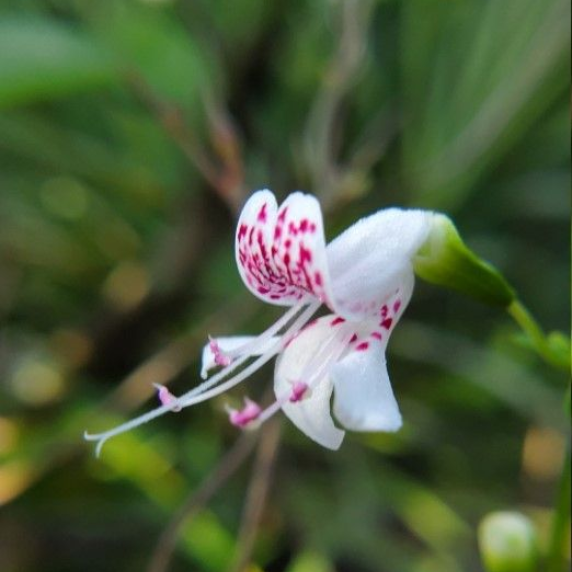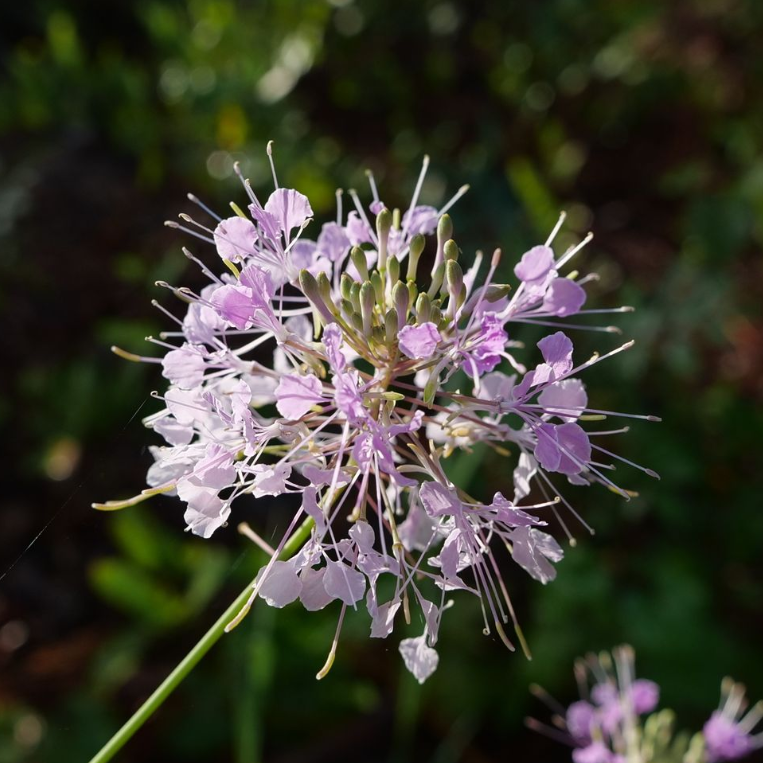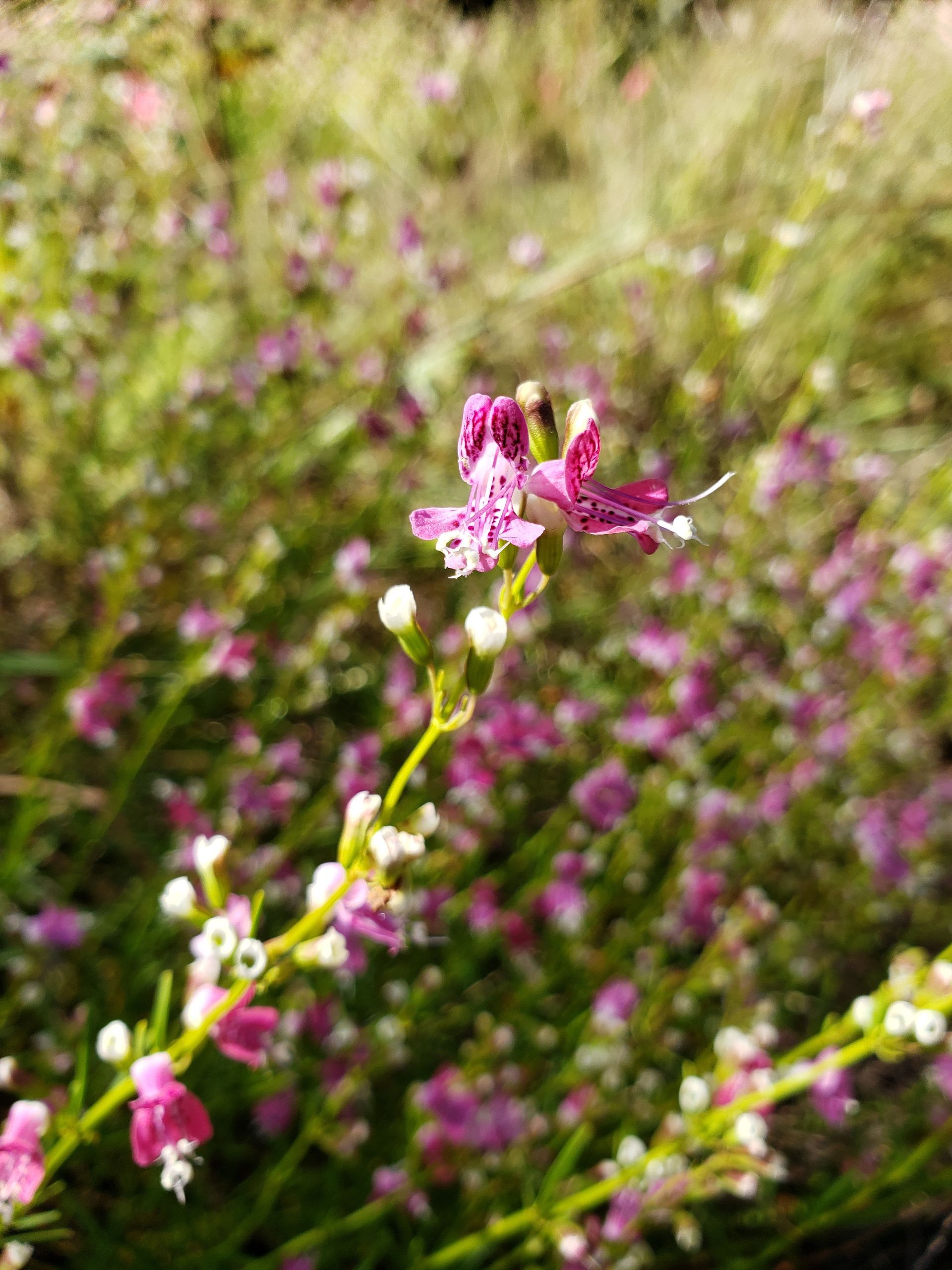

Image by Shirley Denton

News


Annual Award Nominations

/assets/userfiles/images/default_thumbnail.png
Posted January 04, 2020

FNPS is fortunate to have many dedicated and outstanding members who donate their time in support of our mission.  We honor your service each year at our annual Palmetto Awards ceremony, which takes place during the Annual Members Meeting at the conference.     Please take some time…

Read Full Story >>

Call for Research Track Papers and Poster Presentations for the FNPS 2020 Conference

/assets/userfiles/images/Conference2020/2020-Conference-logo.png
Posted September 24, 2019

The Florida Native Plant Society Annual Conference will be held at the University of North Florida, Jacksonville, Florida, May 14-17, 2020.  The Research Track of the Conference will include presented papers and a poster session on Friday May 15 and Saturday May 16.     Researchers…

Read Full Story >>

2019 Policy Advocacy Handbook

/assets/userfiles/images/Policy/Policy%20Advocacy%20Handbook%20cover.png
Posted September 03, 2019

The Florida Native Plant Society’s Policy and Legislation Committee has compiled the 2019 Policy Advocacy Handbook for your use and reference.  As in previous years, we encourage you to engage with your local elected officials.  The next couple months your state legislators (Representatives and Senators) will be scheduling town hall type Legislative Delegation meeting.  Guidance on how to participate effectively in those meetings is an important element of the Handbook.  We will be providing the dates and locations of those meetings as they areannounced, county by county, on our Facebook events, Teamup Calendar, and emails to Chapter leadership.  Please refer to that information as soon as possible so the date of your delegation meeting is on your radar.

As in previous years, we also encourage you to invite you local legislator(s) on a field trip during which you can promote the importance of conserving natural areas through the Florida Forever Program as a way to advance the FNPS mission to conserve native plants and native plant communities.  Guidance on organizing and conducting such field trips in also included in the Handbook.  The fall months are an ideal time to organize such field trips because the weather is ideal and your legislator(s) will be at home in their districts rather than in Tallahassee.  It’s important to begin planning soon so you can engage with them before the beginning of the next legislative session in January.

We created the Handbook to assist you. Feel free to contact the Policy Committee if we can be of additional assistance.

Eugene Kelly, Policy and Legislation Chair
Florida Native Plant Society Board of Directors

Latest from the Blog


M-CORES Update by Eugene Kelly, Policy and Legislation Chair

This article is from the current Sabal minor, which is only accessible in its entirety to FNPS members. Take a moment to join if you don't find the whole newsletter in your inbox today.

In the last issue of the Sabal minor, we provided an overview of the M-CORES toll road projects and summarized some of the potential impacts to native plants if the proposed roads are constructed.  We also assured you that the Policy and Legislation Committee would continue to follow and assess the projects, and share the results of our assessments with the Florida Department of Transportation and the members of the respective Task Forces.  This is a brief update on what has transpired since the last Sabal minor.

Please try to attend a task force meeting if at all feasible.

Suncoast Connector Task Force
Task Force Meeting #4
February 11, 2020, 9:30 am – 4:30 pm
Madison Church of God Life Center
771 NE Colin Kelly Hwy
Madison, FL

Community Open Houses
January 28, 2020, 5:30 pm – 7:30 pm
College of Central Florida — Levy Campus
15390 NW Hwy 19
Chiefland, FL

January 30, 2020, 5:30 pm – 7:30 pm
National Guard Armory
8551 W. Venable Street
Crystal River, FL

Northern Turnpike Connector Task Force
Task Force Meeting #4
February 12, 2020, 9:30 am – 4:30 pm
Suwannee River Fair Pavilion
17851 90 Ave
Fanning Springs, FL

Community Open Houses
January 28, 2020, 5:30 pm – 7:30 pm
College of Central Florida — Levy Campus
15390 NW Hwy 19
Chiefland, FL

January 30, 2020, 5:30 pm – 7:30 pm
National Guard Armory
8551 W Venable St
Crystal River, FL

Southwest-Central Florida Connector Task Force
Task Force Meeting #4
February 13, 2020, 9:30 am – 4:30 pm
Doyle Conner Building
900 US 27
Moore Haven, FL

Community Open House:
To be determined.

Each of the three Task Forces met in early December and their agendas included a panel discussion during which Task Force members asked questions of panelists representing various disciplines.  Each panel included an economist, a US Fish and Wildlife Service biologist, and representatives from an environmental permitting agency and the Florida Department of Agriculture.  I participated in each of the panel discussions as a representative of FNPS.  While none of the questions posed to the panel centered on native plants specifically, much of the discussion placed a priority on avoiding impacts to conservation lands as a guiding principle as the review process moves toward identifying a more refined alignment for each proposed road.

The FNPS policy statement on transportation infrastructure recognizes that the impacts of a road extend far beyond its physical footprint.  In fact, the impacts of future development induced by construction of any of these roads will certainly exceed those of the road itself, and inducing development in the rural areas to be traversed by the roads is the primary rationale for the M-CORES projects.  Each Task Force has recognized the importance of strategically locating future interchanges because they will be a major factor in determining where the induced development occurs.  It remains to be seen whether the strategy behind decisions about future interchanges will emphasize the minimization of environmental impacts or the maximization of economic benefits.

The concept of “co-location”, whereby sections of the future road would be aligned within or adjacent to existing roadways, has also been an item of discussion by each Task Force.  Co-location is consistent with the FNPS policy, which states that “the expansion of existing transportation corridors is preferable to the creation of new ones as a strategy for minimizing impacts to native flora and fauna”, and we should all advocate strenuously for co-location to the greatest extent possible.  During the panel discussion at the Northern Turnpike Connector Task Force meeting in Ocala, I suggested that any future extension of the turnpike could be co-located with State Road 44 to minimize impacts to existing conservation lands, the Withlacoochee River corridor and the wetlands of Tsala Apopka.  It could also avert creation of a new crossing of the Marjorie Harris Carr Cross Florida Greenway, which is already dissected by multiple roadway crossings, including I-75, US19, US41, US301 and CR200.  How many roadway crossings can the Greenway withstand and still maintain any meaningful functionality for wildlife movement and attractiveness for recreational users?  Extensive use of co-location is the only conceivable strategy for preventing the wholesale fragmentation that could otherwise result from any future construction of the Southwest-Central Connector, which would be especially disastrous to the existing network of conservation lands and the accommodation of movement by the Florida panther, black bear, and many other species.

During each of the panel discussions, we were able to place a spotlight on the importance of prescribed burning to the long-term management of conservation lands, and the incompatibility of high-speed highways with the dense smoke often generated by prescribed fire.  Managers of conservation land must weigh the resource benefits of prescribed burning with the potential for tragic consequences that could result from a simple change in wind direction or the placement of early morning smoke fog on a highway.  Roads and other smoke-sensitive land uses are a major impediment to prescribed burning and the bane of land managers everywhere.  New roads and development within or proximate to existing conservation may preclude continued prescribed burning in some areas and compromise the investment the public has already made in conserving them.
The map below illustrates the occurrence of fire-maintained plant communities in the Suncoast Connector Study Area.  Approximately 1.9 million acres of the 3.7 million-acre Study Area, or half of the entire land area, is distinguished as fire-maintained.  About half of that total is pine plantation.  Most of the pine plantation in this region is not managed using prescribed fire because herbicides are favored for the control hardwoods and to prevent the accumulation of fuels in order to accommodate the harvest of pine straw.  Although the plantation areas may not currently be fire-maintained, they are still fire prone, and future management may shift back towards prescribed burning.  Regardless, there are still another 900,000 acres of fire-maintained natural communities present in the Study Area.  The Northern Turnpike Connector Study Area is pretty comparable, with about half the land area consisting of fire-maintained vegetation, although plantation is less prevalent.  We are still assessing the Southwest-Central Connector Study Area, where we suspect the prevalence of forested wetland in the southern end will result in a smaller, but still significant, proportion of total and area in fire-maintained plant communities.

Map 1.  Fire-Maintained Plant Communities in the Suncoast Connector M-CORES Study Area.

The M-CORES website provides interactive mapping tools that allow the public to gauge some of the natural resource impacts that could result from construction of the roads (Suncoast Map; Northern Turnpike Connector Map; Southwest Central Florida Connector Map).  They provide access to a wealth of spatial information, from the locations of existing conservation lands and Florida Forever project areas to floodplains, wetlands, springsheds, high priority ecological greenways, and critical habitat for imperiled species.

The fourth round of Task Force meetings will take place in February according to the schedule provided with this article.  Each Task Force meeting includes a period for public comment.  You can also submit written comments at the meetings, attend one of the Community Open House meetings to communicate directly with FDOT staff, or email comments to FDOT.Listens@dot.state.fl.us.  Each Task Force meeting begins with a summary of public comments received since the prior meeting.  So make no mistake – public participation matters!  Please take some time to express you own concerns about the proposed toll roads, whether they are related to natural resource impacts, degraded recreational values, or the cost of investing in expensive infrastructure simply to promote development.  And look for additional updates from us in future editions of the Sabal minor.

Recent Blog Posts ...

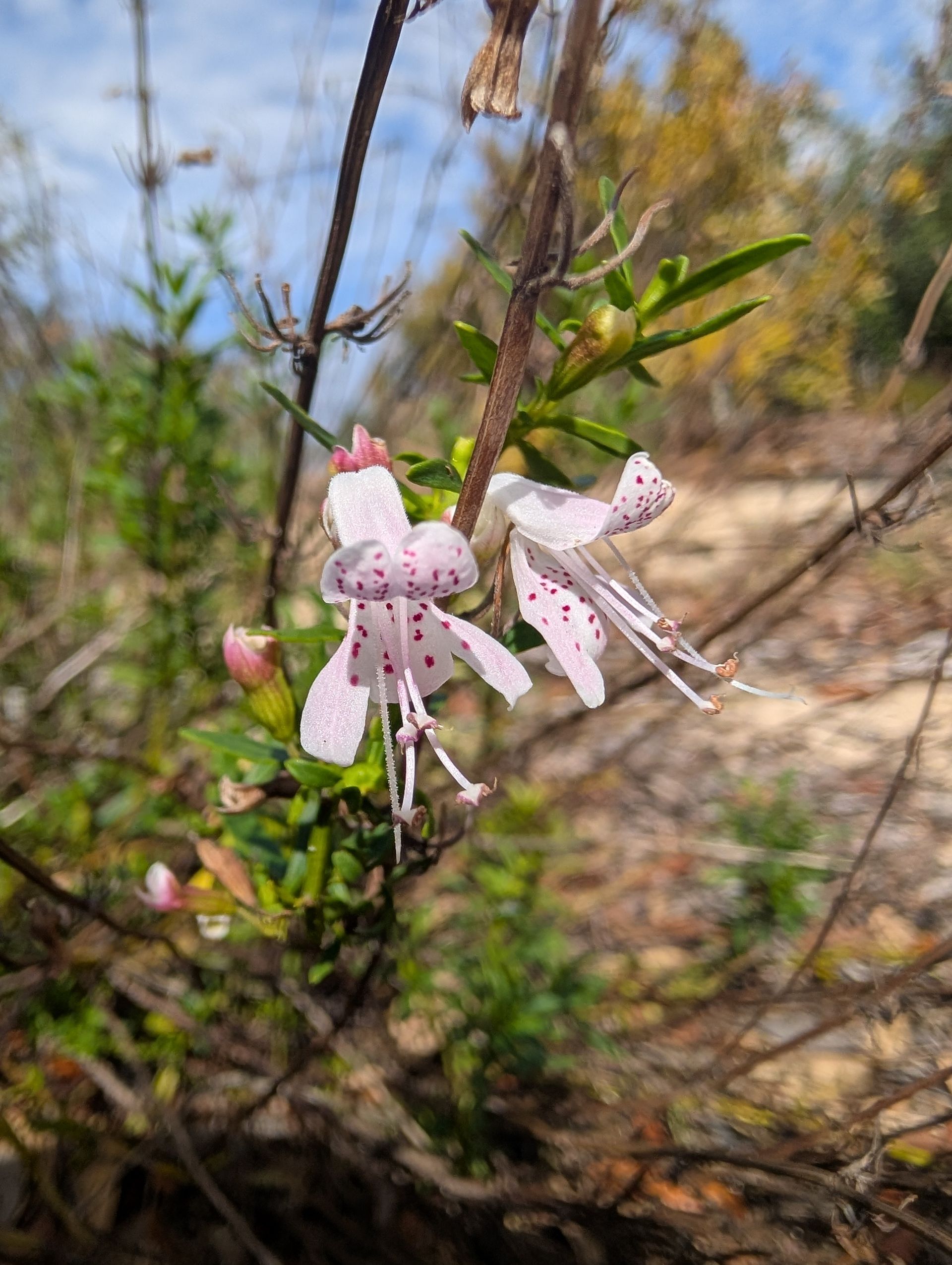
Conservation and Habitat Restoration for Two Florida Endemic Mints
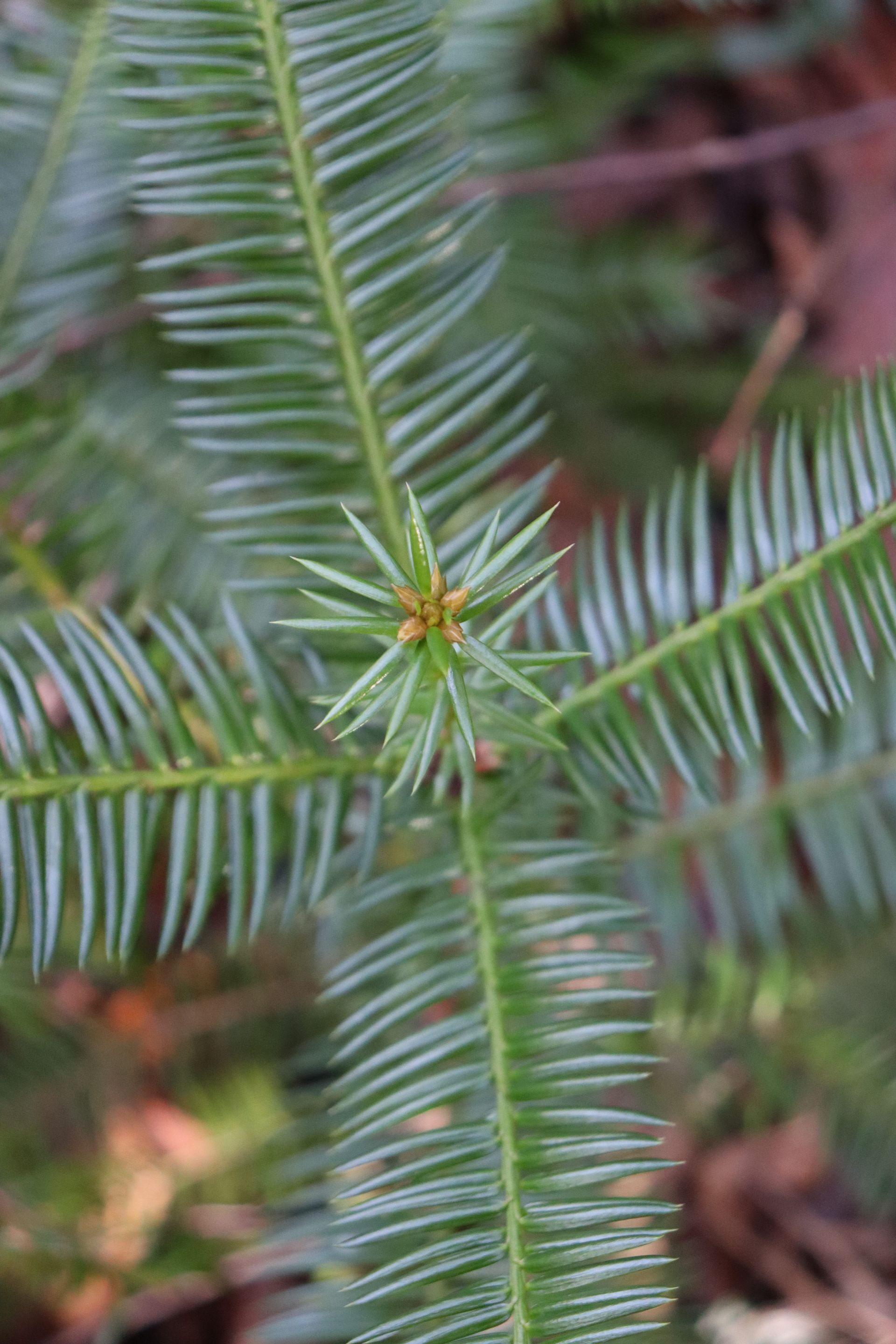
TorreyaKeepers Update December 2019
Toll Roads Analysis - Detailed Assessment of Impacts on Native Plants and Native Plant Communities
Call for Abstracts - 2020 Conference Jacksonville
Alexander Springs- Exploring the Timucuan Trail
Florida Native Plant Society Purchases 12.5 Acres to Protect Endangered Species
National Moth Week: Time to Wrap It Up
National Moth Week: Hummingbird Moth (Hemaris thysbe)
National Moth Week: Io Moth (Automeris io)