

FNPS's Featured
Plant Profiles
Florida Torreya
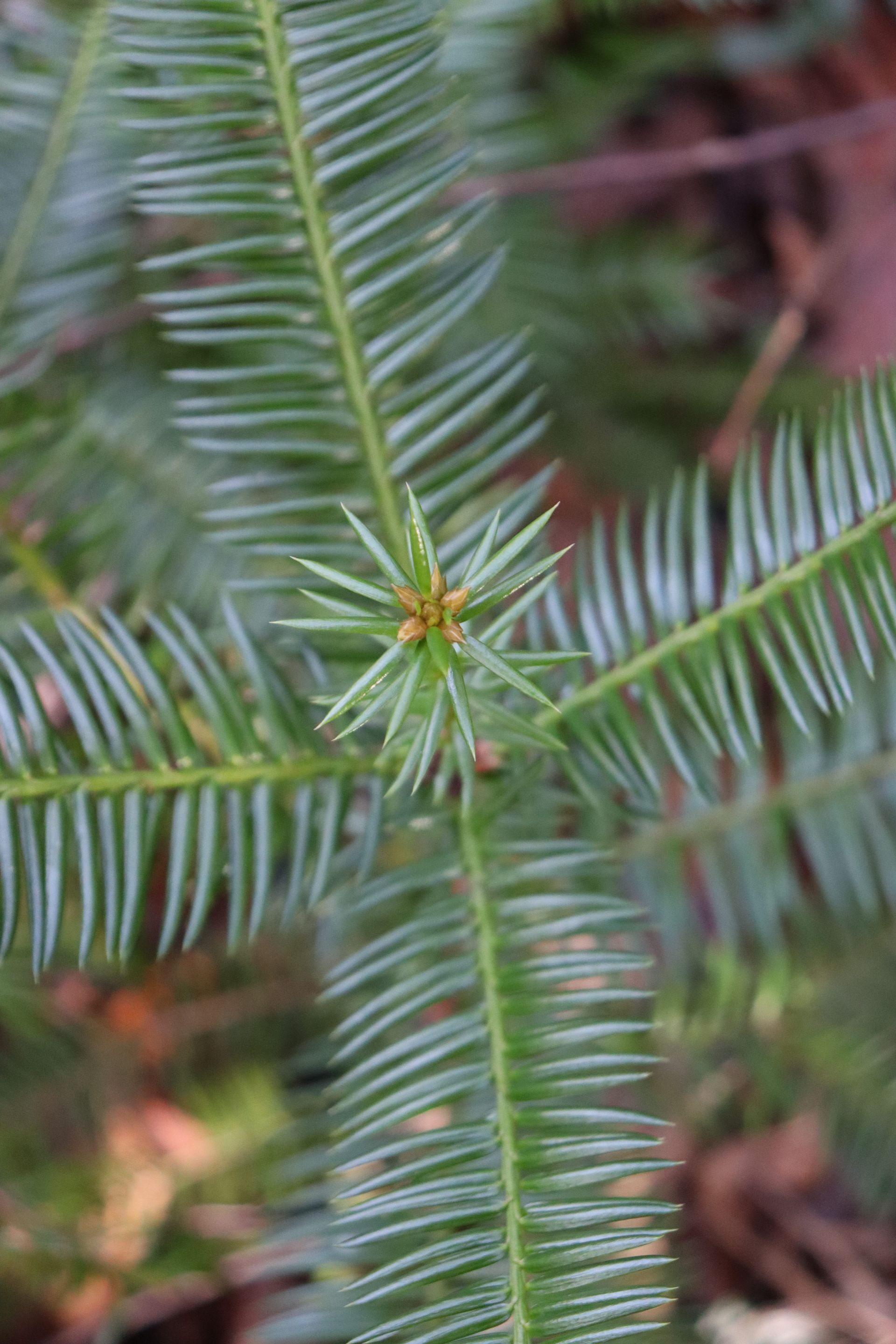
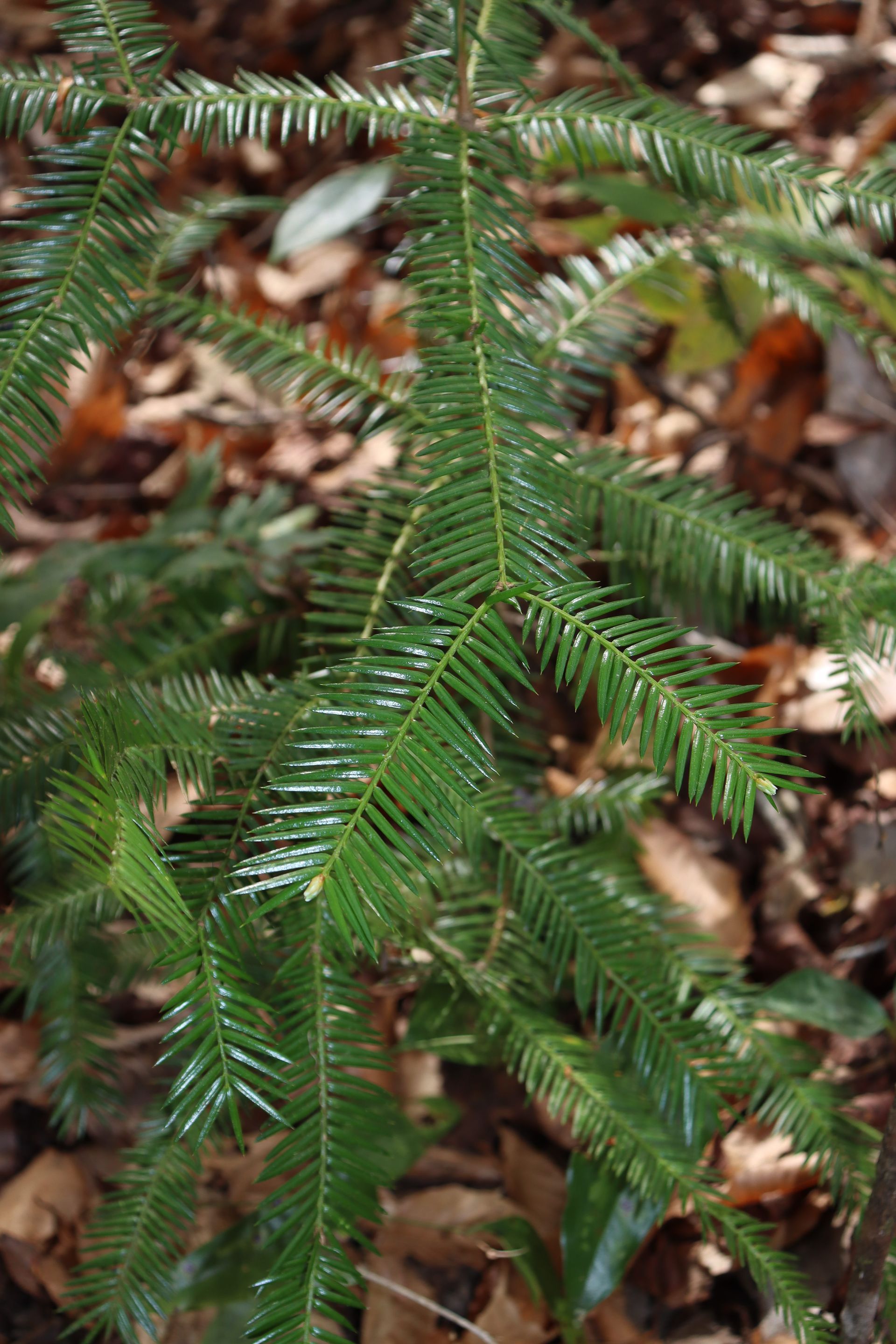
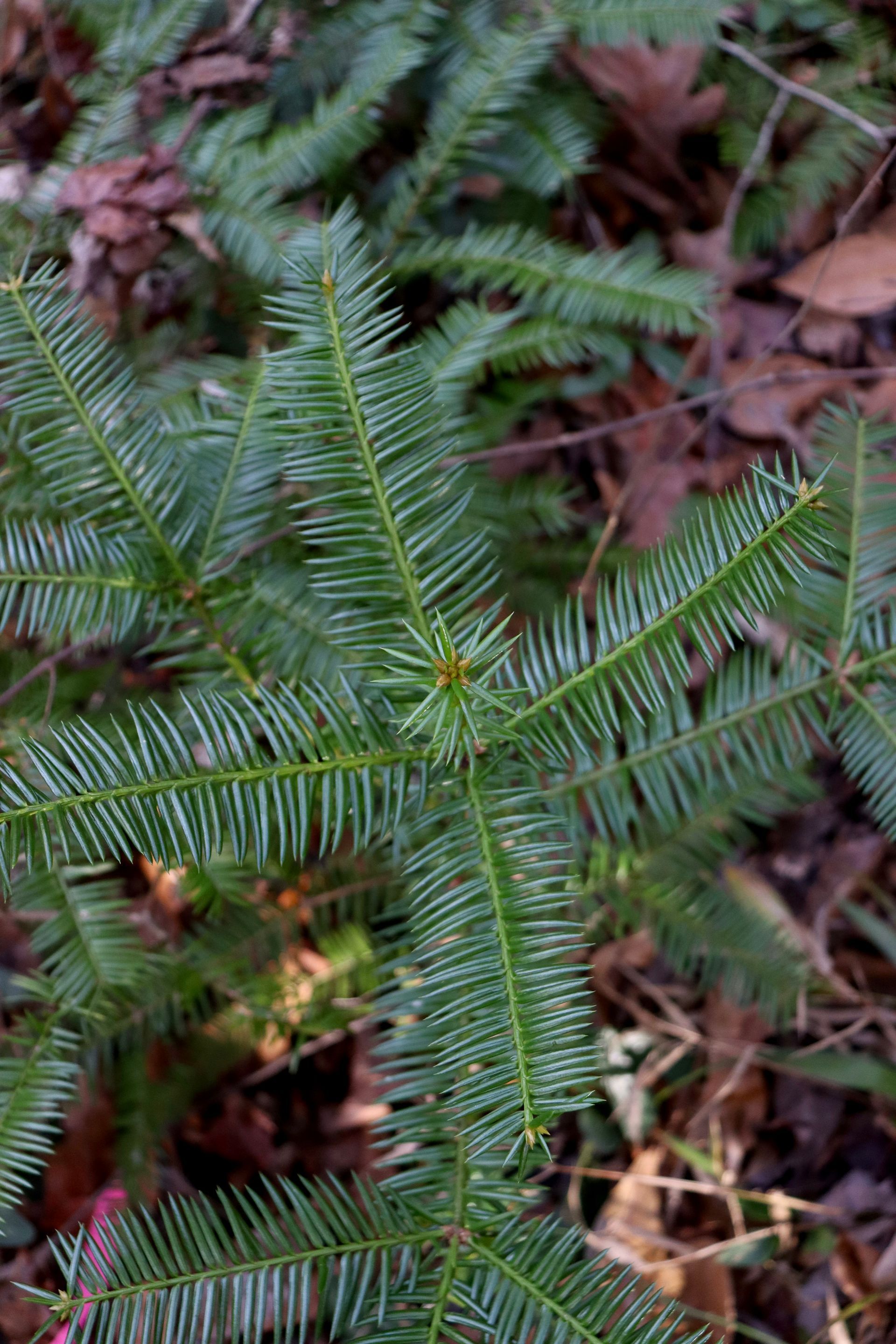
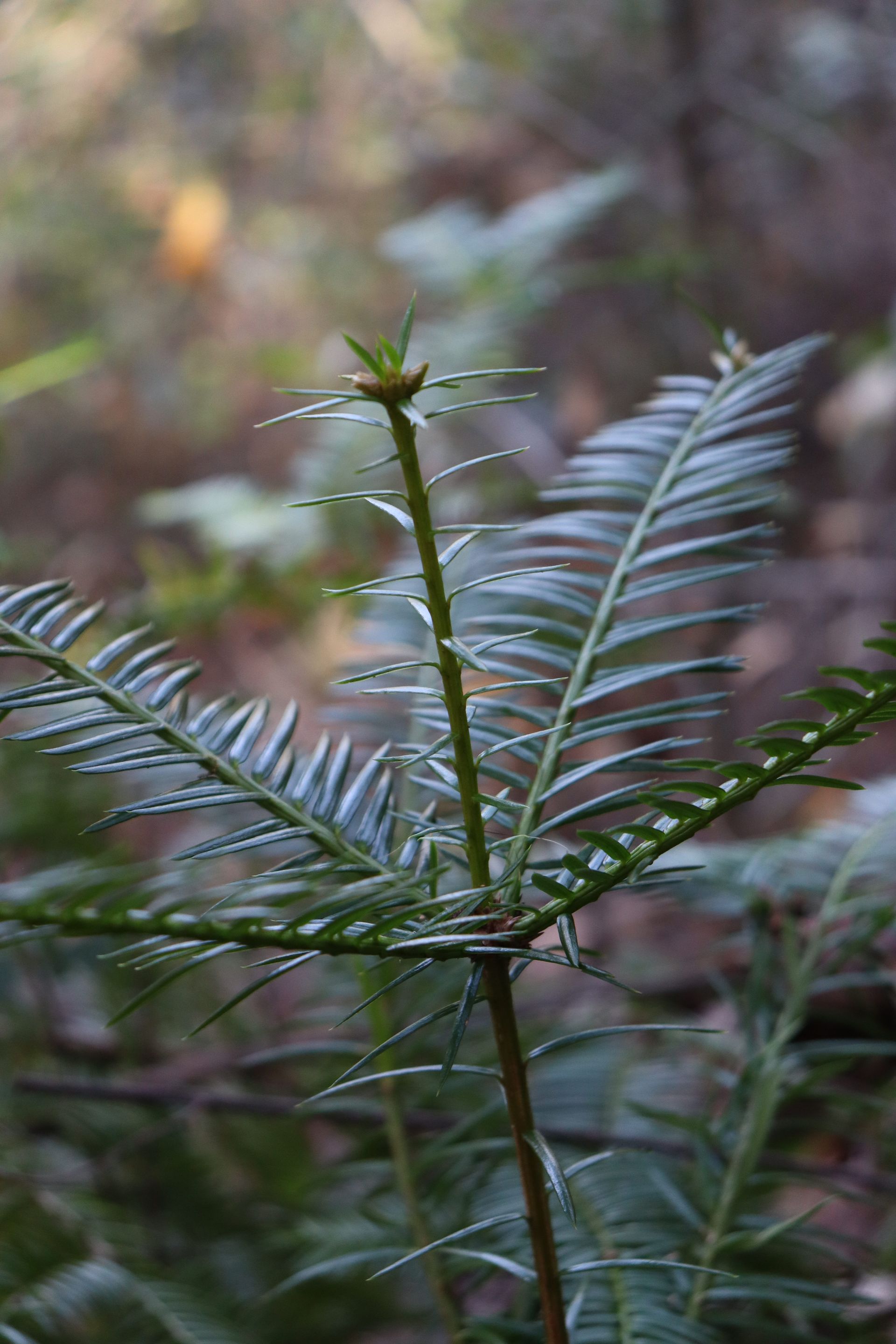
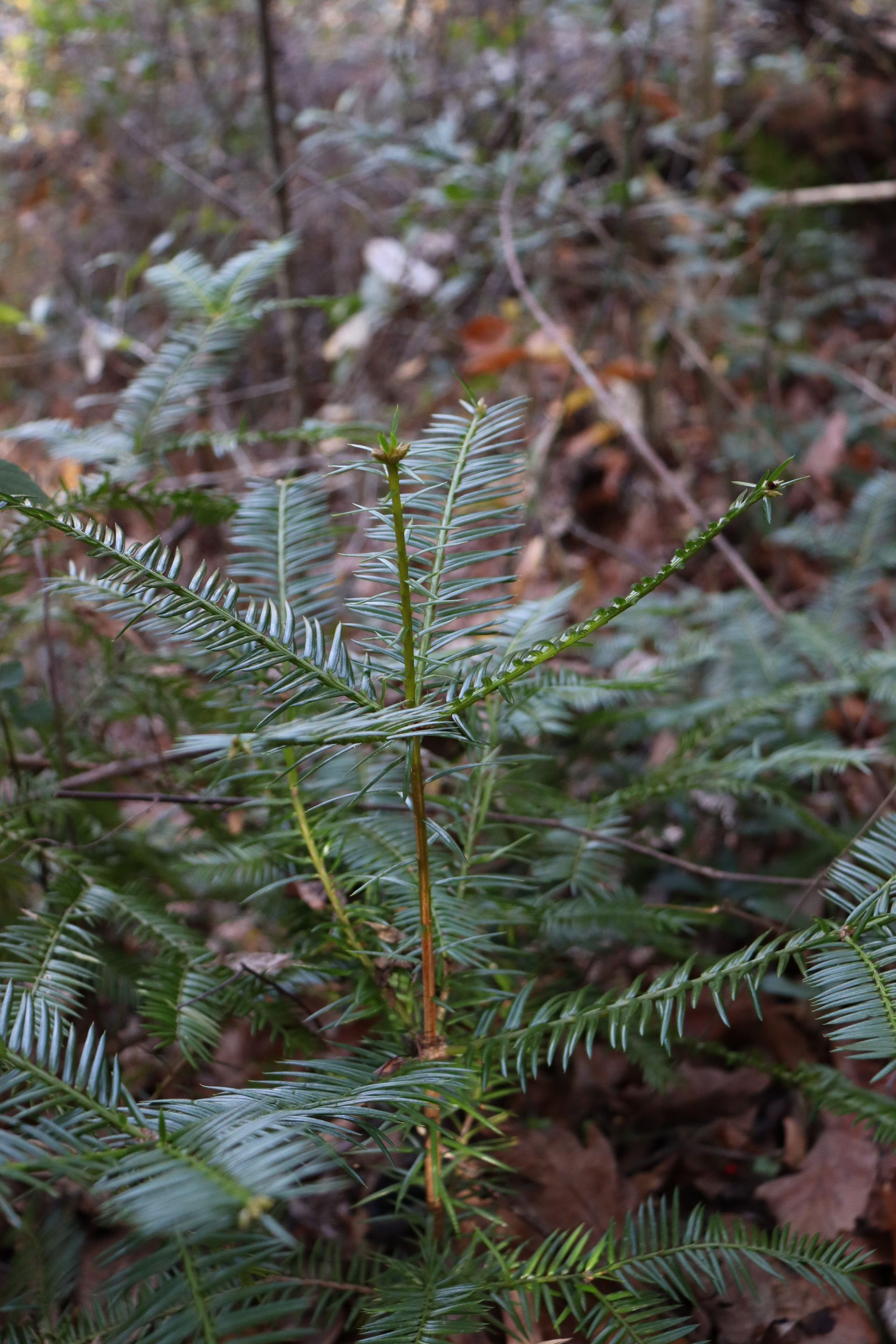
Photographs belong to the photographers who allow use for FNPS purposes only.
Nomenclature
Common Name:
Florida Torreya
Genus species:
Torreya taxifola
Family:
Taxaceae
Information
Description:
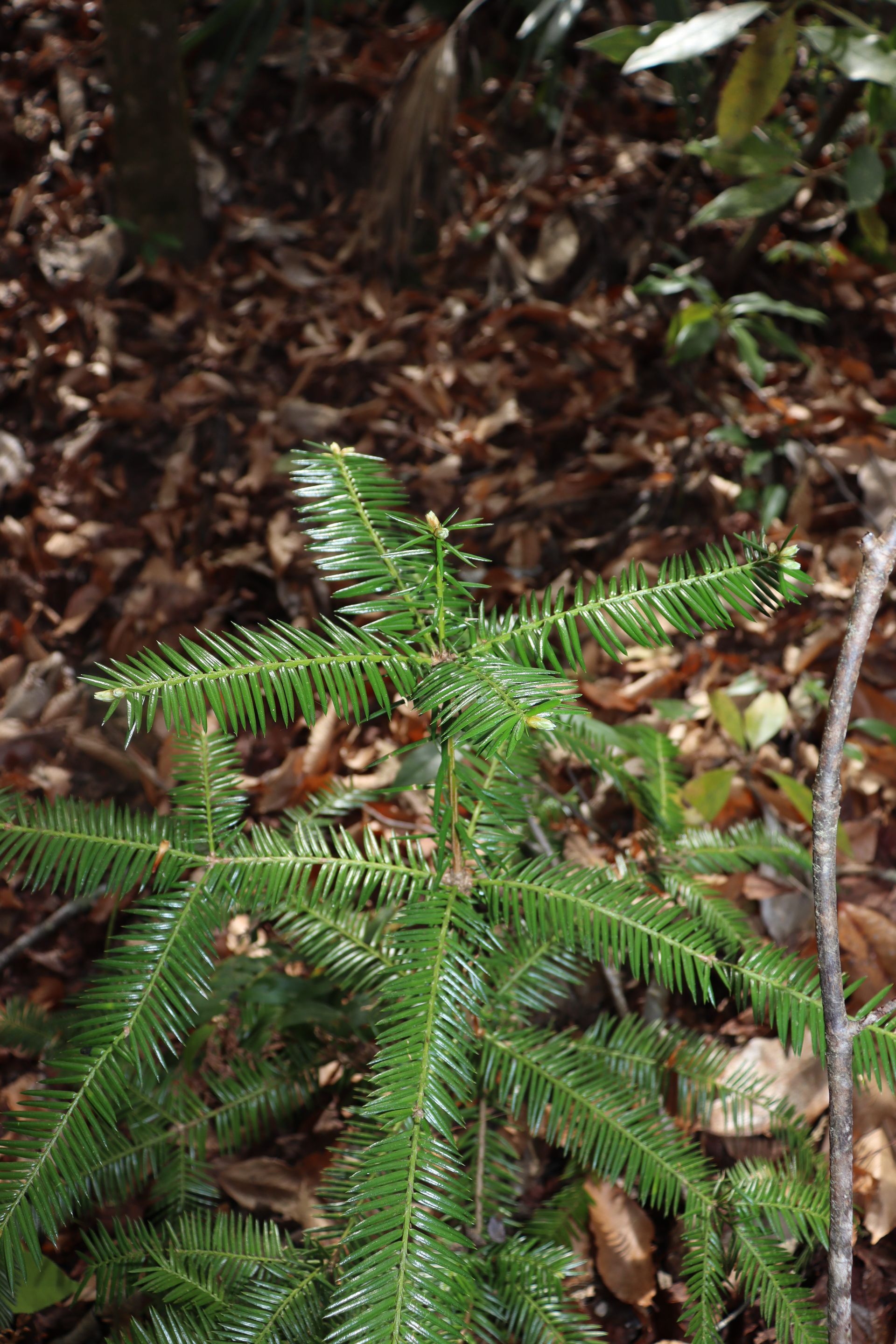
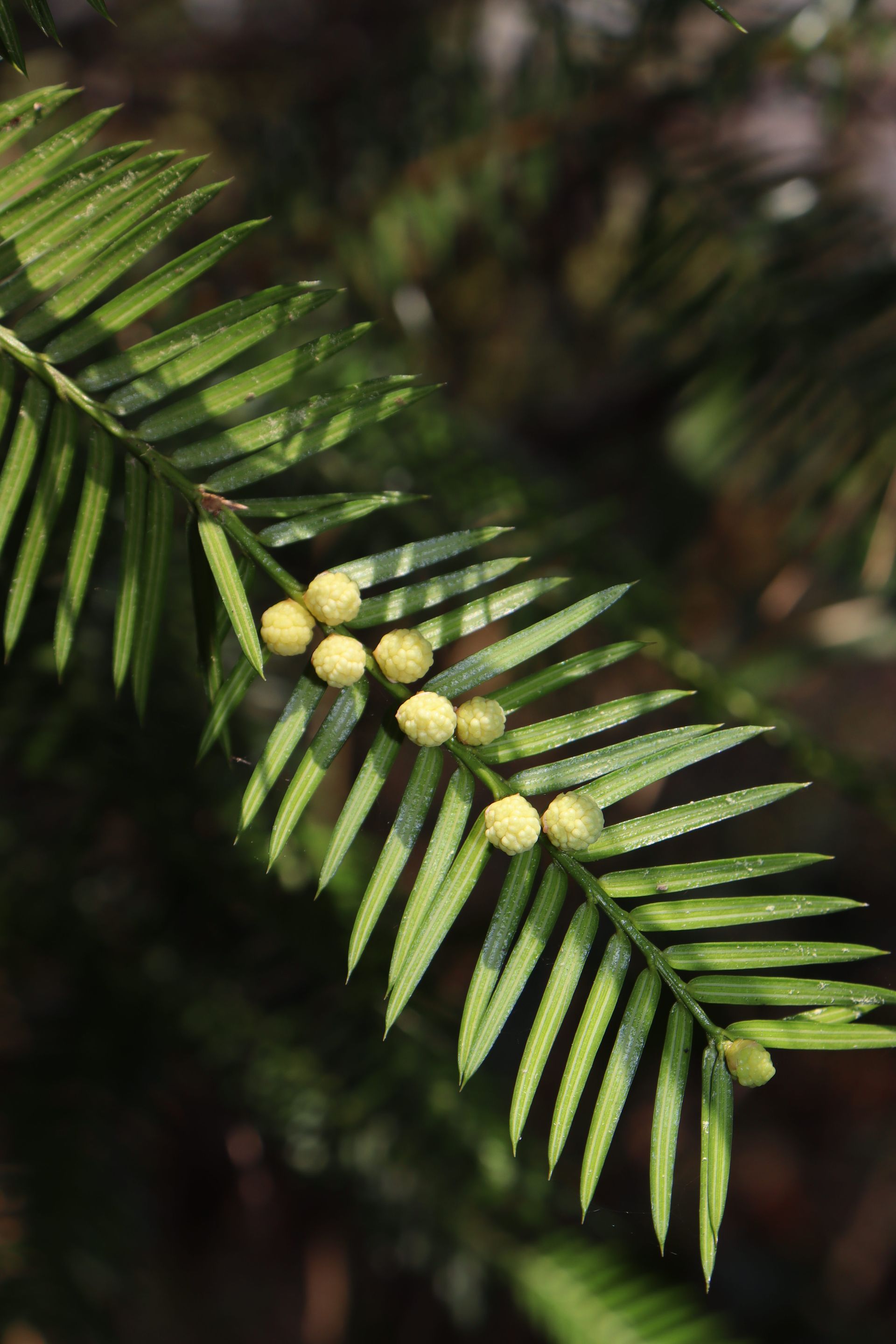
A small to medium-sized evergreen tree in the Yew family, with a single upright trunk and pyramidal crown. Their needle-like leaves are stiff, glossy, and green, with sharp tips, and give off a strong, skunky odor when crushed. Dioecious; male and female cones on separate plants.
Habitat:
Narrowly restricted to the bluffs and ravines on the eastern side of the Apalachicola River north of Bristol, FL, with the most northern populations occurring just above the county line along Lake Seminole in Georgia. They typically occur mid-slope in the ravines and steepheads along the river, sometimes occurring along the creeks at the base of the ravines, and occasionally closer to the upland bluffs. The ravines are home to a diversity of (mostly) hardwood species: Sourwood, Tulip Poplar, Southern Magnolia, American Beech, Florida Maple, Pyramid Magnolia, Spruce Pine, Pignut Hickory, Mockernut Hickory, White Oak, American Holly, Red Cedar, Sweetbay, etc.
Conservation
Conservation Issue:
Once a common component of these ravines, Torreya experienced a sudden and steep decline due to an introduced fungal pathogen beginning in the 1940s. All mature trees were dead by 1962, with only resprouts from the roots of previous trees remaining. In 2011, the novel fungus was described and named as Fusarium torreyae. All known living material of Torreya is considered infected with this systemic fungal pathogen, and much evidence supports the fact that it can infect other genera, so planting outside of its native range is discouraged. Planted specimens can appear healthy for decades due to lack of stress, but when eventually and inevitably stressed, the fungus begins to appear in weeping cankers and leaf spots, and they too die back to the roots. The resprouts remaining in the wild are also infected, and typically die back before reaching sexual maturity. We don't know how many times these roots can keep resprouting, but they continue declining in numbers.
Other factors such as habitat loss and degradation, and changes in hydrology, due to silviculture and development in the region, along with invasive species, also threaten Torreya.
Conservation Goals:
1) Surveying privately owned properties for Torreya within its range to develop a better understanding of its distribution, current survival status, collect location data, health and habitat data, DNA, and cuttings for ex-situ conservation.
2) Collect data and samples of Fusarium torreyae cankers for researchers at collaborating institutions to further understand, and hopefully treat, this introduced fungal pathogen.
3) Collect data and samples of Parvodontia relampaga, a recently described fungus spreading in Florida that we have documented causing dieback on numerous Torreya, for researchers at collaborating institutions.
4) Build relationships with local landowners, providing guidance and resources for best land management practices to protect Torreya on their property - including invasive plant identification and management.
5) Install and monitor Torreya seed plots and planted saplings on public and private properties with ideal habitats within its native range.
6) Provide scientifically accurate education on the status and plight of Torreya taxifolia via social media, presentations, and field trips.
Would you like to help save Florida endangered plants? Let us know and we will contact you when opportunities arise. This work involved being outside and potentially navigating challenging terrain. Our staff is happy to offer training and education to prepare you for your field day.
