

Native Plant Communities
Conservation & Good Management Are Critical
Introduction
Plant communities are integral components of ecosystems. Ecosystems are generally classified according to major environmental factors, including:
- Climate
- Geology
- Topography and physiographic position
- Soil
- Drainage
- Disturbance regime (e.g., fire frequency)
- Biota (insects, fungi, decomposers, wildlife, etc.)
- Plants
- Biogeography (history, including plate tectonics, ice ages, human influence, etc.)
These factors interact continuously, each influencing and shaping the others. Ecosystems often occur as repeating units across the landscape, but they are not necessarily stable in composition or function over time. They should not be regarded as “super-organisms,” yet neither are they merely collections of plants responding independently to environmental gradients. Instead, ecosystems represent dynamic, interconnected systems where physical and biological elements co-evolve and adapt.
Click to learn about different Florida plant communities or scroll through the page to see all the wonderful unique diversity to be explored.
Xeric (Very Dry) Uplands
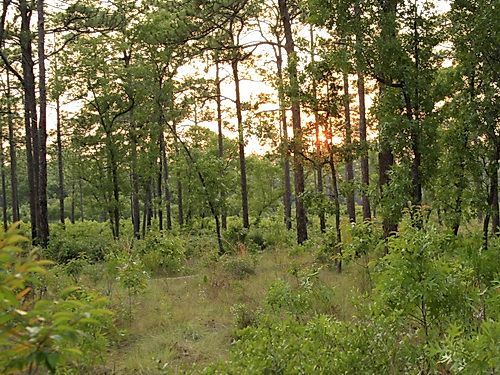
High Pine
Write a short description.
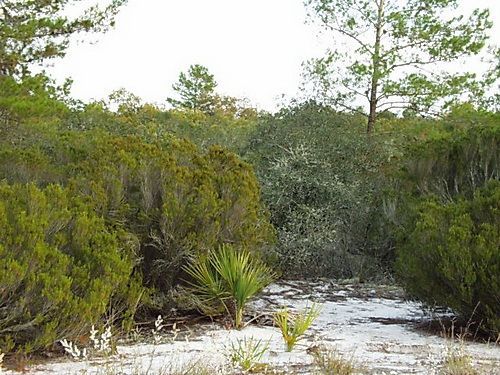
Scrub
Write a short description.
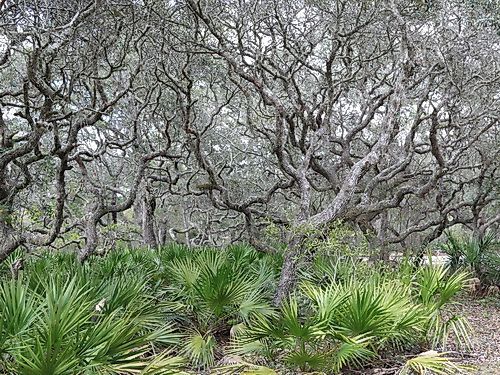
Xeric Hammock
Write a short description.
Somewhat Dry Uplands
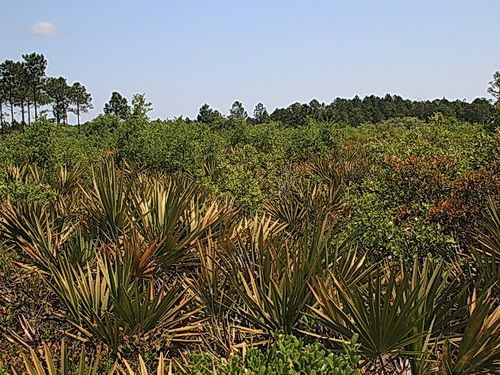
Scrubby Flatwood
Write a short description.
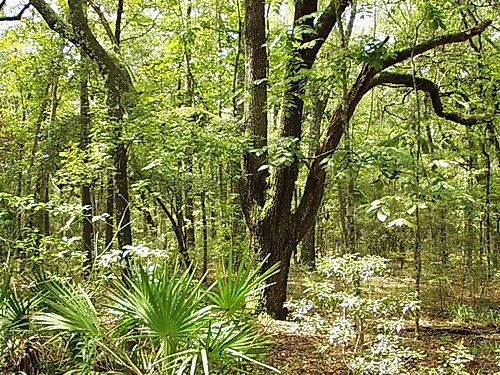
Dry Mesic Hardwood
Dry Mesic Hammock, Pine-Oak-Hickory Woods, Upland Hardwoods, Temperate Hardwoods
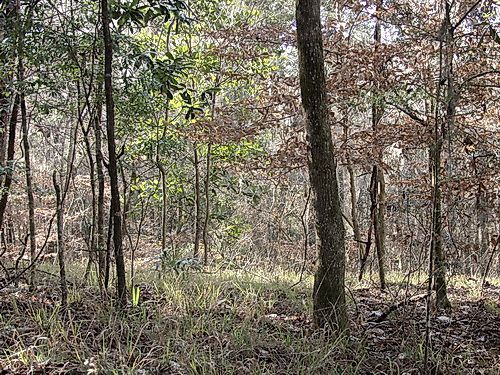
Mesic Hardwood
Mesic Hammock, Piedmont Forest, Beech-Magnolia Forest
Moist Uplands
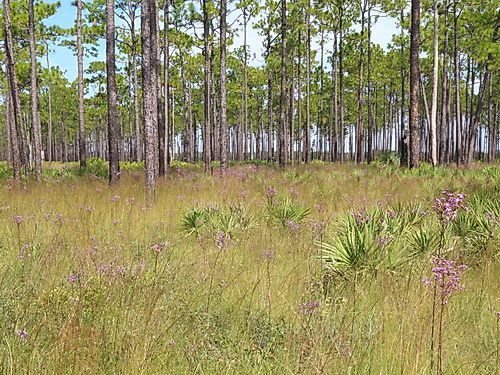
Mesic Flatwood
Write a short description.
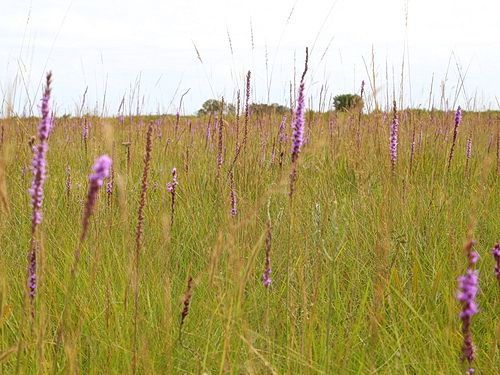
Dry Prairie
Write a short description.
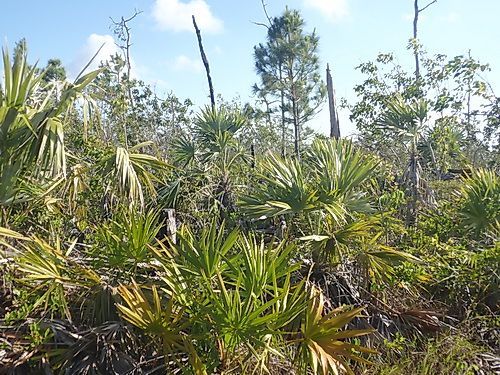
Rocklands
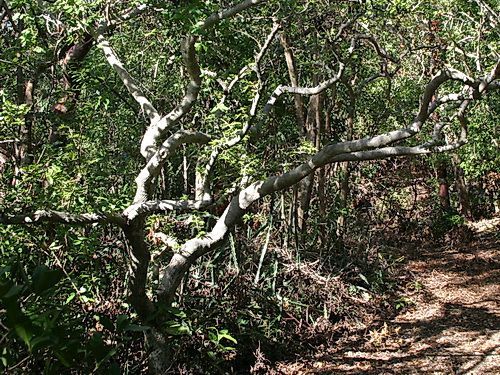
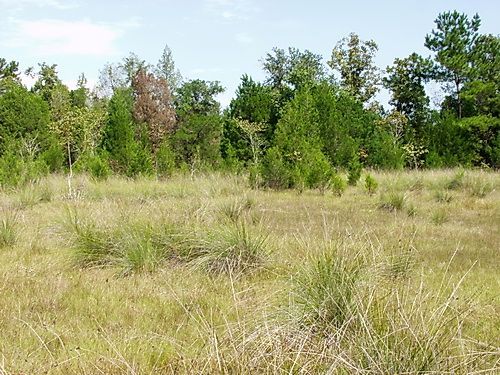
Wet Flatlands
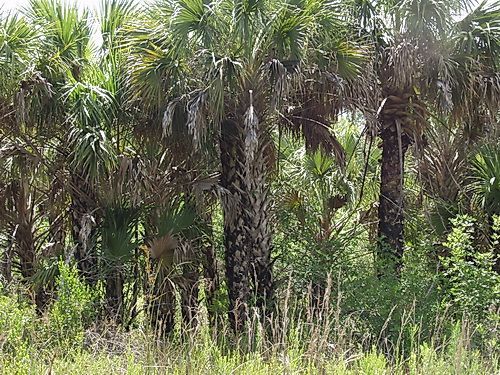
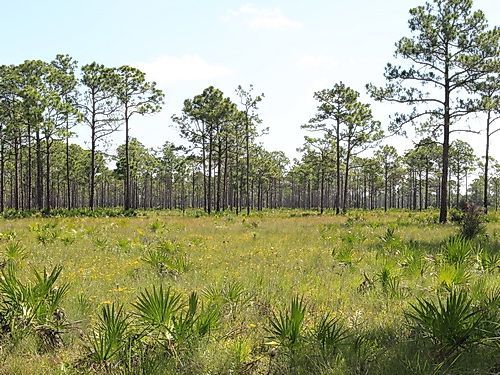
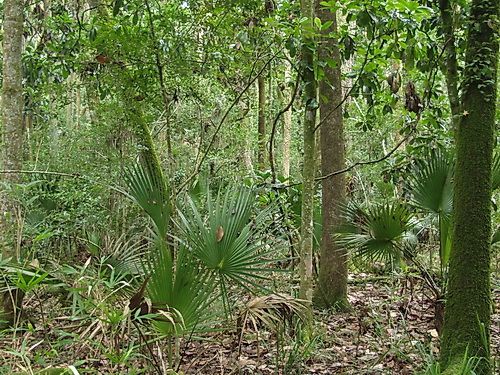
Basin Wetlands
Seepage Wetlands
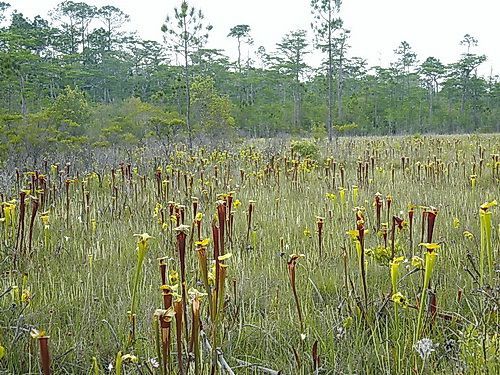
Wet Prairie
Write a short description.
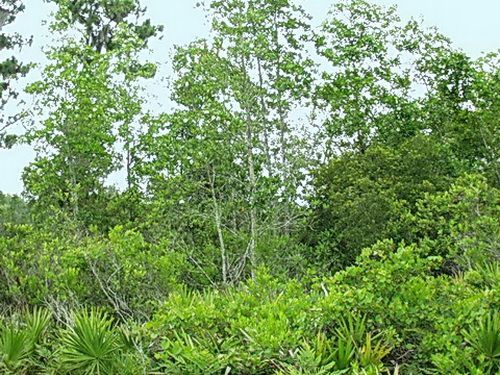
Baygall
Forested Seep Slope
Wetlands With Slow Moving Water
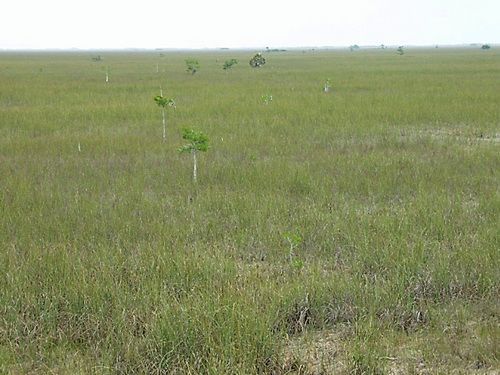
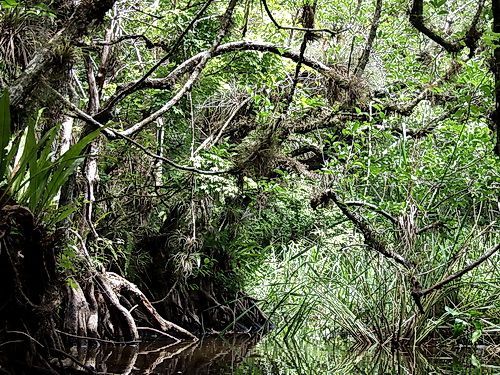
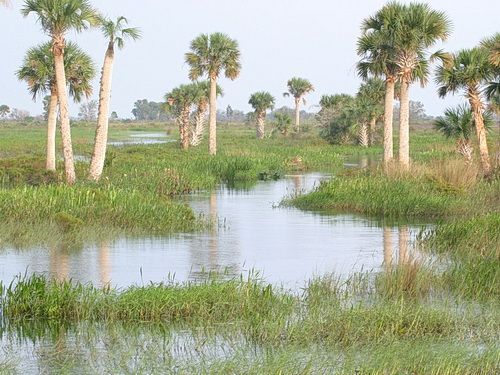
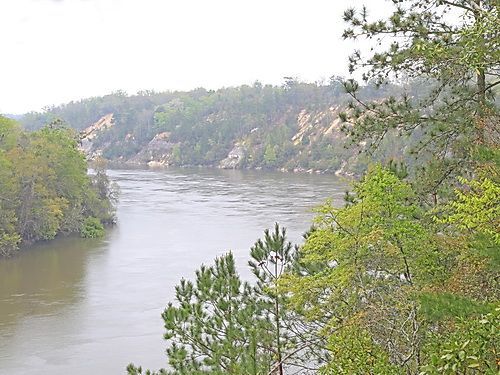
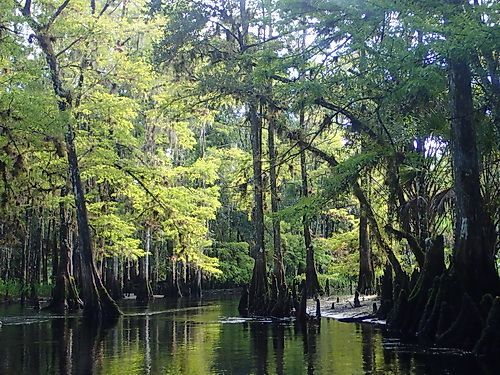
Floodplain Wetlands
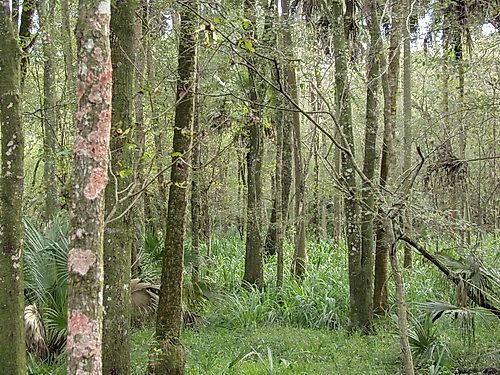
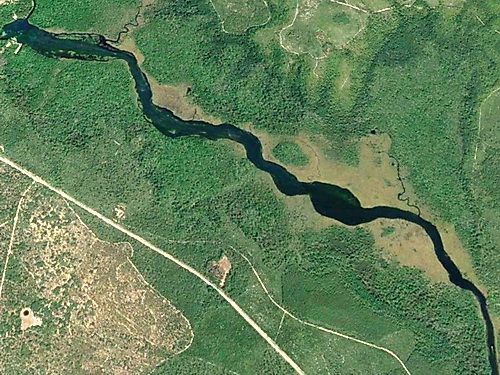
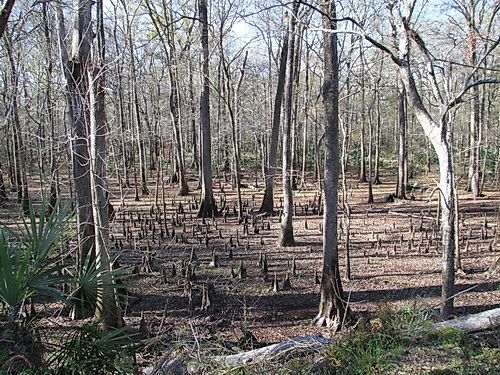
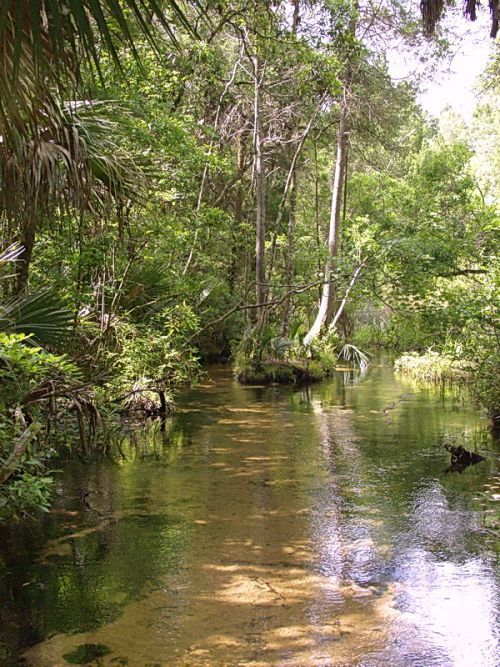
Streams
Lakes and Ponds
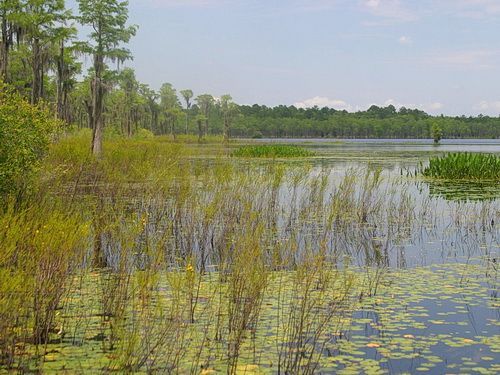
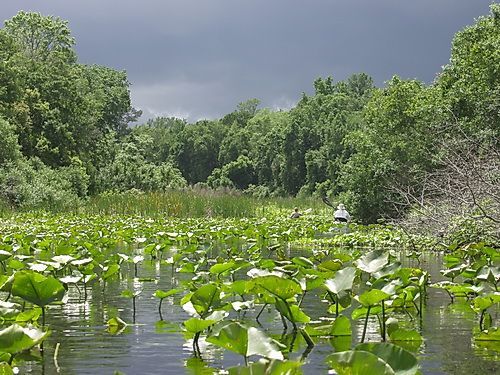
Acidic, Low Nutrient Lake
Low Alkalinitiy Lakes, Low Nutrient Lakes, Acidic, Oligotrophic Lakes
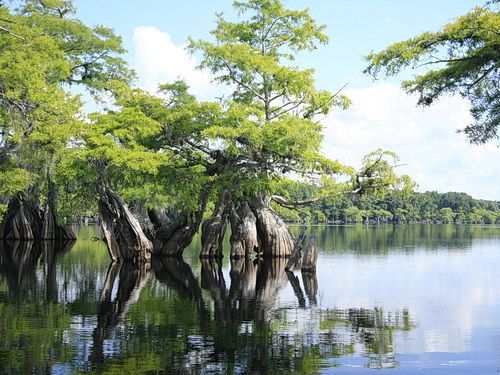
Alkaline, Low Nutrient Lake
Forested Seep Slope
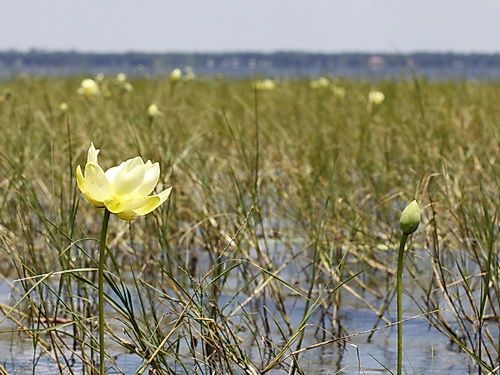
Coastal Uplands
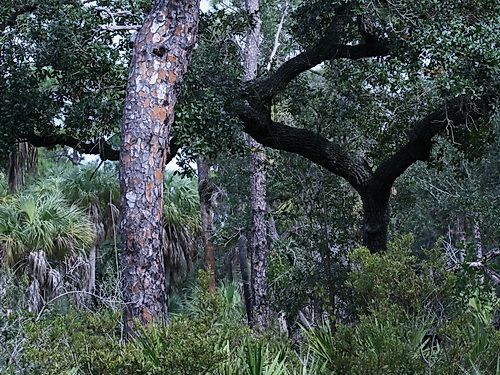
Coastal Wetlands