


Florida's Native Plant Communities
Floodplain Marsh
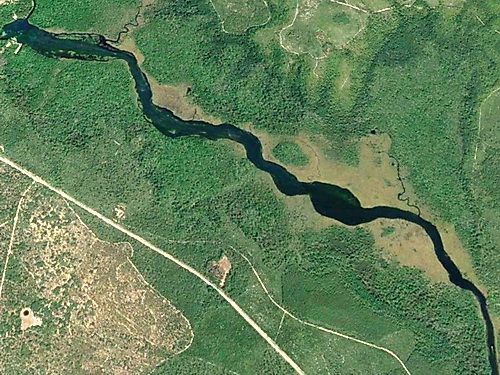
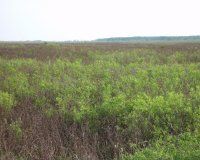
Photographs belong to the photographers who allow use for FNPS purposes only.
Information
Community Variants:
N/A
Description:
Floodplain marshes occur on organic, sandy, or alluvial substrates and are seasonally inundated. They are most common in subtropical settings. Fire is frequent to occasional and helps maintain the open character of these systems.
Typical vegetation includes maidencane ( Panicum hemitomon ), pickerelweed ( Pontederia cordata ), arrowheads ( Sagittaria spp.), buttonbush ( Cephalanthus occidentalis ), and a variety of mixed emergent species.
References:
Clewell, A. F. (1986). Natural setting and vegetation of the Florida Panhandle: An account of the environments and plant communities of northern Florida west of the Suwannee River (Report No. COESAM/PDEI-86/001). U.S. Army Corps of Engineers, Mobile District.
Florida Department of Environmental Protection. (1992). Soil and water relationships of Florida's ecological communities. http://www.dep.state.fl.us/water/wetlands/delineation/docs/soil-and-water.pdf
Florida Natural Areas Inventory. (2010). Guide to the natural communities of Florida: 2010 edition. Florida Natural Areas Inventory. http://fnai.org/naturalcommguide.cfm
Gann, G. D., Bradley, K. A., & Woodmansee, S. W. (2009). Floristic inventory of South Florida database. Institute for Regional Conservation. http://regionalconservation.org/ircs/database/database.asp
Knight, G. R., Oetting, J. B., & Cross, L. (2011). Atlas of Florida's natural heritage: Biodiversity, landscapes, stewardship and opportunities. Institute of Science and Public Affairs, Florida State University.
Myers, R. L., & Ewel, J. J. (Eds.). (1990). Ecosystems of Florida. University of Central Florida Press.
Simons, R. W. (1990). Terrestrial and freshwater habitats. In S. H. Wolfe (Ed.), An ecological characterization of the Florida Springs Coast: Pithlachascotee to Waccasassa Rivers (Biological Report 90[21], pp. 99–157). U.S. Fish and Wildlife Service.
U.S. Department of Agriculture, Soil Conservation Service. (198-). 26 ecological communities of Florida. http://ufdc.ufl.edu/UF00000110/00001
Whitney, E. N., Means, D. B., & Rudloe, A. (2004). Priceless Florida: Natural ecosystems and native species. Pineapple Press.
Click to learn about different Florida plant communities or scroll through the page to see all the wonderful unique diversity to be explored.
