


Base de datos de plantas del FNPS
Calycanthus floridus

Nomenclatura
Nombre común:
Sinónimo(s):
Especie del género:
Familia:
Calycanthaceae
Especificaciones de la planta
Forma:
Tamaño:
Esperanza de vida:
Long-lived perennial
Color de la flor:
Color de la fruta:
Fenología:
Destacado por:
Paisajismo
Usos recomendados:
Consideraciones:
Disponibilidad:
Propagación:
Luz:
Tolerancia a la humedad:
Siempre inundado---------------------------------Extremadamente seco
□□□□□□□□□■■■■■■■■■■■■■■■■■■□□□□□□□□□□□□□□□
Stays wet -a- Not wet but not extremely dry
Tolerancia a inundaciones por agua salada:
Not salt tolerant of inundation by salty or brackish water
Tolerancia a la niebla salina/suelo salado:
Low/no tolerance of salty wind or direct salt spray
Suelo u otro sustrato:
Sand, Loam
pH del suelo:
Apto para cultivo en:
8A,8B,9A,9B,10A,10B
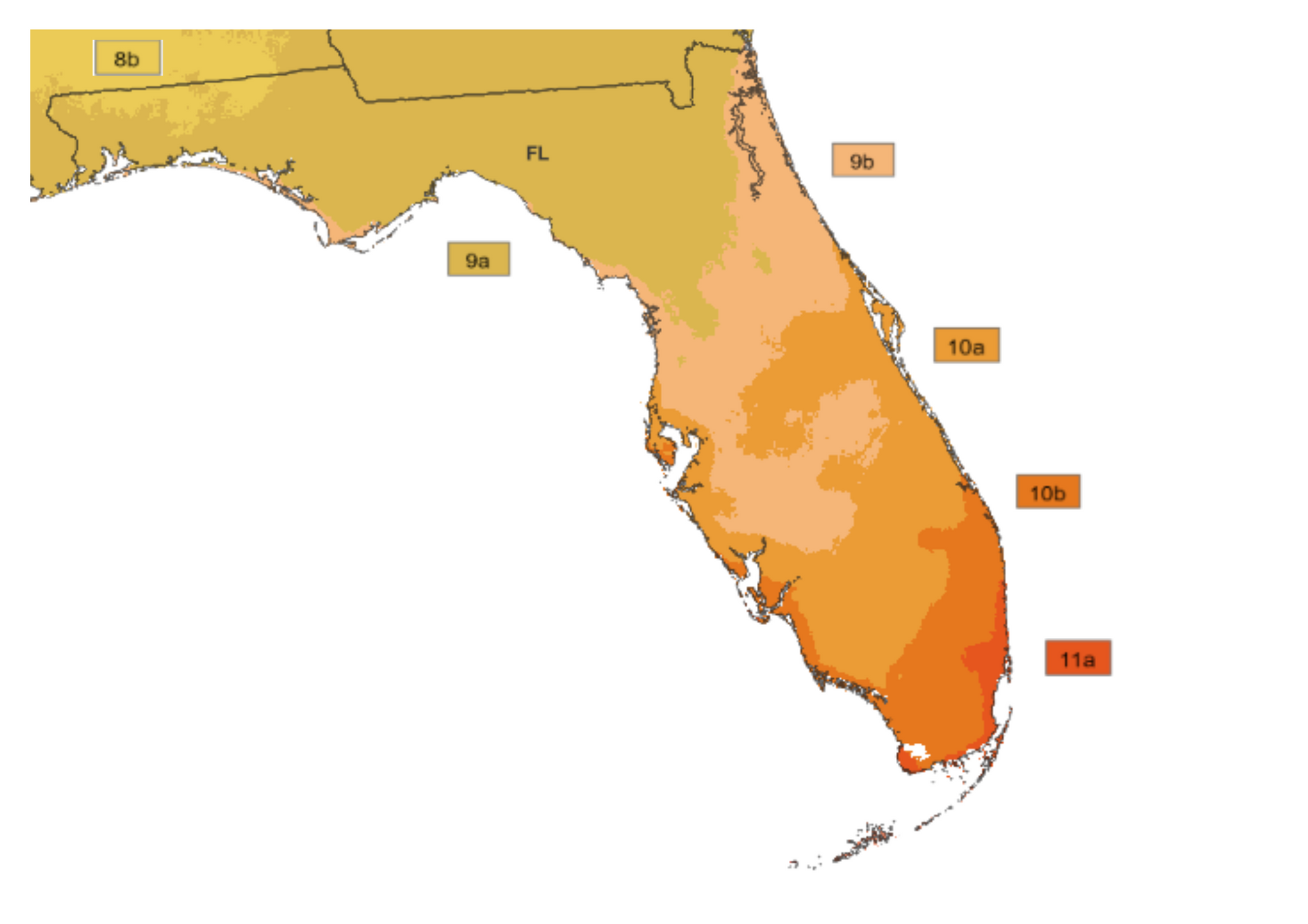
Las zonas del USDA se basan en la temperatura mínima extrema invernal anual promedio.
¿No conoces tu zona? Haz clic aquí para buscar por código postal.
Acreditado en:
Ecología
Fauna:
Mostly pollinated by sap beetles. The beetles are drawn by the scent of fermentation, and they work their way into the shade of the overlapping tepals to find food. The flowers are easy to enter but difficult to depart. Once trapped inside, the beetle picks up pollen. After the flower is pollinated, the inner parts of the flower fold back to release the beetle. By that point, the stigmas will have withered, and the beetle will move on to another flower in search of more food, ensuring cross-pollination (Arnold Arboretum).
Hábitats nativos:
Comentarios:
Etnobotánica:
Comentarios generales:
Citas:
Haehle, Robert G. and Joan Brookwell. (1999). Native Florida Plants. Gulf Publishing Company. Houston, TX.
Nelson, Gil. (2003). Florida's Best Landscape Plants: 200 Readily Available Species for Homeowners and Professionals. University Press of Florida, Gainesville, FL.
Osorio, Rufino. (2001). A Gardener's Guide to Florida's Native Plants. University Press of Florida, Gainesville, FL.
University of Tennessee Extension Service. (2010). Desired pH Range and salt tolerance of common nursery plants. ( https://plantsciences.tennessee.edu/wp-content/uploads/sites/25/2021/10/Desired-pH-Range-List.pdf). Accessed 2025. University of Tennessee Extension, Knoxville, TN.
Walker, H. and J. Gagliardi. (2018). Shrubs and the Pollinators who Love Them. ( https://arboretum.harvard.edu/arnoldia-stories/shrubs-and-the-pollinators-who-love-them/). Accessed 2026. Arnold Arboretum, Harvard University, Boston, MA.
Wunderlin, R. P, B. F. Hansen, A. R. Franck, and F. B. Essig. (1999+). Atlas of Florida Plants. ( https://florida.plantatlas.usf.edu/). [S. M. Landry and K. N. Campbell (application development), USF Water Institute.] Institute for Systematic Botany, University of South Florida, Tampa, FL.

