


Base de datos de plantas del FNPS
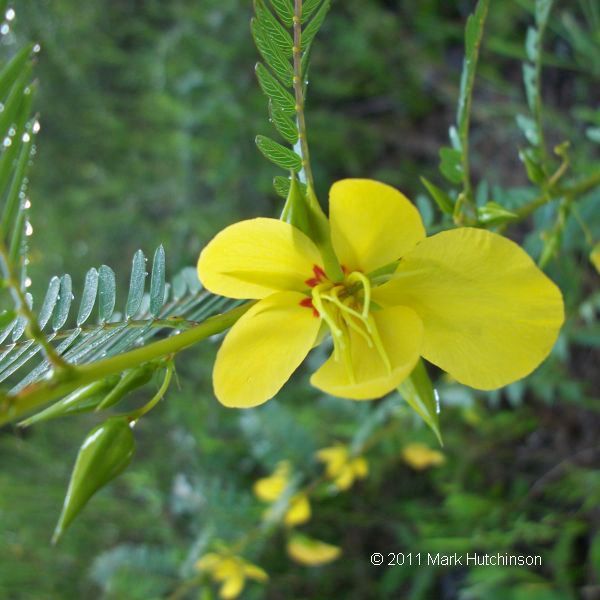
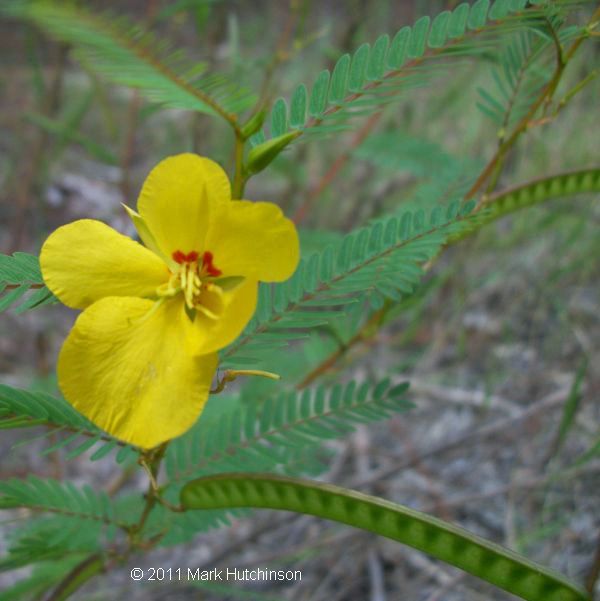
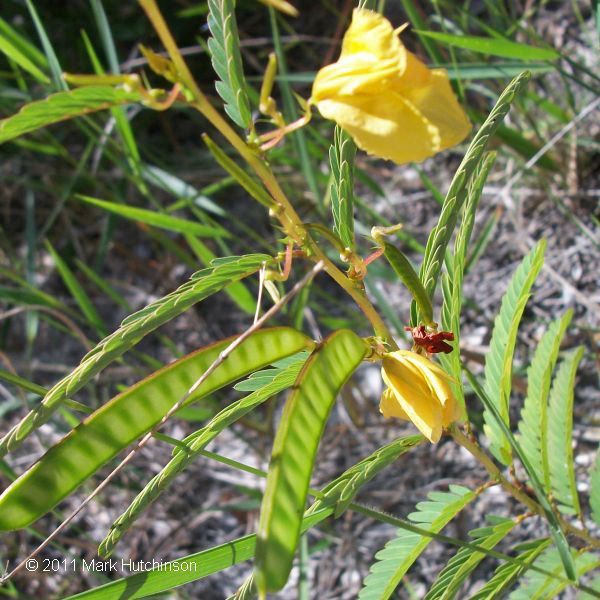
Chamaecrista fasciculata
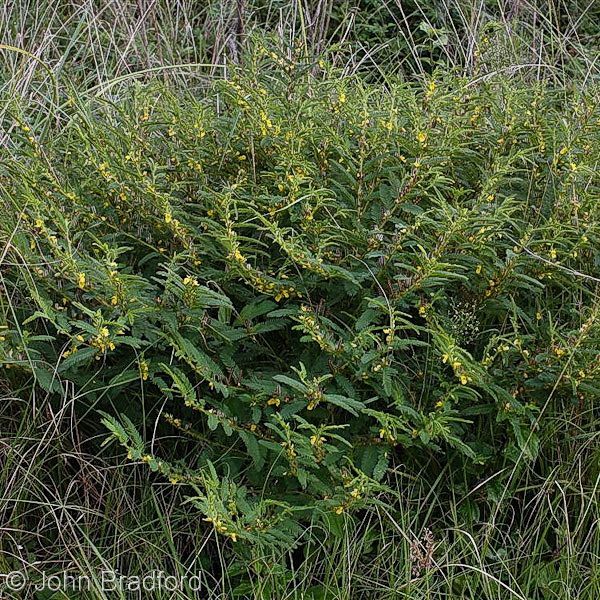
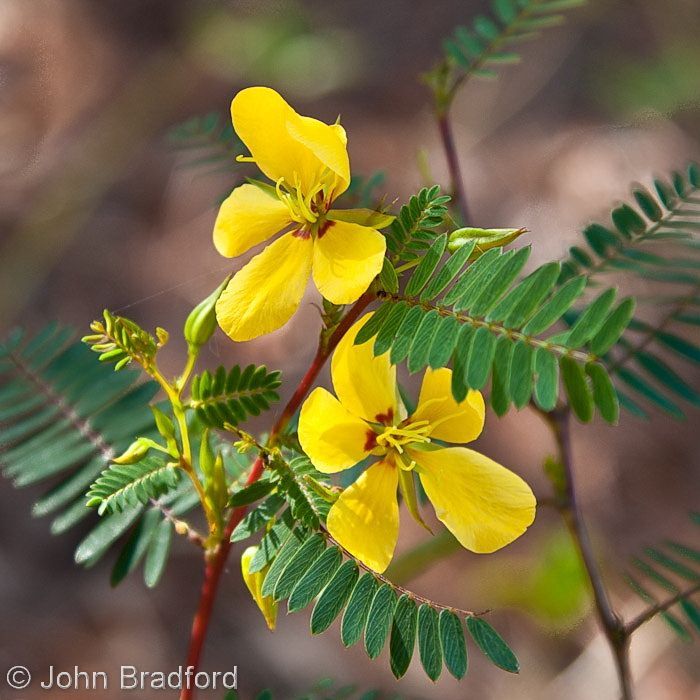
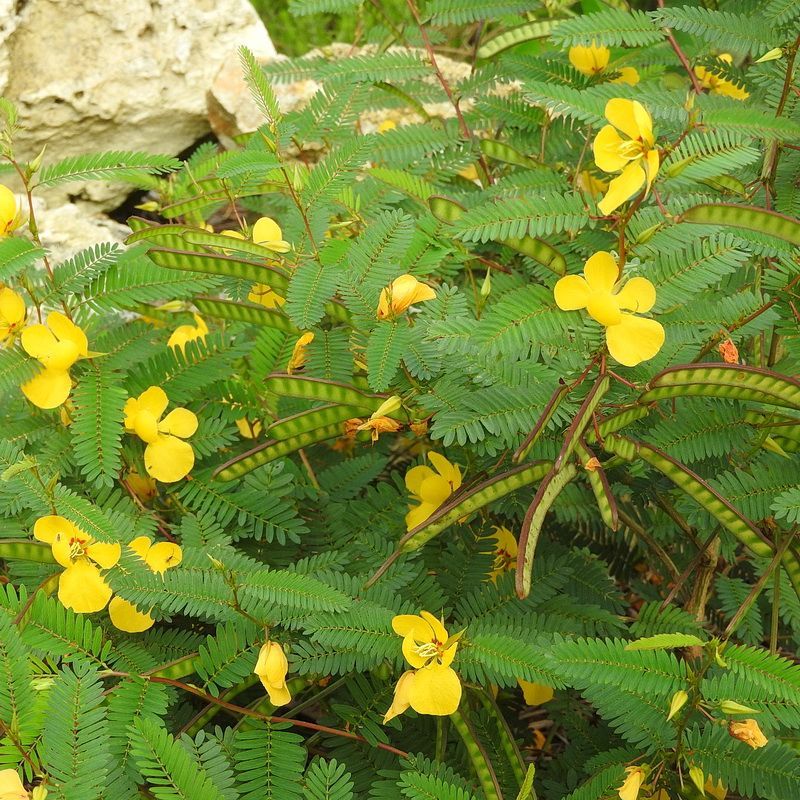
Nomenclatura
Nombre común:
Sinónimo(s):
Especie del género:
Familia:
Fabaceae (Leguminosae)
Especificaciones de la planta
Forma:
Tamaño:
Esperanza de vida:
Long-lived perennial
Color de la flor:
Color de la fruta:
Fenología:
Destacado por:
Paisajismo
Usos recomendados:
Consideraciones:
Disponibilidad:
Propagación:
Luz:
Tolerancia a la humedad:
Siempre inundado---------------------------------Extremadamente seco
□□□□□□□□□□□□□□□□□□□□□□□□■■■■■■■■■■■■■■■□□□
Not wet but not extremely dry -a- Very long very dry periods
Tolerancia a inundaciones por agua salada:
Not salt tolerant of inundation by salty or brackish water
Tolerancia a la niebla salina/suelo salado:
Some tolerance to salty wind but not direct salt spray
Suelo u otro sustrato:
Sand
pH del suelo:
Apto para cultivo en:
8A,8B,9A,9B,10A,10B
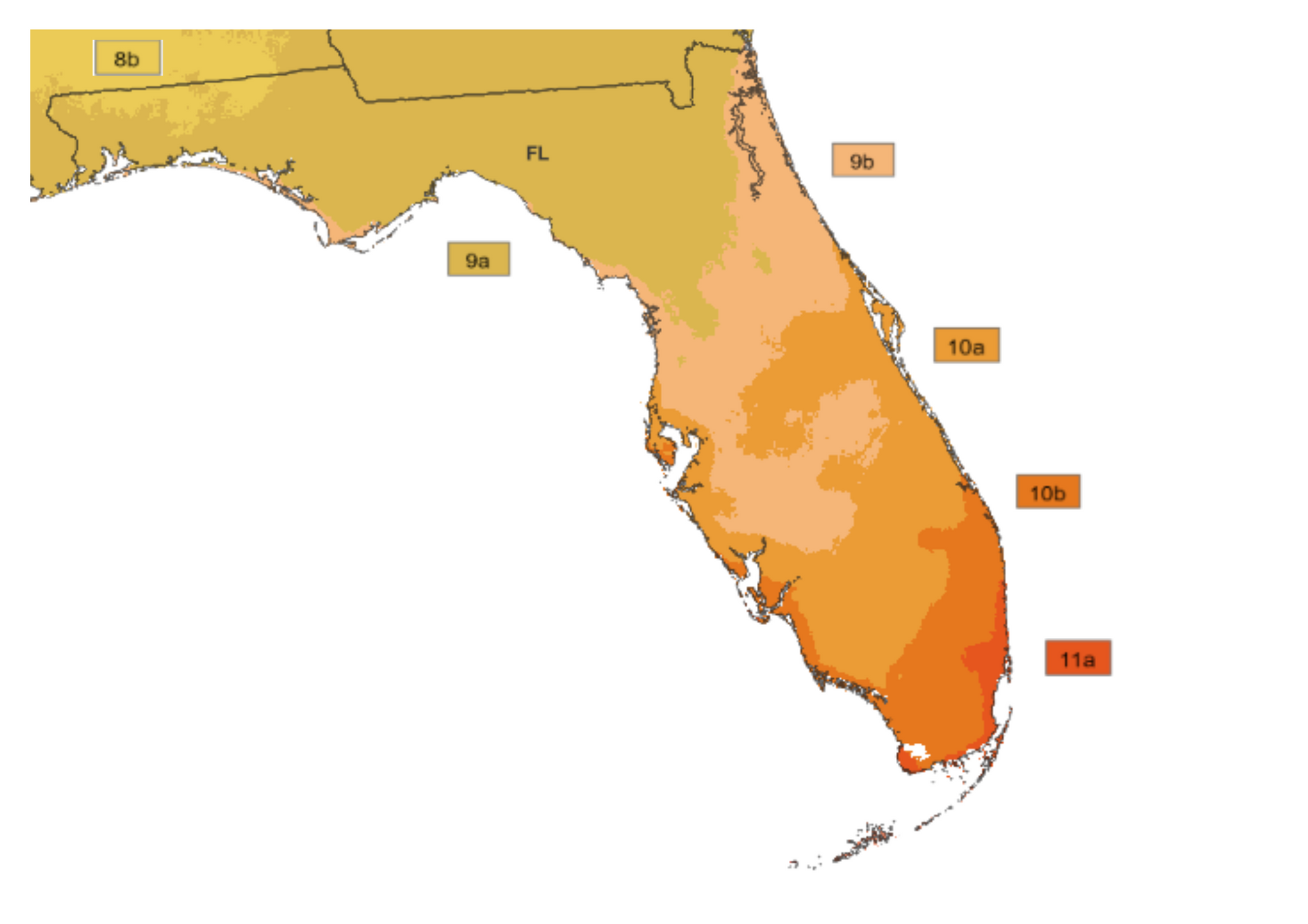
Las zonas del USDA se basan en la temperatura mínima extrema invernal anual promedio.
¿No conoces tu zona? Haz clic aquí para buscar por código postal.
Acreditado en:
Ecología
Fauna:
Larval host for cloudless sulfur ( Phoebis senna ), gray hairstreak ( Strymon melinus ), orange sulphur ( Colias eurytheme ), sleepy orange ( Abaeis nicippe ), little yellow ( Eurema lisa ) and ceraunus blue ( Hemiargus ceraunus ) butterflies. Long-tongued bees are responsible for pollination of the flowers, which includes such visitors as honeybees, bumblebees, long-horned bees ( Melissodes spp.), and leaf-cutting bees ( Megachile spp.). They are attracted to the food pollen of the purple anthers, and are then dusted by the reproductive pollen of the yellow anthers. Two species of bees, Anthophora walshii and Svastra atripes atripes , are oligoleges of Partridge Pea. Sometimes leaf-cutting bees cut off portions of the petals for their brood chambers. The flowers are usually cross-pollinated by insects, but sometimes they are self-pollinating. Petiolar nectaries attract Halictid bees, wasps, flies, and ants. Unusual visitors to the nectaries are velvet ants (Mutillidae), which are hairy wingless female wasps. Bee species documented in Florida include Augochlora pura, Augochloropsis inetallica, A. sumptuosa, Lassioglossum coreopsis, L. miniatulum, Megachile brevis pseudobrevis, M mendica, Bombus impatiens , and Xylocopa micans (Deyrup et al. 2002).
Birds and other wildlife consume seed which is reported to be particularly important for the bobwhite.
Hábitats nativos:
Comentarios:
Etnobotánica:
Comentarios generales:
Citas:
Haehle, Robert G. and Joan Brookwell. (1999). Native Florida Plants. Gulf Publishing Company. Houston, TX.
Hilty, John. (2002-2018). Prairie Wildflowers of Illinois: Partridge Pea. ( https://www.illinoiswildflowers.info/prairie/plantx/part_peax.htm. Accessed 2026.
Huegel, Craig N. (2009-2025). Native Florida Wildflowers (blog). ( http://hawthornhillwildflowers.blogspot.com/).
Huegel, Craig N. (2012). Native Wildflowers and Other Ground Covers for Florida Landscapes. University Press of Florida, Gainesville, FL.
Minno, Marc and Maria Minno. (1999). Florida Butterfly Gardening: A Complete Guide to Attracting, Identifying, and Enjoying Butterflies. University Press of Florida, Gainesville, FL.
Minno, M., J. Butler, and D. Hall. (2005). Florida Butterfly Caterpillars and Their Host Plants. University Press of Florida, Gainesville, FL.
Osorio, Rufino. (2001). A Gardener's Guide to Florida's Native Plants. University Press of Florida, Gainesville, FL.
Traas, Pamela. (2001). Gardening for Florida's Butterflies. Great Outdoors Publishing Co, St. Petersburg, FL.

