
Base de datos de plantas del FNPS

Cornus amomum
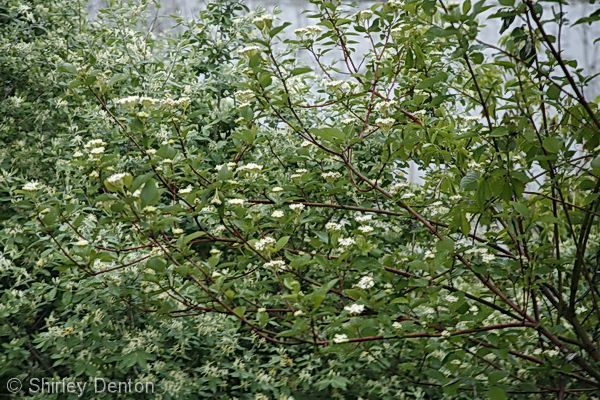
silky dogwood, silky cornel
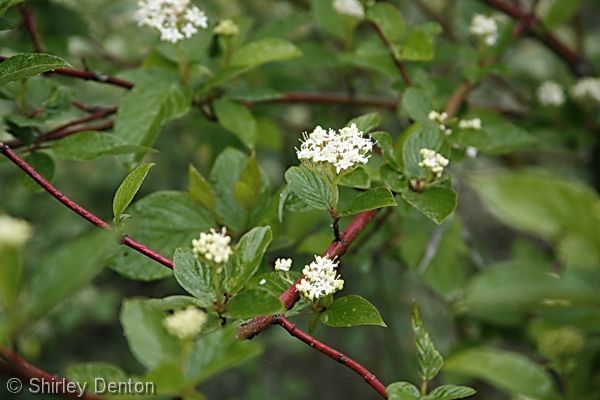
  • Photo by: Shirley Denton, Suncoast Chapter FNPS
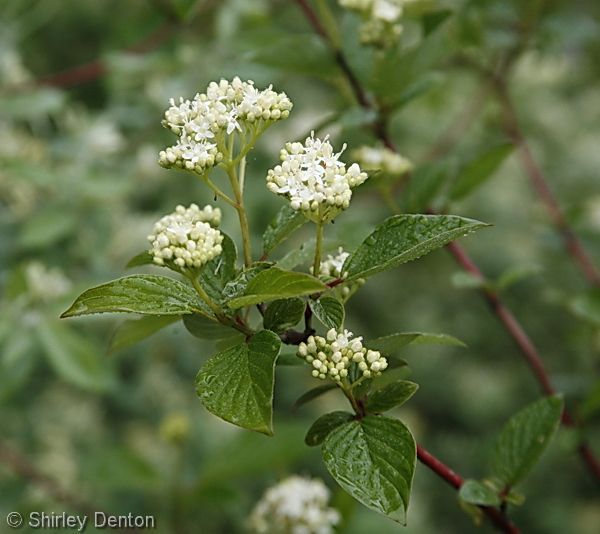
  • Photo by: Shirley Denton, Suncoast Chapter FNPS
  • Photo by: Shirley Denton, Suncoast Chapter FNPS
  • Photo by: Rick Cantrell, Magnolia Chapter FNPS
  • Photo by: Rick Cantrell, Magnolia Chapter FNPS
  • Photo by: Rick Cantrell, Magnolia Chapter FNPS

Nomenclatura

Nombre común:

silky dogwood, silky cornel

Sinónimo(s):

Especie del género:

Cornus amomum

Familia:

Cornaceae

Especificaciones de la planta

Forma:

shrub

Tamaño:

to 10 ft

Esperanza de vida:

Long-lived perennial

Color de la flor:

white

Color de la fruta:

Fenología:

deciduous

Destacado por:

Showy Flowers, Interesting Bark

Paisajismo

Usos recomendados:

Wet site hedge, wet site specimen plant especially if a clump is suitable.

Rarely planted but considerable value especially in areas where most shrubs are bare during the winter.

Consideraciones:

Disponibilidad:

Native Nurseries

Propagación:

Seed, softwood cuttings.

Luz:

Full Sun, Part Sun

Tolerancia a la humedad:

Siempre inundado---------------------------------Extremadamente seco

□□□□□□□□□■■■■■■■■■□□□□□□□□□□□□□□□□□□□□□□□□

Stays wet -a- Usually moist, occasional inundation

Tolerancia a inundaciones por agua salada:

Unknown

Tolerancia a la niebla salina/suelo salado:

Low/no tolerance of salty wind or direct salt spray

Suelo u otro sustrato:

Clay, Loam

pH del suelo:

Apto para cultivo en:
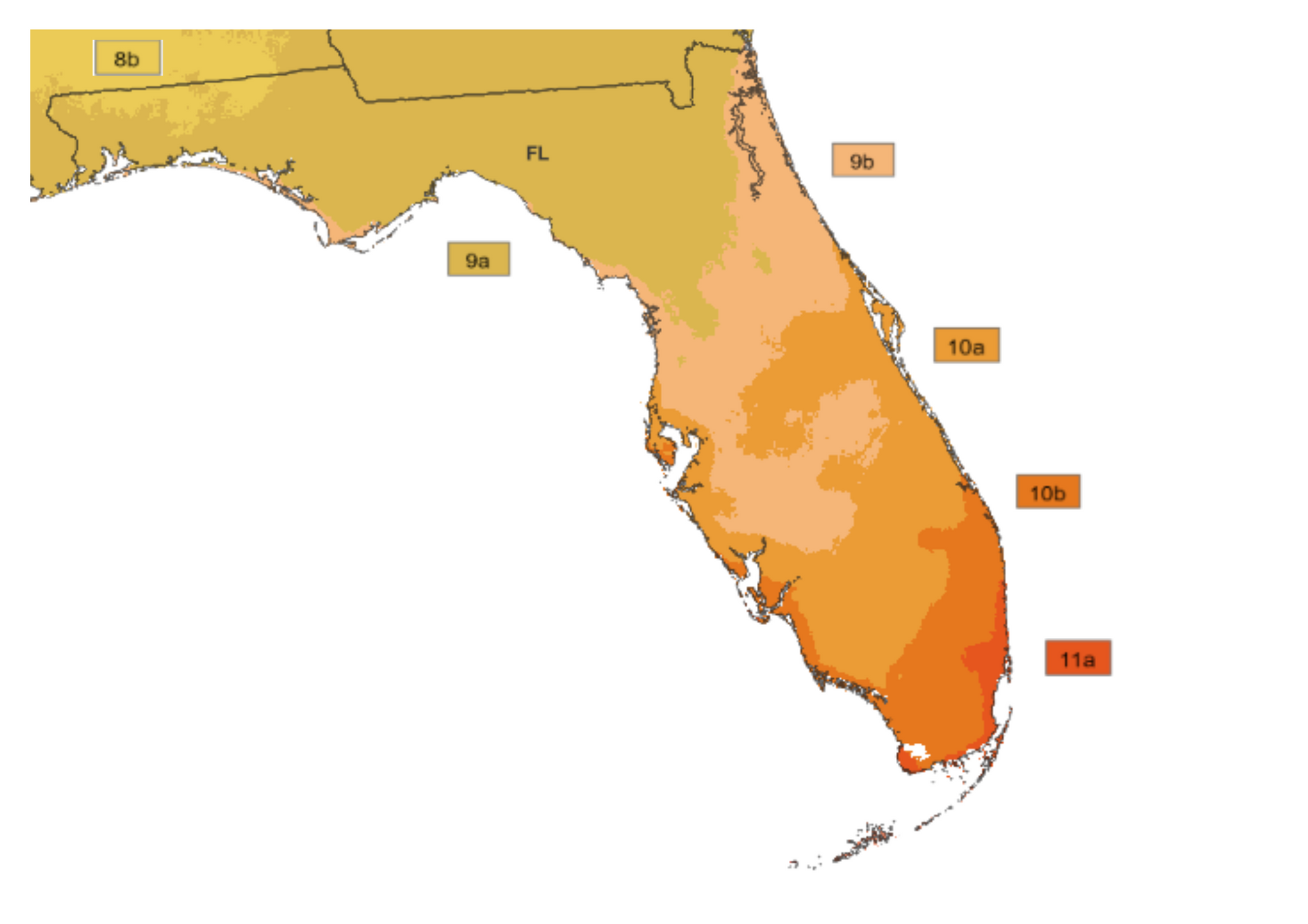
Las zonas del USDA se basan en la temperatura mínima extrema invernal anual promedio.

¿No conoces tu zona? Haz clic aquí para buscar por código postal.

Acreditado en:

Distribution
Vouchered
Not vouchered
Selected
Click a county The county name will appear here.
No county distribution is available for this plant yet.
Starting…
Map coded by Melissa Fernandez-de Cespedes (Paynes Prairie Chapter)

Ecología

Fauna:

Pollinators, Butterflies, Caterpillars, Birds, Mammals

Larval host for cecropia silkmoth ( Hyalophora cecropia ) and spring azure butterfly ( Celastrina ladon ). 


Attracts long-tongued bees, short-tongued bees, wasps, flies, and butterflies. 

 Birds and small mammals consume the fruit.  Fruits used by birds and small mammals. 

Hábitats nativos:

Riverine swamps, natural levees along streams, lake margins. Typically in areas with shallow annual inundation, typically during the winter/early spring season.

Área de distribución natural en Florida:

Comentarios:

Etnobotánica:

Comentarios generales:
Has considerable winter interest as its bark is smooth and red.
FNPS Plant Print

Citas:

Wunderlin, R. P., B. F. Hansen, A. R. Franck, and F. B. Essig. (1999+). Atlas of Florida Plants. ( https://florida.plantatlas.usf.edu/ ). [S. M. Landry and K. N. Campbell (application development), USF Water Institute.] Institute for Systematic Botany, University of South Florida, Tampa.

Solicitar una actualización