


Base de datos de plantas del FNPS
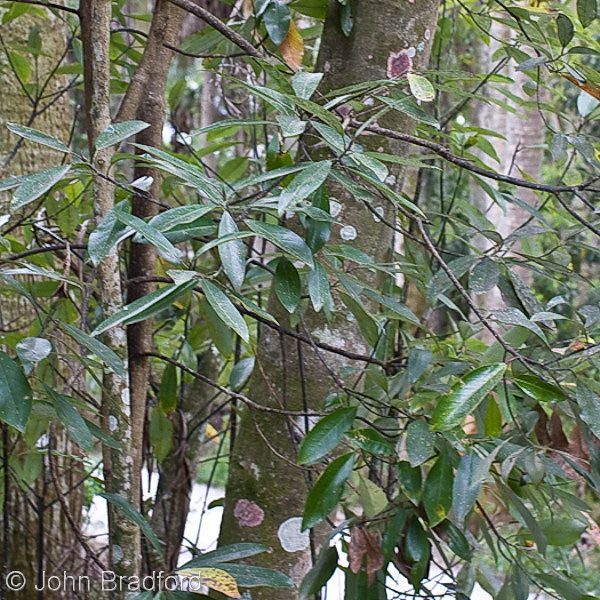
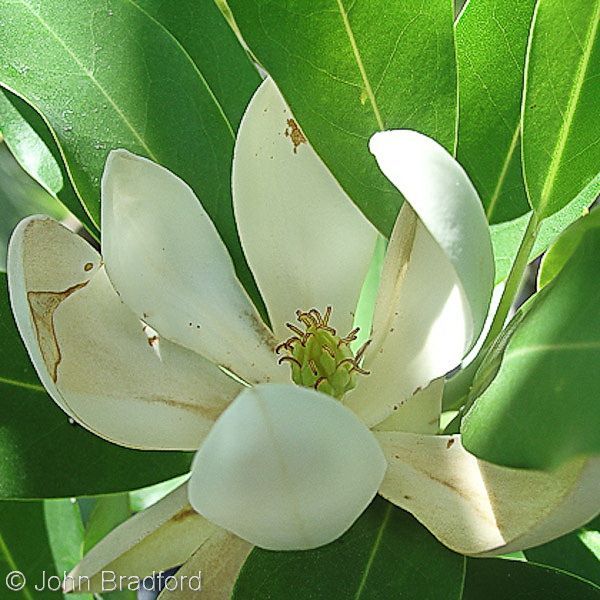
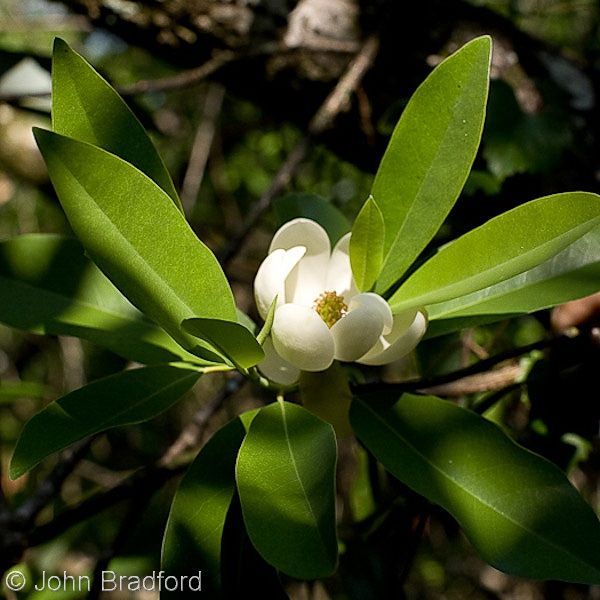
Magnolia virginiana
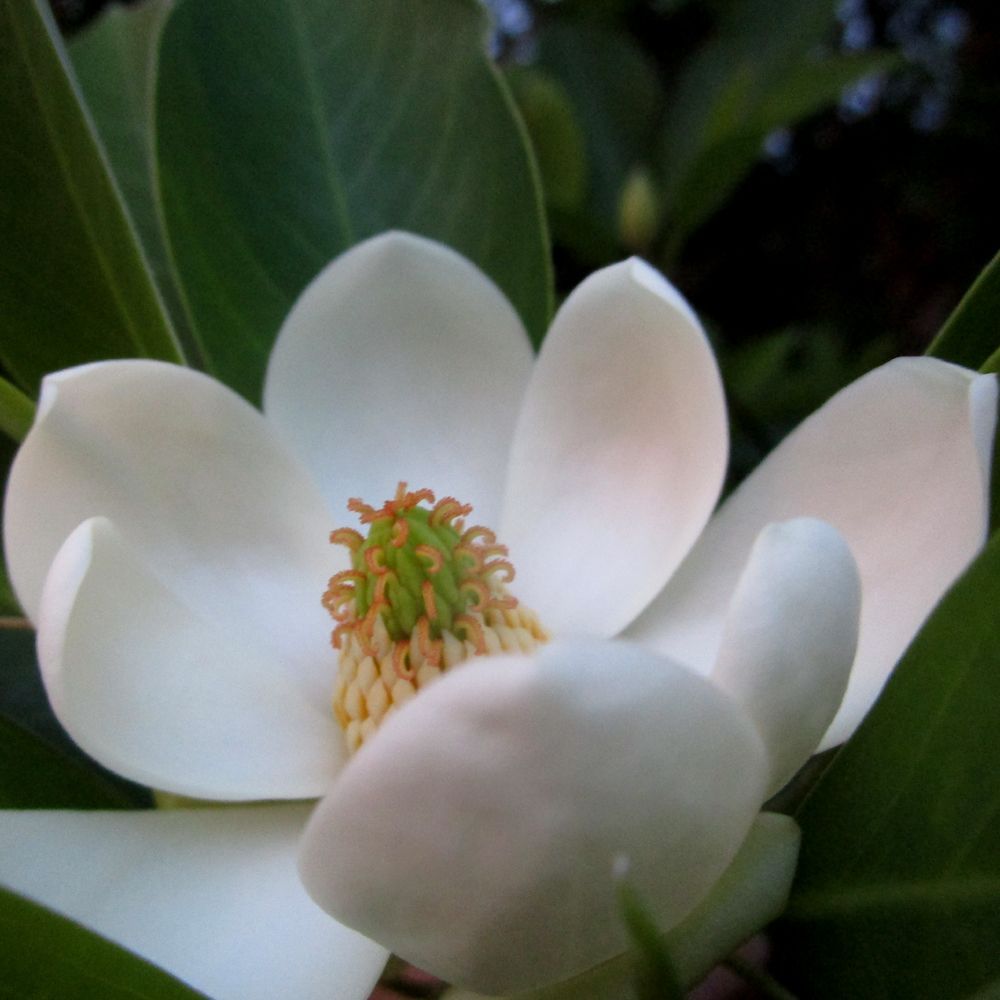
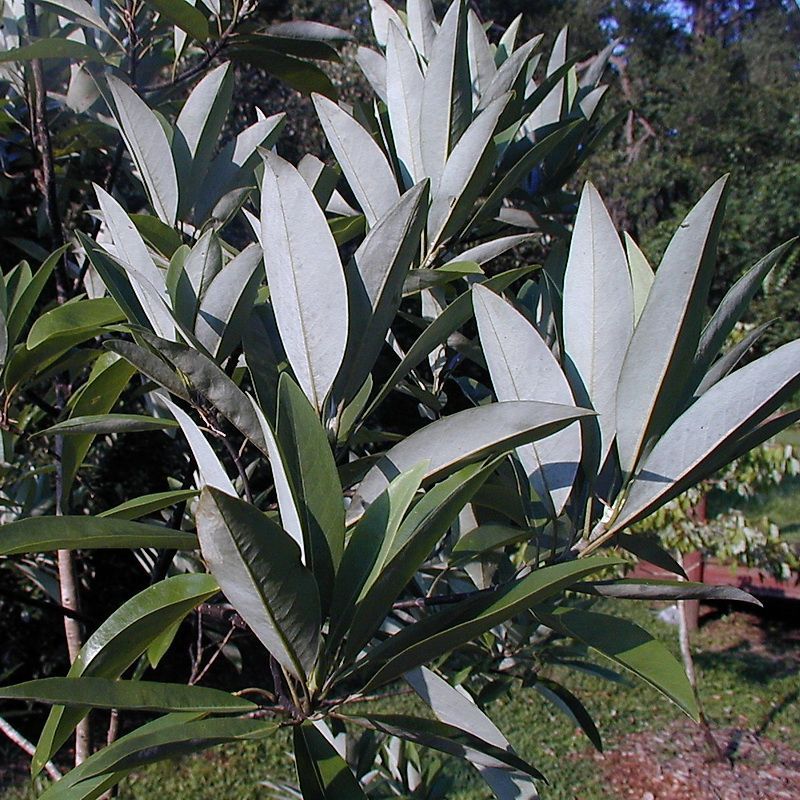
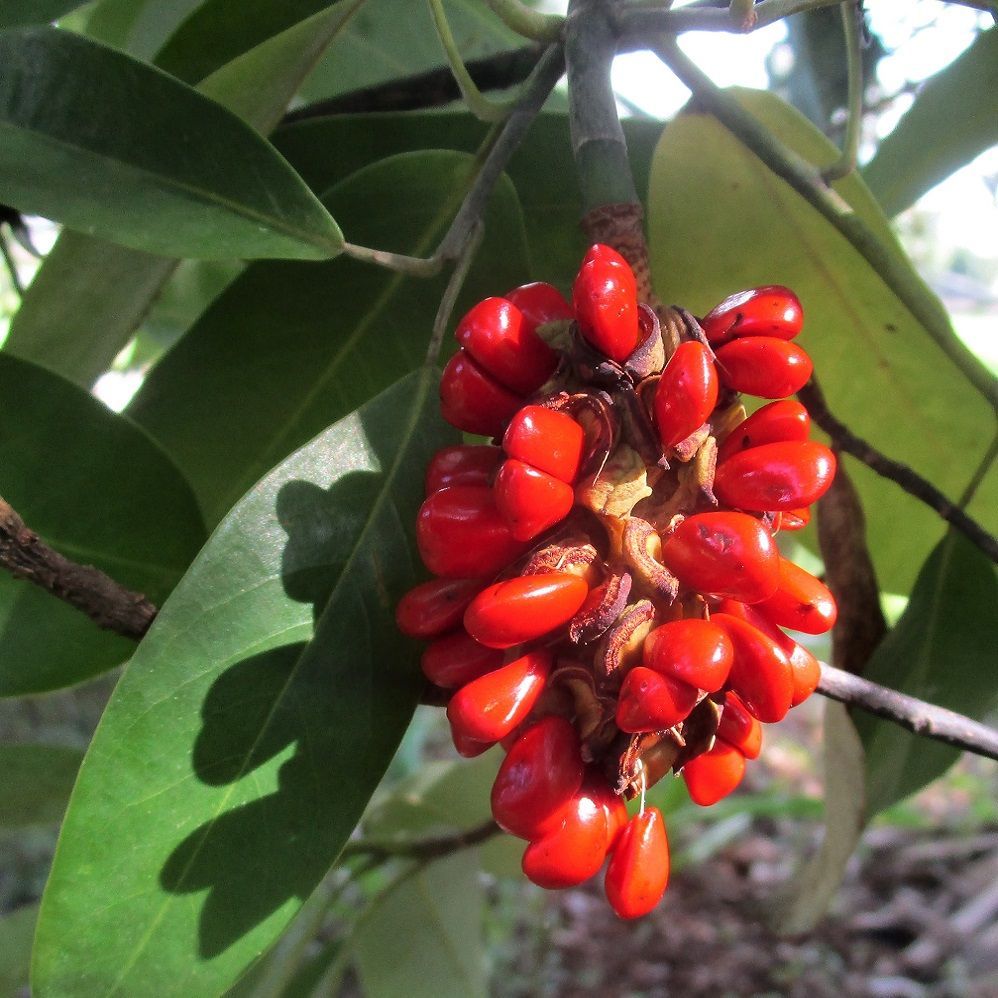
Nomenclatura
Nombre común:
Sinónimo(s):
Especie del género:
Familia:
Magnoliaceae
Especificaciones de la planta
Forma:
Tamaño:
Esperanza de vida:
Long-lived perennial
Color de la flor:
Color de la fruta:
Fenología:
Destacado por:
Paisajismo
Usos recomendados:
Consideraciones:
Disponibilidad:
Propagación:
Luz:
Tolerancia a la humedad:
Siempre inundado---------------------------------Extremadamente seco
□□□□□□□□□■■■■■■■■■■■■■■■□□□□□□□□□□□□□□□□□□
Stays wet -a- Somewhat moist, no flooding
Tolerancia a inundaciones por agua salada:
Tolerant of inundation with brackish water
Tolerancia a la niebla salina/suelo salado:
Low/no tolerance of salty wind or direct salt spray
Suelo u otro sustrato:
Sand, Loam, Organic
pH del suelo:
Apto para cultivo en:
8A,8B,9A,9B,10A,10B
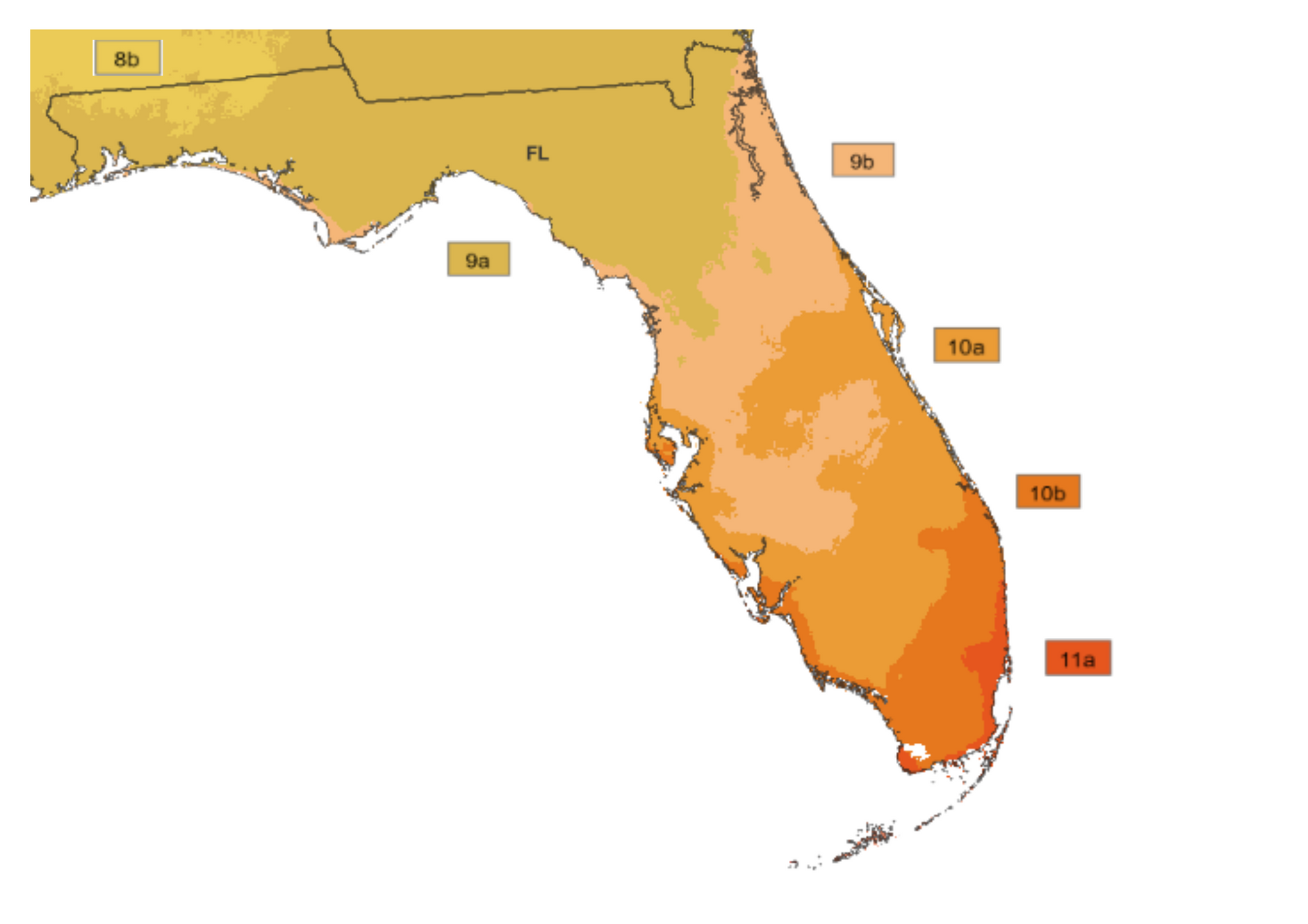
Las zonas del USDA se basan en la temperatura mínima extrema invernal anual promedio.
¿No conoces tu zona? Haz clic aquí para buscar por código postal.
Acreditado en:
Ecología
Fauna:
Larval host plant for Eastern tiger swallowtail ( Pterourous glaucus ). Larval host for the southern tiger swallowtail. This butterfly is restricted to Magnolia virginiana. Beetles are the primary pollinators. The flowers have a hardened carpel to avoid damage by their gnawing mandibles as the feed. The beetles are after the protein-rich pollen. Because the beetles are interesting in pollen and pollen alone, the flowers mature in a way that ensures cross pollination. The male parts mature first and offer said pollen. The female parts of the flower are second to mature. They produce no reward for the beetles but are instead believed to mimic the male parts, ensuring that the beetles will spend some time exploring and thus effectively pollinating the flowers (In Defense of Plants blog).
Seeds are eaten by woodpeckers, kingbirds, red-eyed vireos, mockingbirds, robins, thrushes, crows, cardinals, squirrels, mice among others. Deer browse leaves and twigs. Fruits eaten by gray squirrels, mice, turkey and quail as well as a variety of smaller birds including vireos, towhees, blue jays, woodpeckers, kingbirds, mockingbirds, robins, thrushes, crows, cardinals, squirrels, mice among others.
Hábitats nativos:
Comentarios:
Etnobotánica:
Comentarios generales:

Citas:
Arbor Day Foundation. (Undated). Tree Guide: Learn About Sweetbay Magnolia. ( https://shop.arborday.org/treeguide/335). Accessed 2026. Arbor Day Foundation, Lincoln, NE.
Burns, Russell M, and Barbara H. Honkala [Technical coordinators]. (1990). Silvics of North America: Volume 2. Hardwoods. United States Department of Agriculture (USDA), Forest Service, Agriculture Handbook 654. ( https://www.fs.usda.gov/treesearch/pubs/1548). Accessed 2026.
Fox, Laurie, and Joel Koci. (2021). Trees and Shrubs that Tolerate Saline Conditions. ( https://www.pubs.ext.vt.edu/430/430-031/430-031.html). Accessed 2026. Virginia Cooperative Extension, Virginia Tech, Blacksburg, VA.
Gann, G.D, C.J. Abbott, C.G. Stocking, K.N. Hines, and collaborators. (2001+). Sweet-bay. Natives For Your Neighborhood. ( https://www.regionalconservation.org/beta/nfyn/plantdetail.asp?tx=Magnvirg). Accessed 2026. The Institute for Regional Conservation. Delray Beach, FL.
Haehle, Robert G. and Joan Brookwell. (1999). Native Florida Plants. Gulf Publishing Company. Houston, TX.
Huegel, Craig N. (2010). Native Plant Landscaping for Florida Wildlife. University Press of Florida, Gainesville, FL.
Minno, Marc, and Maria Minno. (1999). Florida Butterfly Gardening: A Complete Guide to Attracting, Identifying, and Enjoying Butterflies. University Press of Florida, Gainesville, FL.
Nelson, Gil. (2003). Florida's Best Landscape Plants: 200 Readily Available Species for Homeowners and Professionals. University Press of Florida, Gainesville, FL.
Osorio, Rufino. (2001). A Gardener's Guide to Florida's Native Plants. University Press of Florida, Gainesville, FL.
Traas, Pamela. (2001). Gardening for Florida's Butterflies. Great Outdoors Publishing Co, St. Petersburg, FL.
University of Tennessee Extension Service. (2010). Desired pH Range and salt tolerance of common nursery plants. ( https://plantsciences.tennessee.edu/wp-content/uploads/sites/25/2021/10/Desired-pH-Range-List.pdf). Accessed 2026. University of Tennessee Extension, Knoxville, TN.
Watkins, John, and Thomas Sheehan. (1975). Florida Landscape Plants, Native and Exotic. University Presses of Florida, Gainesville, FL.
Wunderlin, R. P, B. F. Hansen, A. R. Franck, and F. B. Essig. (1999+). Atlas of Florida Plants. ( https://florida.plantatlas.usf.edu/). [S. M. Landry and K. N. Campbell (application development), USF Water Institute.] Institute for Systematic Botany, University of South Florida, Tampa, FL.

