
Base de datos de plantas del FNPS

Nelumbo lutea
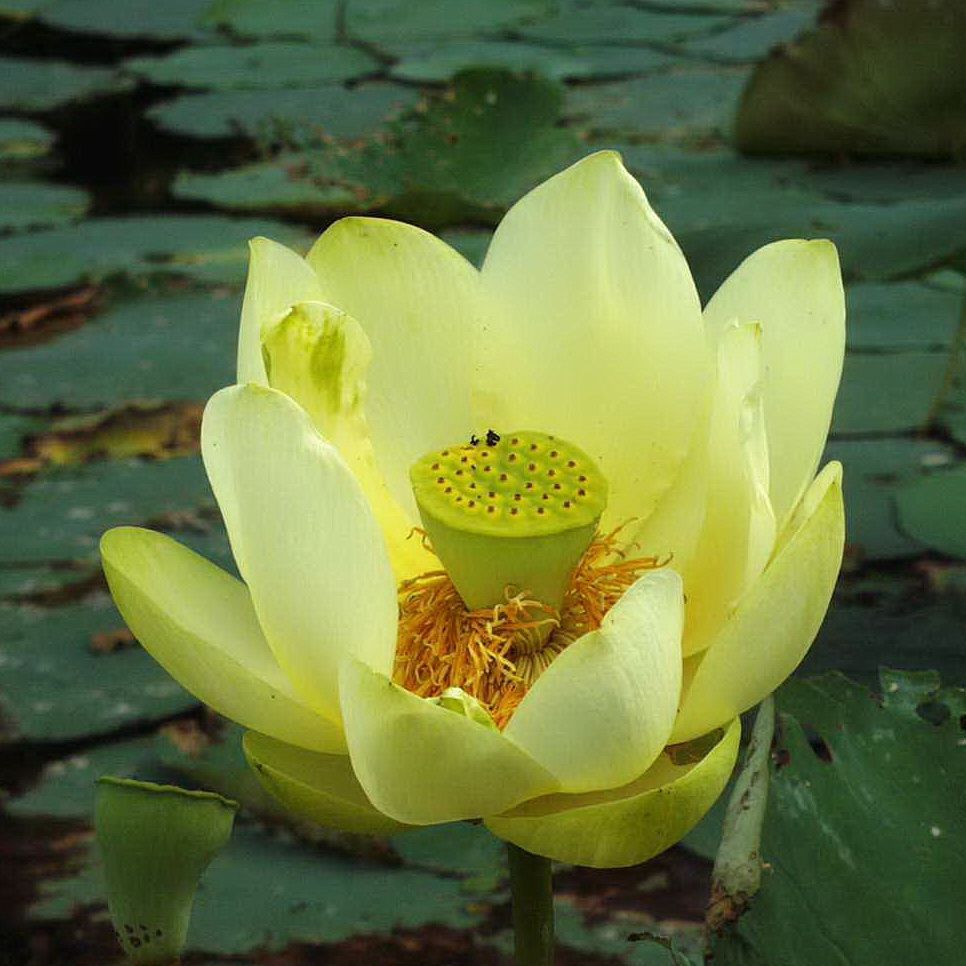
lotus-lily, yellow lotus, American lotus
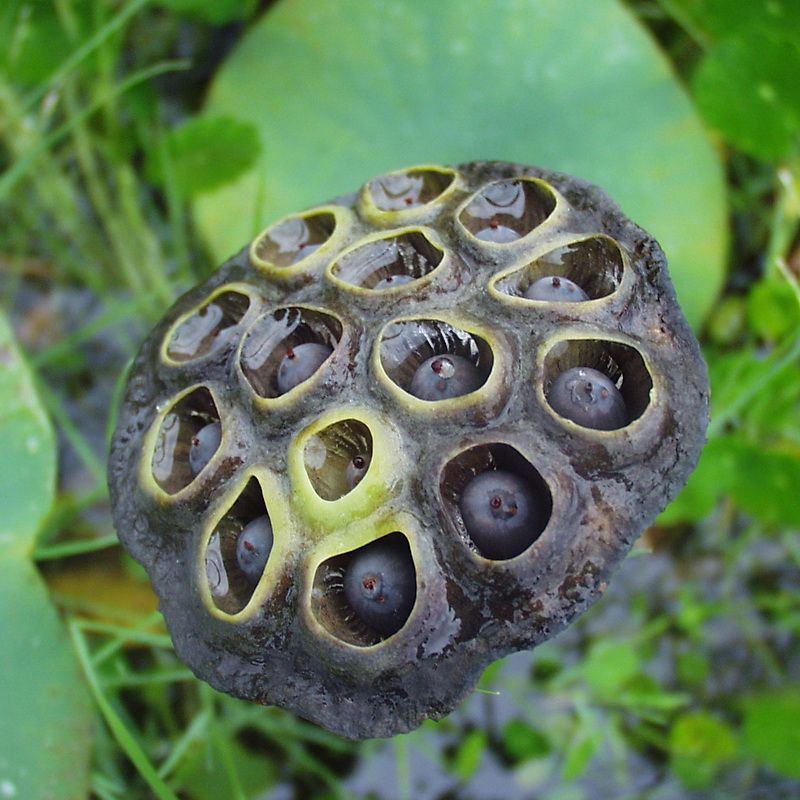
  • Photo by: Shirley Denton, Suncoast Chapter FNPS
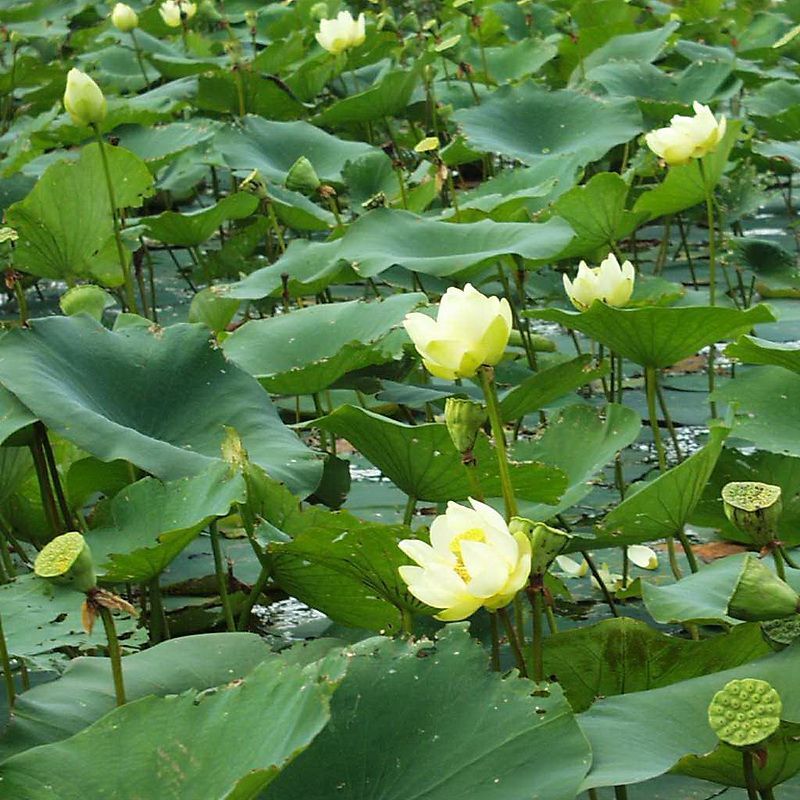
  • Photo by: Shirley Denton, Suncoast Chapter FNPS
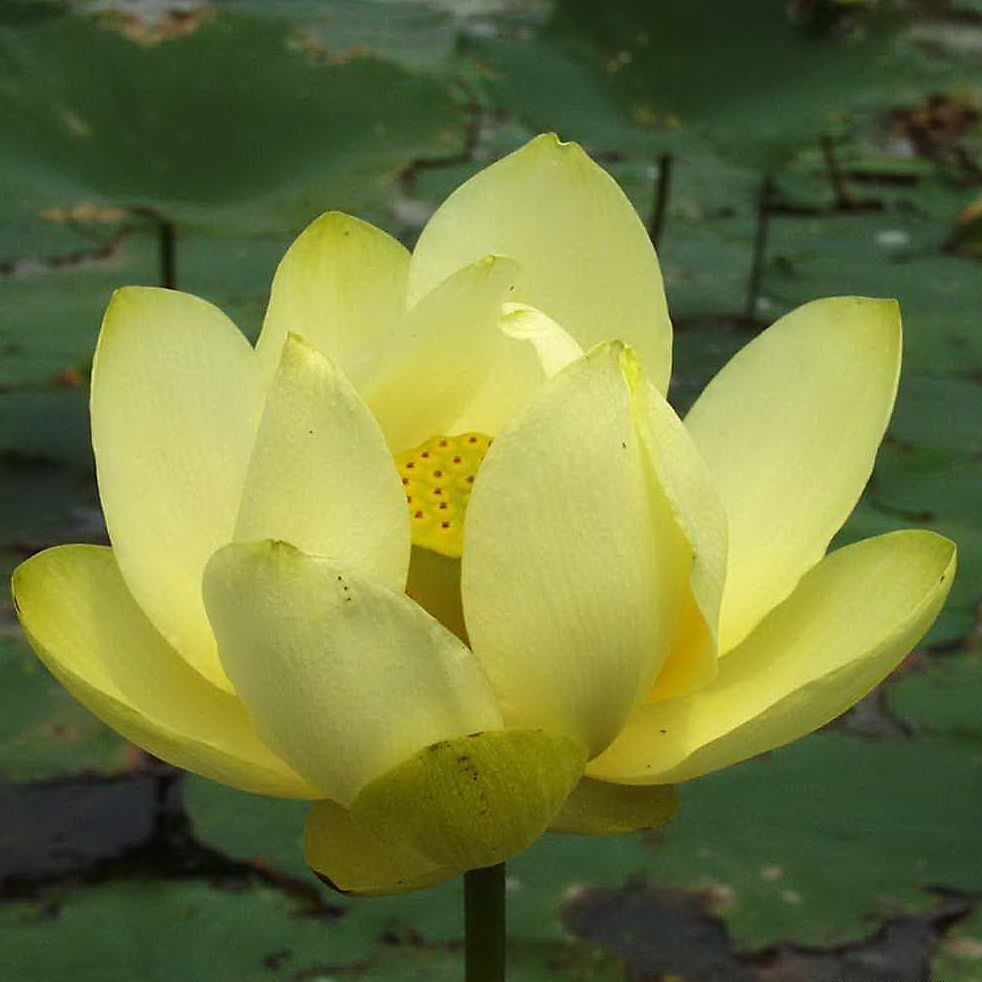
  • Photo by: Shirley Denton, Suncoast Chapter FNPS
  • Photo by: Shirley Denton, Suncoast Chapter FNPS

Nomenclatura

Nombre común:

lotus-lily, yellow lotus, American lotus

Sinónimo(s):

Especie del género:

Nelumbo lutea

Familia:

Nelumbonaceae

Especificaciones de la planta

Forma:

aquatic

Tamaño:

ft

Esperanza de vida:

Long-lived perennial

Color de la flor:

yellow

Color de la fruta:

brown, black

Fenología:

winter dormant

Destacado por:

Showy Flowers, Showy Fruits, Interesting Foliage

Paisajismo

Usos recomendados:

Water plant.

Consideraciones:

Can be aggressive. This is not a plant for small places.

Disponibilidad:

Native Nurseries, Specialty Provider, Seed

Propagación:

Division of tubers or seed.

Seeds are available through the Florida Wildflowers Growers Cooperative.

Luz:

Full Sun

Tolerancia a la humedad:

Siempre inundado---------------------------------Extremadamente seco

■■■■■■□□□□□□□□□□□□□□□□□□□□□□□□□□□□□□□□□□□□

Aquatic -a- Aquatic

Tolerancia a inundaciones por agua salada:

Unknown

Tolerancia a la niebla salina/suelo salado:

Low/no tolerance of salty wind or direct salt spray

Suelo u otro sustrato:

Sand, Loam, Organic

pH del suelo:

Apto para cultivo en:

8A,8B,9A
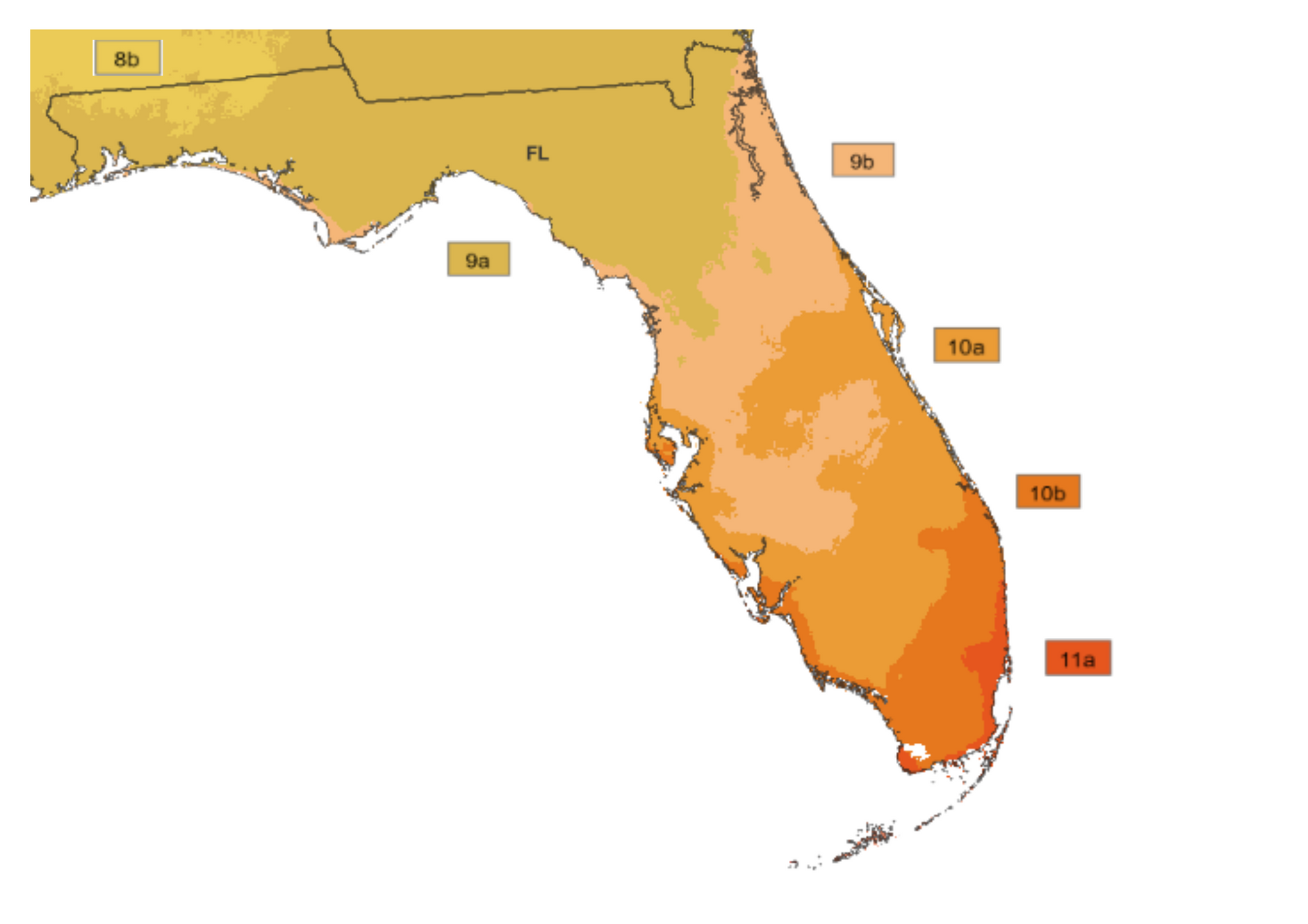
Las zonas del USDA se basan en la temperatura mínima extrema invernal anual promedio.

¿No conoces tu zona? Haz clic aquí para buscar por código postal.

Acreditado en:

Distribution
Vouchered
Not vouchered
Selected
Click a county The county name will appear here.
No county distribution is available for this plant yet.
Starting…
Map coded by Melissa Fernandez-de Cespedes (Paynes Prairie Chapter)

Ecología

Fauna:

Birds

The flowers are cross-pollinated by bees which collect pollen for their larvae.  Two bee species  that occur in Florida Lasioglossum nelumbonis and and Hylaeus nelumbonis, specialize in the pollen of the American lotus. Other visitors include flower flies (Syrphidae), shore flies (Ephydridae), and miscellaneous beetles. This latter group of floral visitors feed on pollen.  ( Illinois Wildfllowers ).  

The seeds of this wildflower are consumed by the Canada Goose, Mallard, Northern Shoveler, and probably other waterfowl. ( Illinois Wildfllowers ).  Beaver (and likely other wetland mammals) will consume seeds and veegetative parts of the plant.

Hábitats nativos:

Ponds, lakes, rivers still or slow moving water in areas not subject to substantial wave action.

Área de distribución natural en Florida:

Comentarios:

Etnobotánica:

Tubers were eaten by Indians (said to be similar to sweet potato) and leaves were eaten as greens (said to be similar to spinach). Dried fruits used as decoration in dried arrangements.

Comentarios generales:

This can be a love-it-or-hate-it plant.  It is robust and can cover a large area.  Consider where you are going to plant it, and avoid planting in areas where it could take over a community pond.


While this plant meets the Florida Native Plant Society's definition of native (here when Europeans first arrived), the center of its range is the Mississippi River and its tributaries.  American Indians are known to have spread this plant given that it was a good, prolific food source once established.  They may have brought it to Florida.

FNPS Plant Print

Citas:

Wunderlin, R. P., B. F. Hansen, A. R. Franck, and F. B. Essig. (1999+). Atlas of Florida Plants. ( https://florida.plantatlas.usf.edu/ ). [S. M. Landry and K. N. Campbell (application development), USF Water Institute.] Institute for Systematic Botany, University of South Florida, Tampa.

Solicitar una actualización