
Base de datos de plantas del FNPS

Phytolacca americana
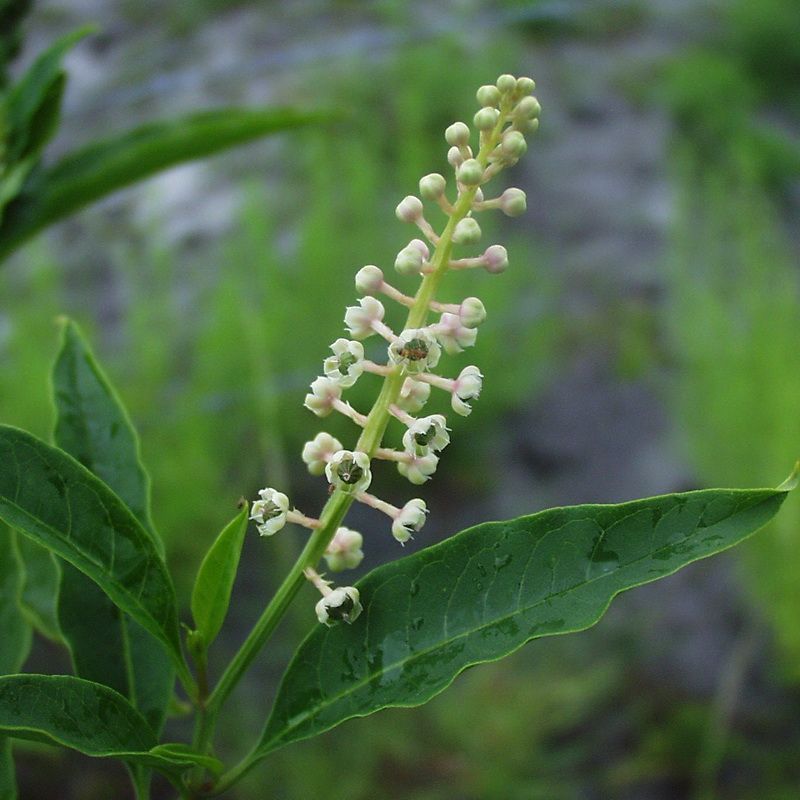
pokeweed
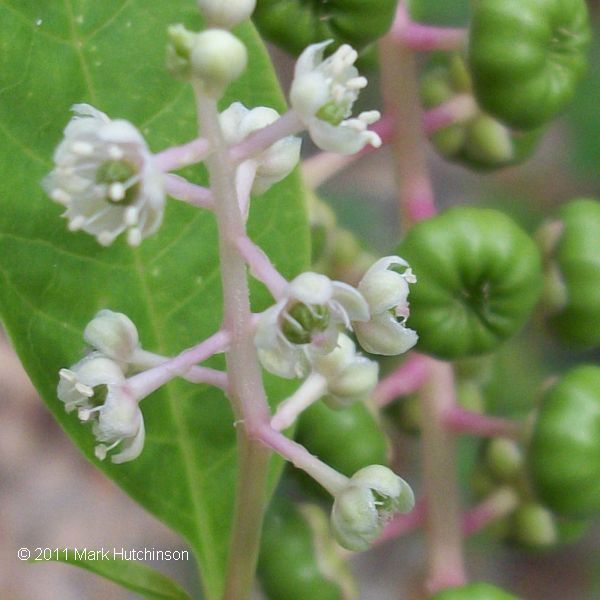
  • Photo by: Shirley Denton, Suncoast Chapter FNPS
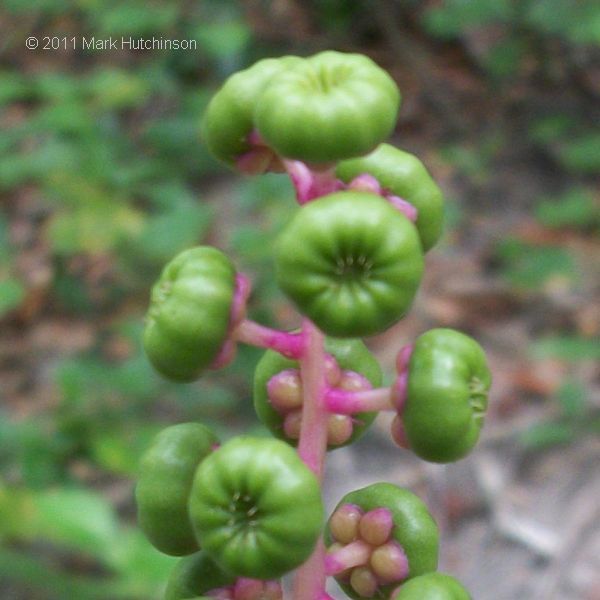
  • Photo by: Mark Hutchinson, Hernando Chapter, FNPS
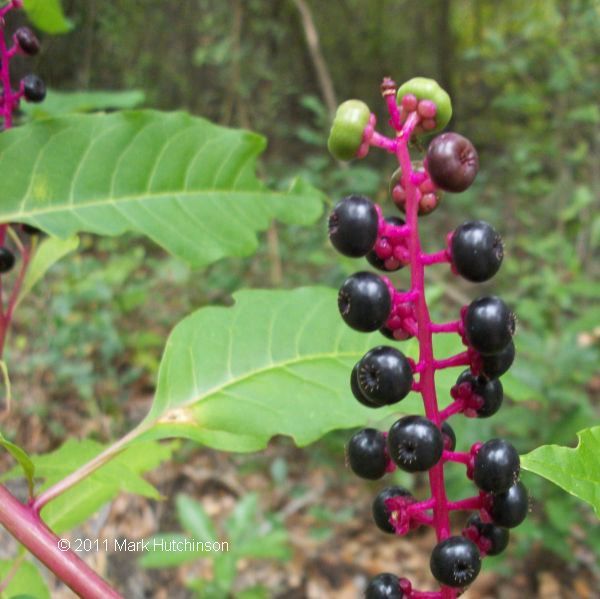
  • Photo by: Mark Hutchinson, Hernando Chapter, FNPS
  • Photo by: Mark Hutchinson, Hernando Chapter, FNPS

Nomenclatura

Nombre común:

pokeweed

Sinónimo(s):

Especie del género:

Phytolacca americana

Familia:

Phytolaccaceae

Especificaciones de la planta

Forma:

flower

Tamaño:

6-10 ft tall by 5-8 ft wide

Esperanza de vida:

Long-lived perennial

Color de la flor:

white

Color de la fruta:

black

Fenología:

winter dormant

Destacado por:

Showy Flowers, Showy Fruits

Paisajismo

Usos recomendados:

Interesting red stems. Makes a good specimen plant in an informal garden. Weedy in appearance if in large numbers.

Consideraciones:

The roots and seeds are poisonous.

Disponibilidad:

Seed

Propagación:

Once you have one, others will follow from seed. It can also be transplanted from root stock.

Luz:

Full Sun

Tolerancia a la humedad:

Siempre inundado---------------------------------Extremadamente seco

□□□□□□□□□□□□□□□□□□□□□■■■■■■■■■■■■■■■■■■□□□

Somewhat moist, no flooding -a- Very long very dry periods

Tolerancia a inundaciones por agua salada:

Unknown

Tolerancia a la niebla salina/suelo salado:

Moderate. Tolerant of salty wind and may get some salt spray.

Suelo u otro sustrato:

Sand, Loam

pH del suelo:

Apto para cultivo en:

8A,8B,9A,9B,10A,10B,11
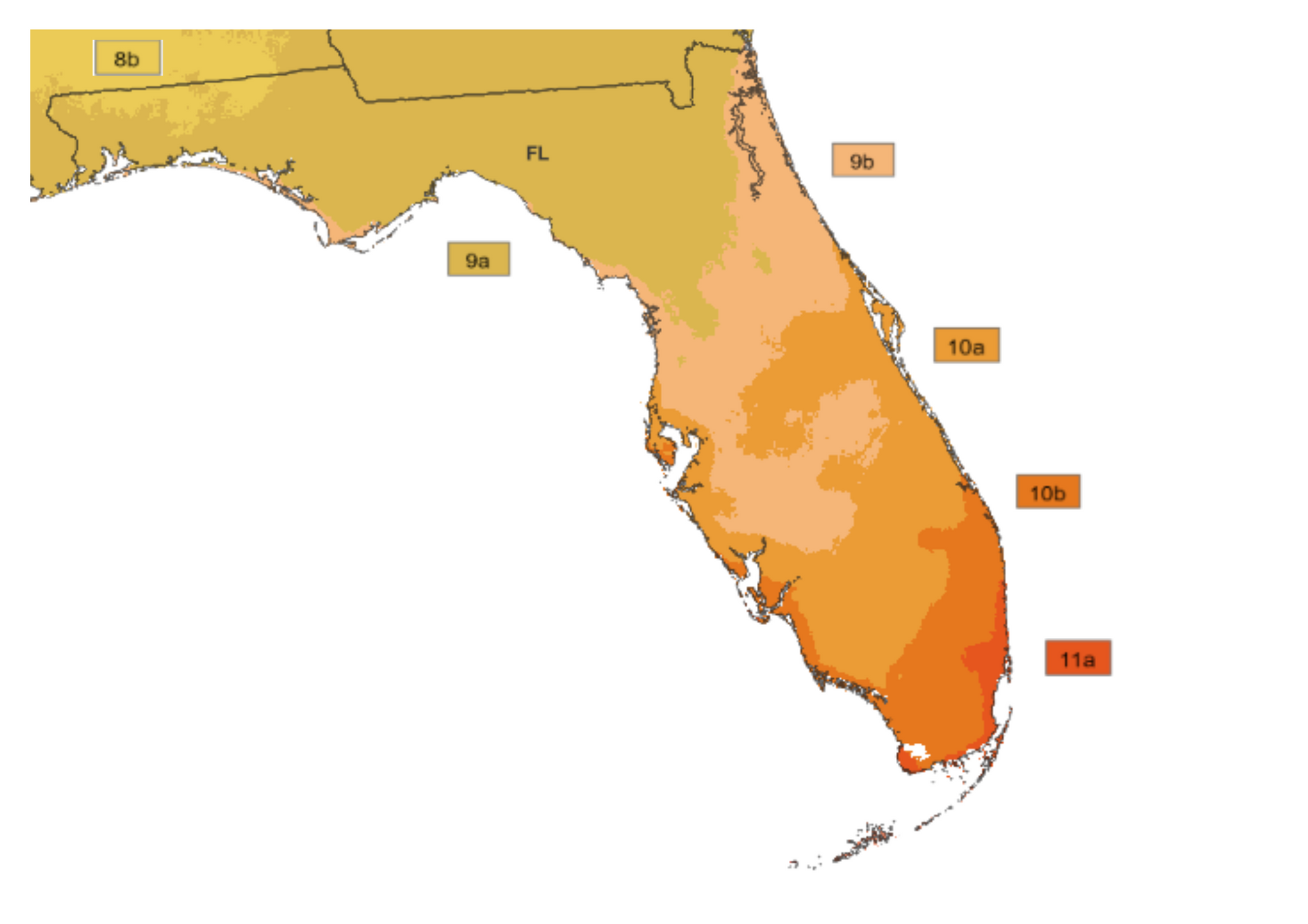
Las zonas del USDA se basan en la temperatura mínima extrema invernal anual promedio.

¿No conoces tu zona? Haz clic aquí para buscar por código postal.

Acreditado en:

Distribution
Vouchered
Not vouchered
Selected
Click a county The county name will appear here.
No county distribution is available for this plant yet.
Starting…
Map coded by Melissa Fernandez-de Cespedes (Paynes Prairie Chapter)

Ecología

Fauna:

Pollinators, Birds

Attracts bees including  Augochlora pura, Augochloropsis metallica, A. sumptuosa, Dialictus miniatulus, D. nymphalis, D. placidensis, D. tegularis, Evylaeus pectoralis and Bombus impatiens (Deyrup et al. 2002).

Birds eat the berries.

Hábitats nativos:

Flatwoods, disturbed areas.

Área de distribución natural en Florida:

Comentarios:

Etnobotánica:

Young foliage is eaten, and some people plant seed just to get the young foliage. But beware, older foliage and the roots and seed are poisonous. Beware, unless boiled with multiple water changes, even the young leaves could be poisonous. These greens have been called poke sallet, an old English term for cooked greens--not "poke salad."
Native Americans used the bright crimson juice to stain feathers, arrow shafts, and garments, and to decorate their horses.
The United States Declaration of Independence was written in pokeberry juice.

Comentarios generales:

Interesting red stems. Makes a good specimen plant in an informal garden. Weedy in appearance if in large numbers and stems tend to split when branches get too heavy or in high winds.
FNPS Plant Print

Citas:

Wunderlin, R. P., B. F. Hansen, A. R. Franck, and F. B. Essig. (1999+). Atlas of Florida Plants. ( https://florida.plantatlas.usf.edu/ ). [S. M. Landry and K. N. Campbell (application development), USF Water Institute.] Institute for Systematic Botany, University of South Florida, Tampa.

Solicitar una actualización