
Base de datos de plantas del FNPS

Pieris phyllyreifolia
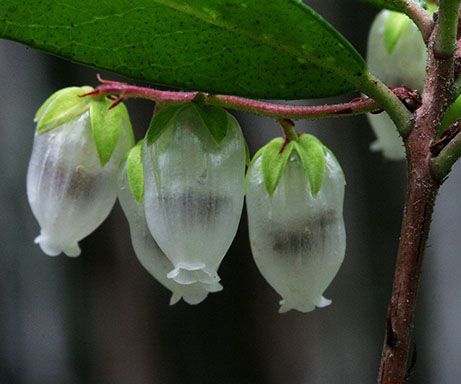
climbing heather, climbing pieris, fetterbush
  • Photo by: Paul Rebman

Nomenclatura

Nombre común:

climbing heather, climbing pieris, fetterbush

Sinónimo(s):

Especie del género:

Pieris phyllyreifolia

Familia:

Ericaceae

Especificaciones de la planta

Forma:

shrub

Tamaño:

ft

Esperanza de vida:

Long-lived perennial

Color de la flor:

white

Color de la fruta:

Fenología:

Destacado por:

Showy Flowers, Interesting Foliage

Paisajismo

Usos recomendados:

This grows as a viney shrubl. Can be grown as a shrub if pruned but could also be trained against an arbor or post.

Consideraciones:

Disponibilidad:

Seed

Propagación:

Luz:

Part Sun, Shade

Tolerancia a la humedad:

Siempre inundado---------------------------------Extremadamente seco

□□□□□□□□□□□□□□□□□□■■■■■■■■■□□□□□□□□□□□□□□□

Somewhat moist, no flooding -a- Not wet but not extremely dry

Tolerancia a inundaciones por agua salada:

Unknown

Tolerancia a la niebla salina/suelo salado:

Low/no tolerance of salty wind or direct salt spray

Suelo u otro sustrato:

Sand

pH del suelo:

Acidic

Apto para cultivo en:

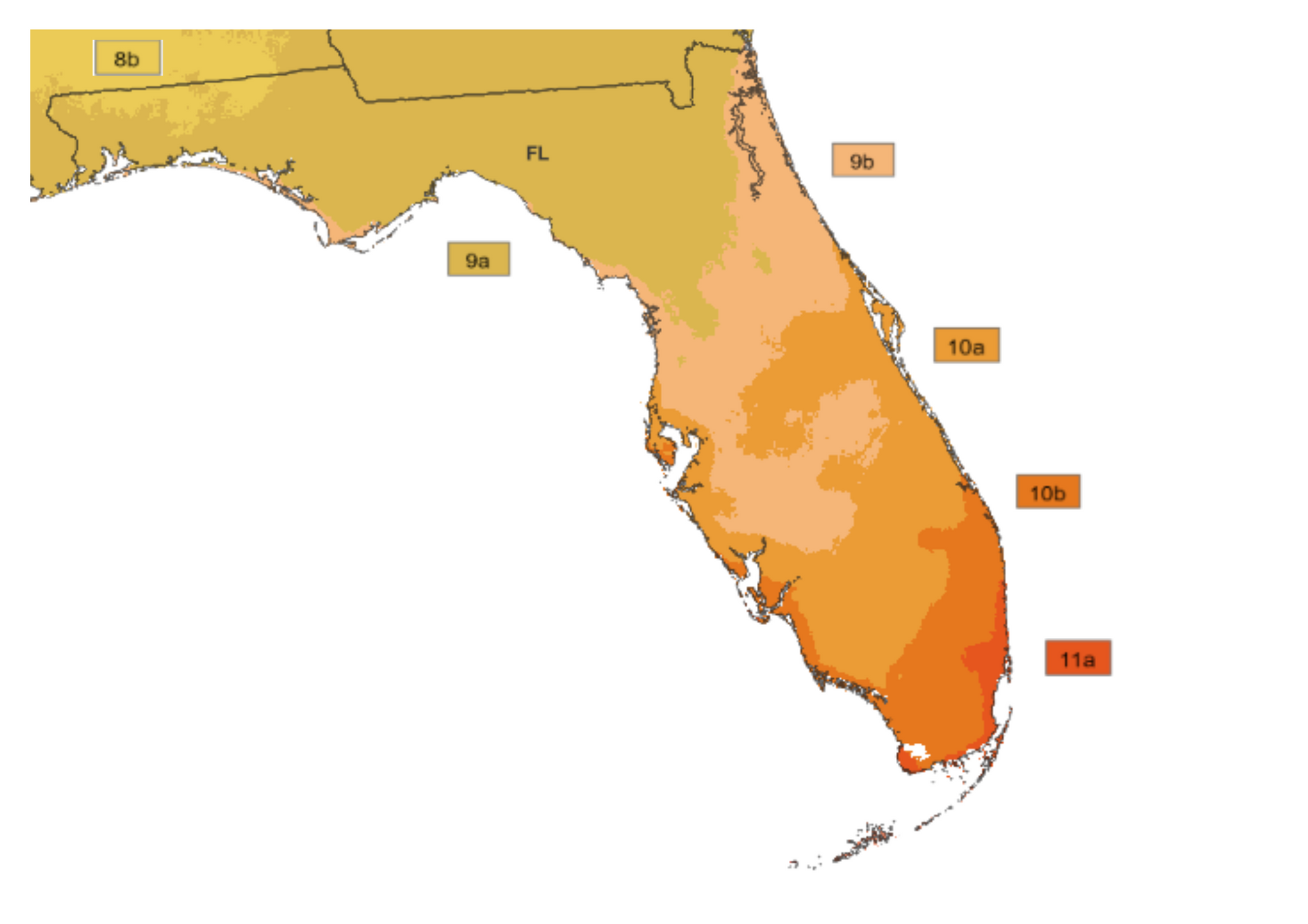
Las zonas del USDA se basan en la temperatura mínima extrema invernal anual promedio.

¿No conoces tu zona? Haz clic aquí para buscar por código postal.

Acreditado en:

Distribution
Vouchered
Not vouchered
Selected
Click a county The county name will appear here.
No county distribution is available for this plant yet.
Starting…
Map coded by Melissa Fernandez-de Cespedes (Paynes Prairie Chapter)

Ecología

Fauna:

Pollinators

Said to attract early spring pollinators ( Using Georgia Native Plants Blo g).

Hábitats nativos:

Upland mixed forests, sandhill, cypress swamps, moist pinelands, white cedar swamps, sandhills near sinkhole ponds, often climbing on pond cypress or slash pin or white cedar.

Área de distribución natural en Florida:

Comentarios:

Etnobotánica:

Comentarios generales:

Based on BONAP maps, the ISB maps and specimens, and one author's personal observations, the range of this species appears to be those parts of the coastal plain and adjacent areas of sandhill where there are seepage wetlands.  The range extend from Mississippi to South Carolina.  It may be excluded from the southern half of the Florida peninsula temperatures unsuitable for its reproduction.
FNPS Plant Print

Citas:

Wunderlin, R. P., B. F. Hansen, A. R. Franck, and F. B. Essig. (1999+). Atlas of Florida Plants. ( https://florida.plantatlas.usf.edu/ ). [S. M. Landry and K. N. Campbell (application development), USF Water Institute.] Institute for Systematic Botany, University of South Florida, Tampa.

Solicitar una actualización