


Base de datos de plantas del FNPS
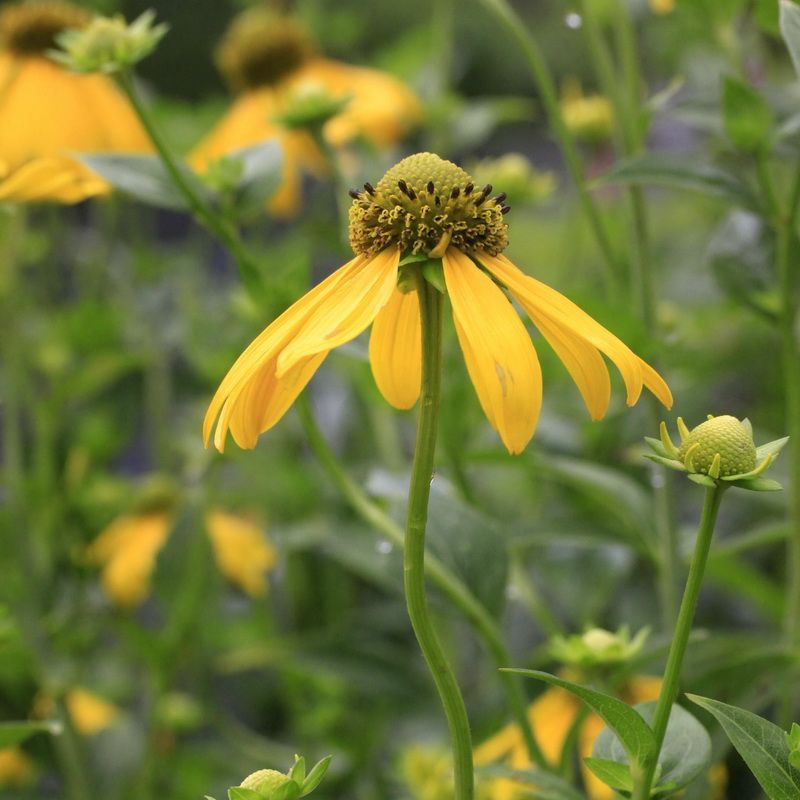
Rudbeckia laciniata



Nomenclatura
Nombre común:
Sinónimo(s):
Especie del género:
Familia:
Asteraceae
Especificaciones de la planta
Forma:
Tamaño:
Esperanza de vida:
Long-lived perennial
Color de la flor:
Color de la fruta:
Fenología:
Destacado por:
Paisajismo
Usos recomendados:
Consideraciones:
Disponibilidad:
Propagación:
Luz:
Tolerancia a la humedad:
Siempre inundado---------------------------------Extremadamente seco
□□□□□□□□□□□□■■■■■■■■■■■■■■■□□□□□□□□□□□□□□□
Usually moist, occasional inundation -a- Not wet but not extremely dry
Tolerancia a inundaciones por agua salada:
Not salt tolerant of inundation by salty or brackish water
Tolerancia a la niebla salina/suelo salado:
Some tolerance to salty wind but not direct salt spray
Suelo u otro sustrato:
Sand, Loam
pH del suelo:
Apto para cultivo en:
8A,8B
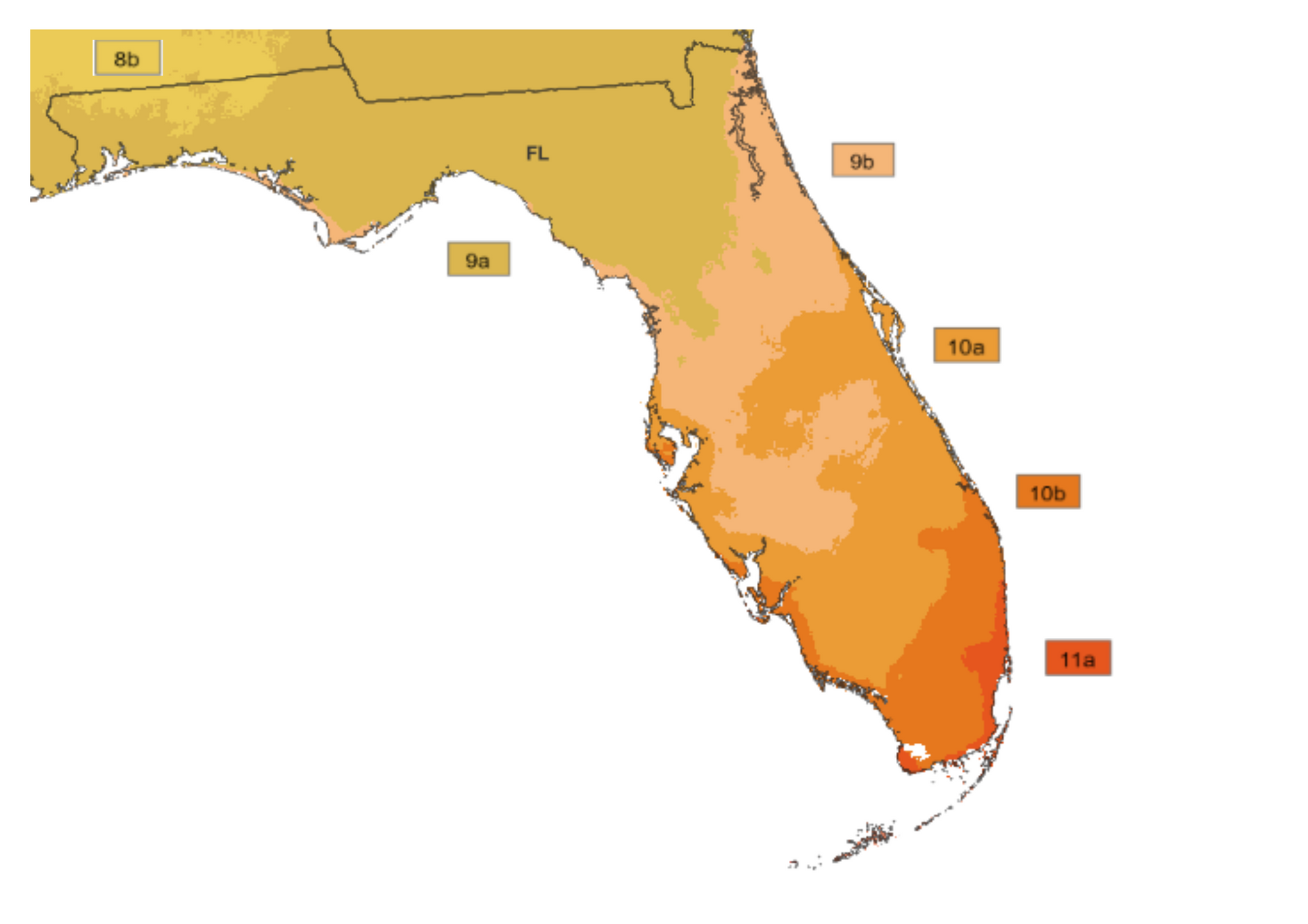
Las zonas del USDA se basan en la temperatura mínima extrema invernal anual promedio.
¿No conoces tu zona? Haz clic aquí para buscar por código postal.
Acreditado en:
Ecología
Fauna:
Attracts bumble bees, butterflies Larval host for the silvery checkerspot, found only in extreme north Florida.
Seeds eaten by small birds such as finches.
Hábitats nativos:
Comentarios:
Etnobotánica:
Comentarios generales:
Citas:
Brakie, M. (2019). Plant Guide for Black-eyed Susan ( Rudbeckia hirta ). ( ). Accessed 2026. USDA-Natural Resources Conservation Service, East Texas Plant Materials Center. Nacogdoches, TX.
Huegel, Craig N. (2012). Native Wildflowers and Other Ground Covers for Florida Landscapes. University Press of Florida, Gainesville, FL.
Butterflies and Moths of North America (BAMONA). (Undated). Silvery Checkerspot, Chlosyne nycteis [in] Butterflies and Moths of North America. ( https://www.butterfliesandmoths.org/species/Chlosyne-nycteis). Accessed 2026.
Horth, L, Campbell, L, & Bray, R. (2014). Wild bees preferentially visit Rudbeckia flower heads with exaggerated ultraviolet absorbing floral guides. Biology open, 3(3), 221–230. ( https://doi.org/10.1242/bio.20146445). Accessed 2026. National Library of Medicine, Bethesda, MD.
University of Minnesota. (Undated). Black Eyed Susan [in] Plants for Pollinators. ( https://plantsforpollinators.weebly.com/black-eyed-susan.html). Accessed 2026. University of Minnesota, St. Paul, MN.

