


Base de datos de plantas del FNPS
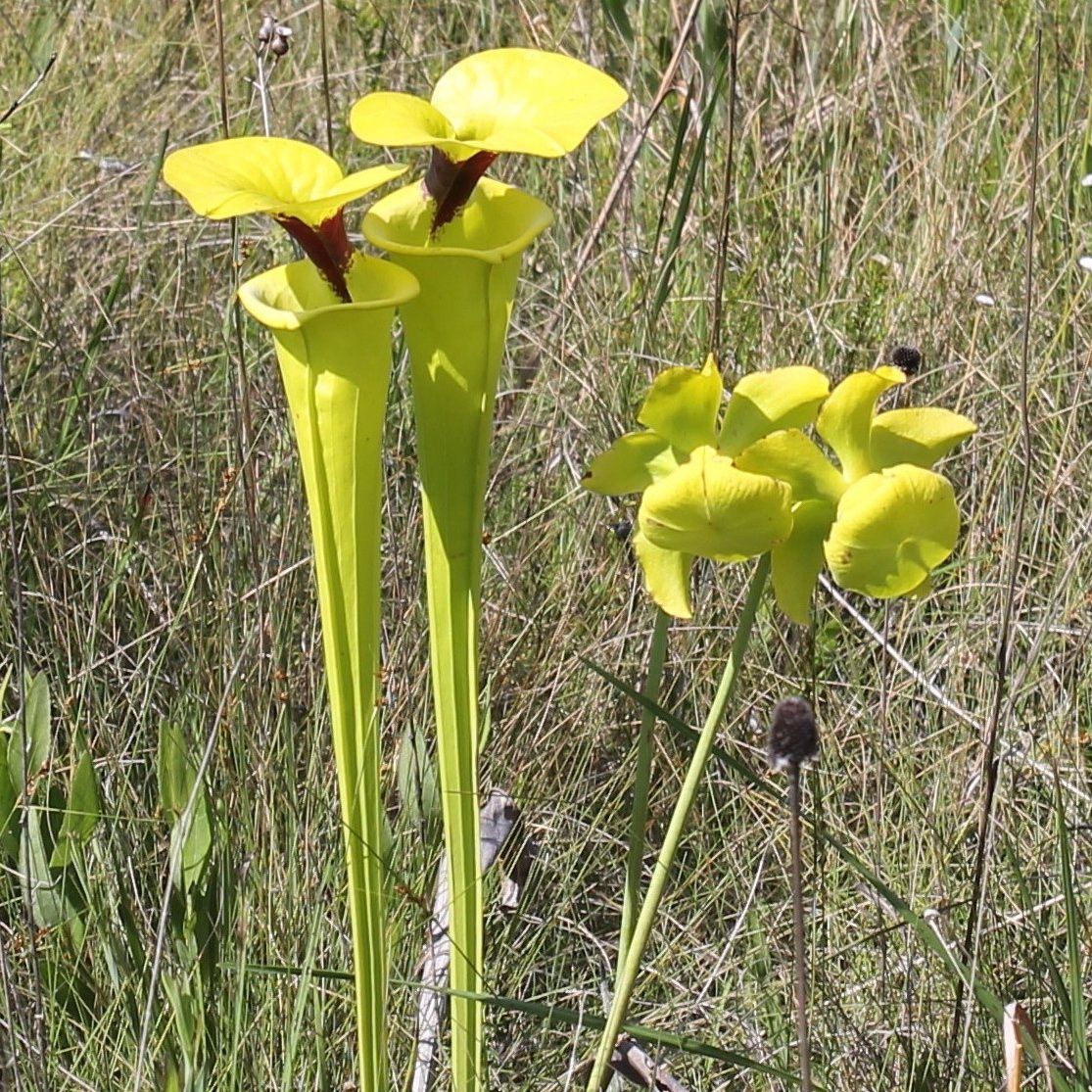
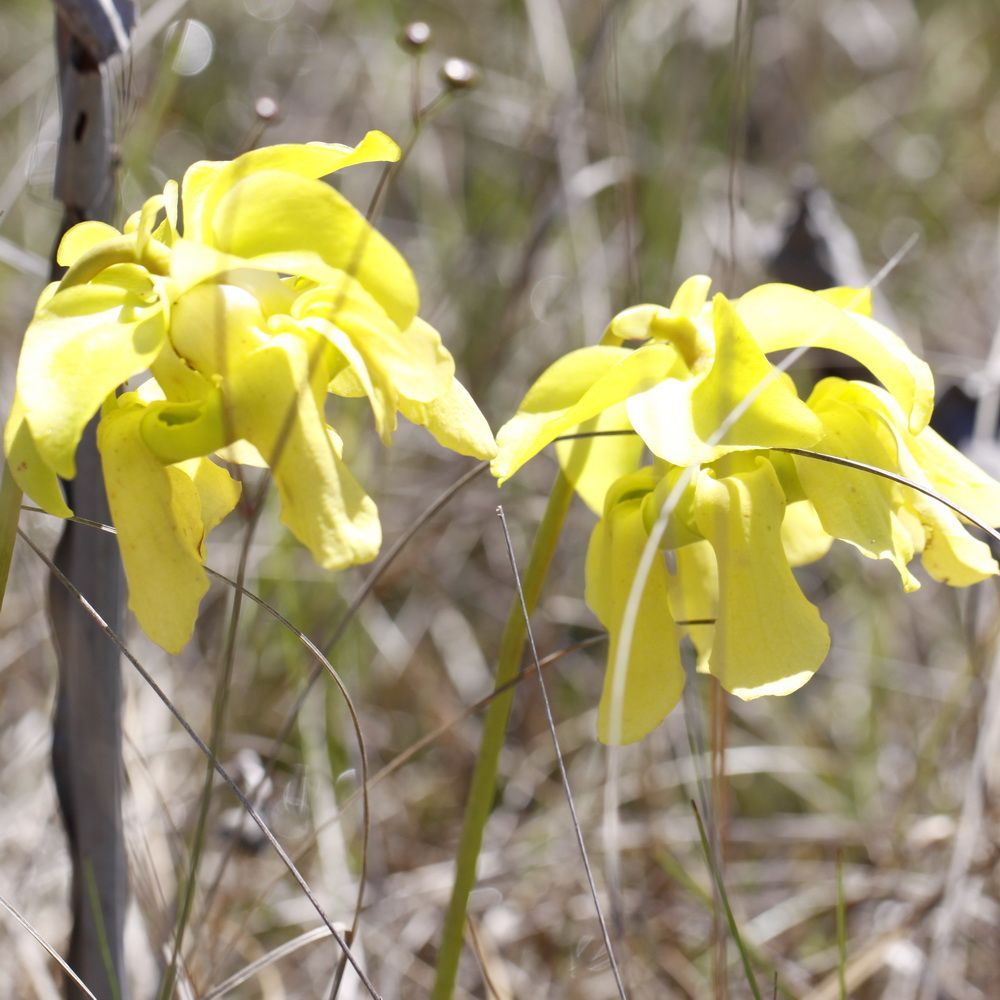
Sarracenia flava
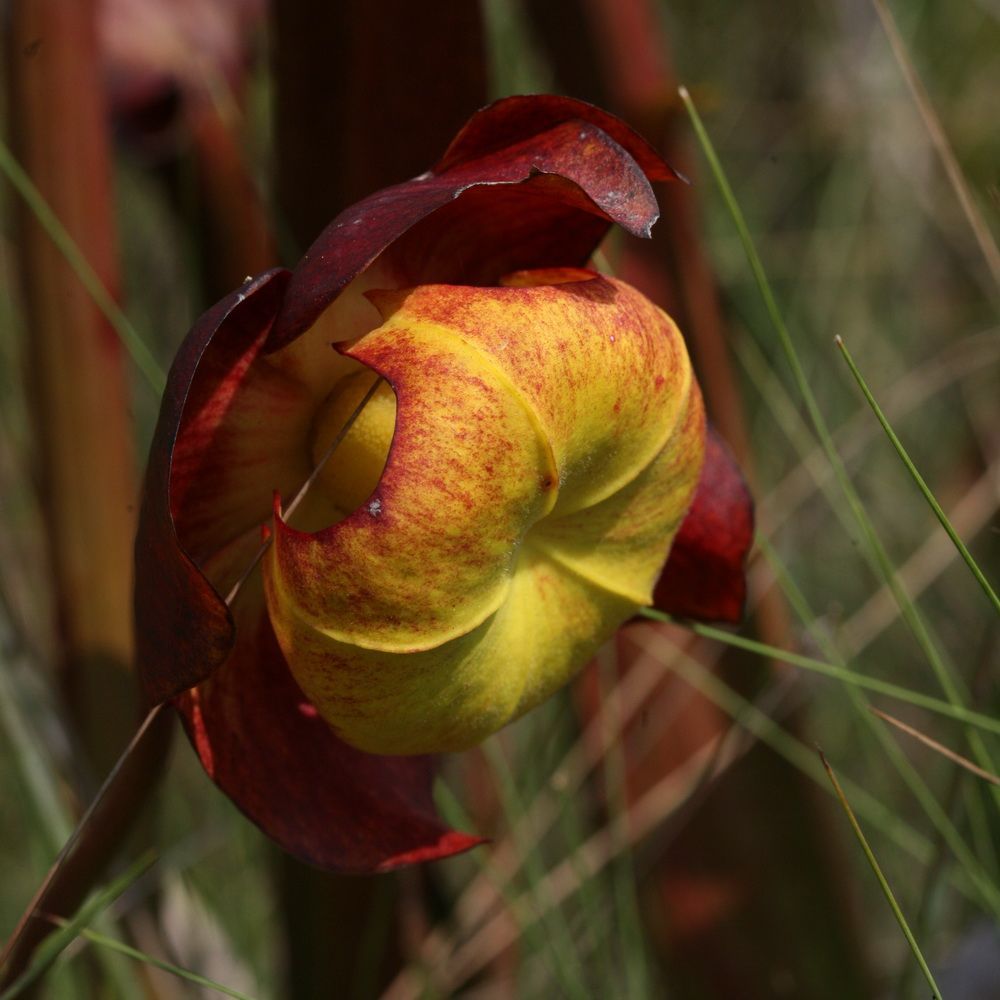
Nomenclatura
Nombre común:
Sinónimo(s):
Especie del género:
Familia:
Sarraceniaceae
Especificaciones de la planta
Forma:
Tamaño:
Esperanza de vida:
Long-lived perennial
Color de la flor:
Color de la fruta:
Fenología:
Destacado por:
Paisajismo
Usos recomendados:
Consideraciones:
Disponibilidad:
Propagación:
Luz:
Tolerancia a la humedad:
Siempre inundado---------------------------------Extremadamente seco
□□□□□□□□□□□□■■■■■■□□□□□□□□□□□□□□□□□□□□□□□□
Usually moist, occasional inundation -a- Usually moist, occasional inundation
Tolerancia a inundaciones por agua salada:
Not salt tolerant of inundation by salty or brackish water
Tolerancia a la niebla salina/suelo salado:
Low/no tolerance of salty wind or direct salt spray
Suelo u otro sustrato:
pH del suelo:
Apto para cultivo en:
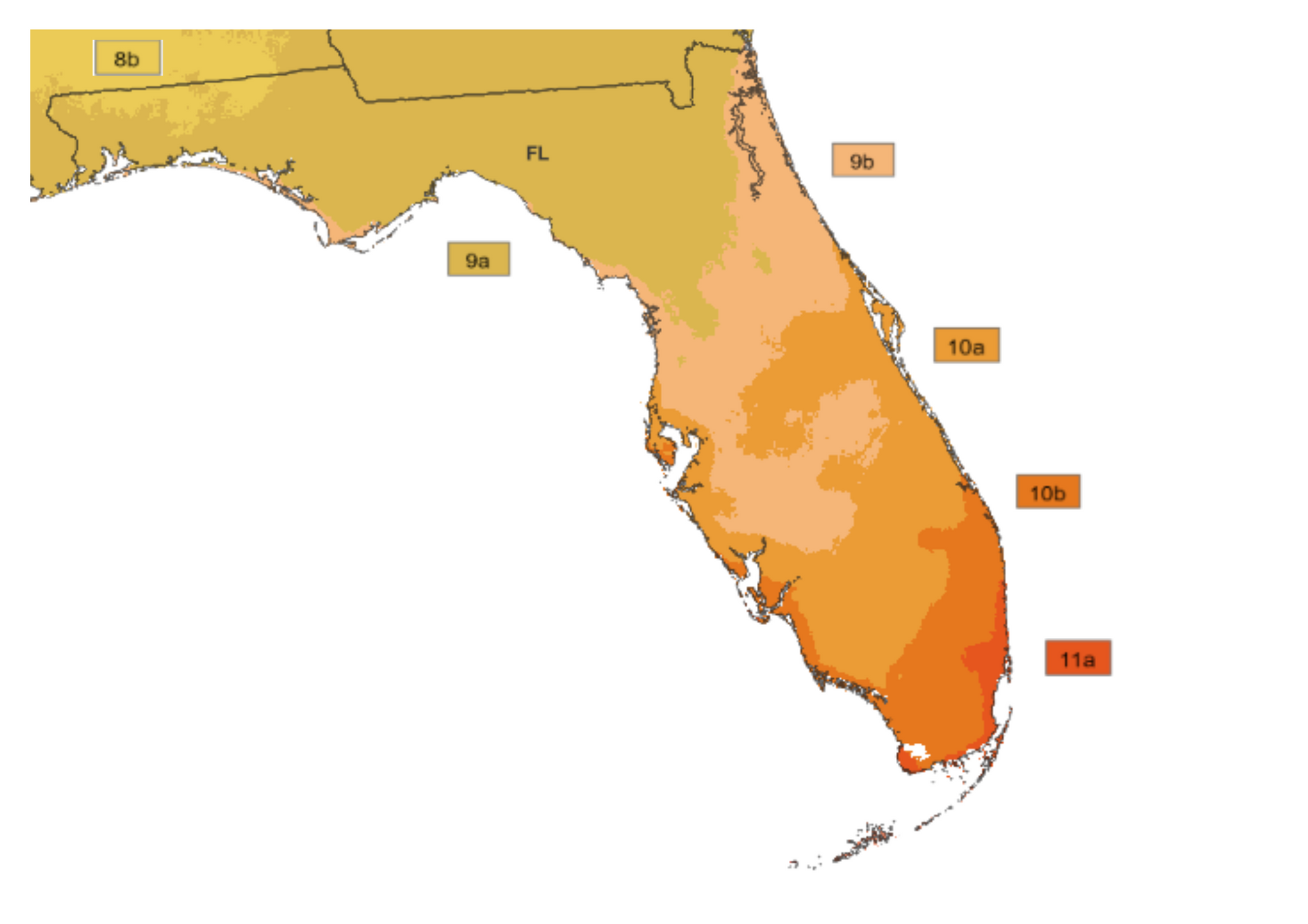
Las zonas del USDA se basan en la temperatura mínima extrema invernal anual promedio.
¿No conoces tu zona? Haz clic aquí para buscar por código postal.
Acreditado en:
Ecología
Fauna:
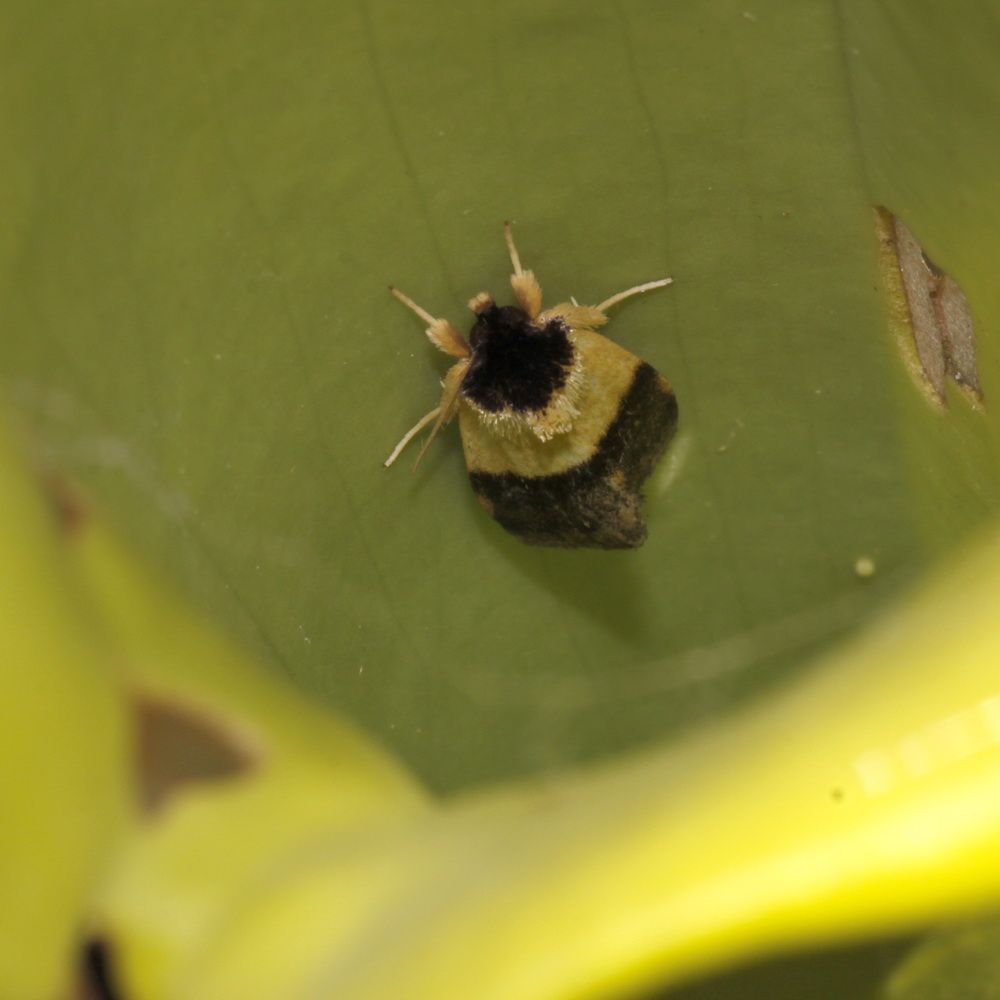
Insectivorous. Larval host for epaulleted pitcher plant moth. A number of insect groups visit the flowers but their role in pollination is unknown. Most likely as pollinators are small bees.
Hábitats nativos:
Comentarios:
Etnobotánica:
Comentarios generales:

Citas:
D'Amato, Peter. (2013). The Savage Garden, Revised: Cultivating Carnivorous Plants. Ten Speed Press, Emeryville, CA.
Jones, Frank Morton. (1908). Pollination in Sarracenia [in] Pitcher plant insects III. Entomological News 19: 150-156, Pls. VIII, IX. ( https://harvardforest.fas.harvard.edu/pollination-in-sarracenia). Accessed 2026.
Hammer, Roger. (2015). Attracting Hummingbirds and Butterflies in Tropical Florida. University Press of Florida, Gainesville, FL.
Nelson, Gil. (2005). East Gulf Coastal Plain Wildflowers. Falcon Guides, Guilford, CT.
North American Sarracenia Conservancy. (Undated). Pollination. ( https://www.nasarracenia.org/guides/pollination/). Accessed 2026.
Mackie, Robin. (Undated). Plant of the Week: Yellow Pitcherplant. ( https://www.fs.usda.gov/wildflowers/plant-of-the-week/sarracenia_flava.shtml). Accessed 2026. U.S. Forest Service, U.S. Dept. of Agriculture.
Wunderlin, R. P., B. F. Hansen, A. R. Franck, and F. B. Essig. (1999+). Atlas of Florida Plants. ( https://florida.plantatlas.usf.edu/). [S. M. Landry and K. N. Campbell (application development), USF Water Institute.] Institute for Systematic Botany, University of South Florida, Tampa, FL.

