


Base de datos de plantas del FNPS
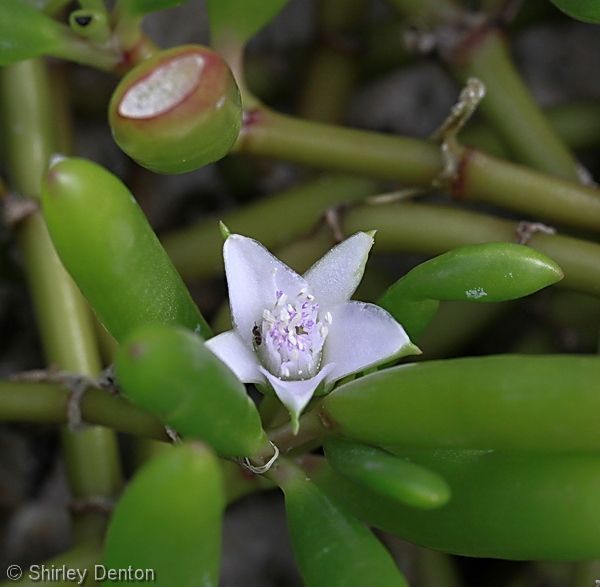
Sesuvium portulacastrum
Nomenclatura
Nombre común:
Sinónimo(s):
Especie del género:
Familia:
Aizoaceae
Especificaciones de la planta
Forma:
Tamaño:
Esperanza de vida:
Long-lived perennial
Color de la flor:
Color de la fruta:
Fenología:
Destacado por:
Paisajismo
Usos recomendados:
Consideraciones:
Disponibilidad:
Propagación:
Luz:
Tolerancia a la humedad:
Siempre inundado---------------------------------Extremadamente seco
□□□■■■■■■■■■■■■■■■■■■■■■■■■□□□□□□□□□□□□□□□
Aquatic -a- Not wet but not extremely dry
Tolerancia a inundaciones por agua salada:
Tolerant of frequent or regular inundation (usually areas with tidal inundation)
Tolerancia a la niebla salina/suelo salado:
High. Can tolerate significant and ongoing amounts of salt
Suelo u otro sustrato:
pH del suelo:
Apto para cultivo en:
8A,8B,9A,9B,10A,10B,11
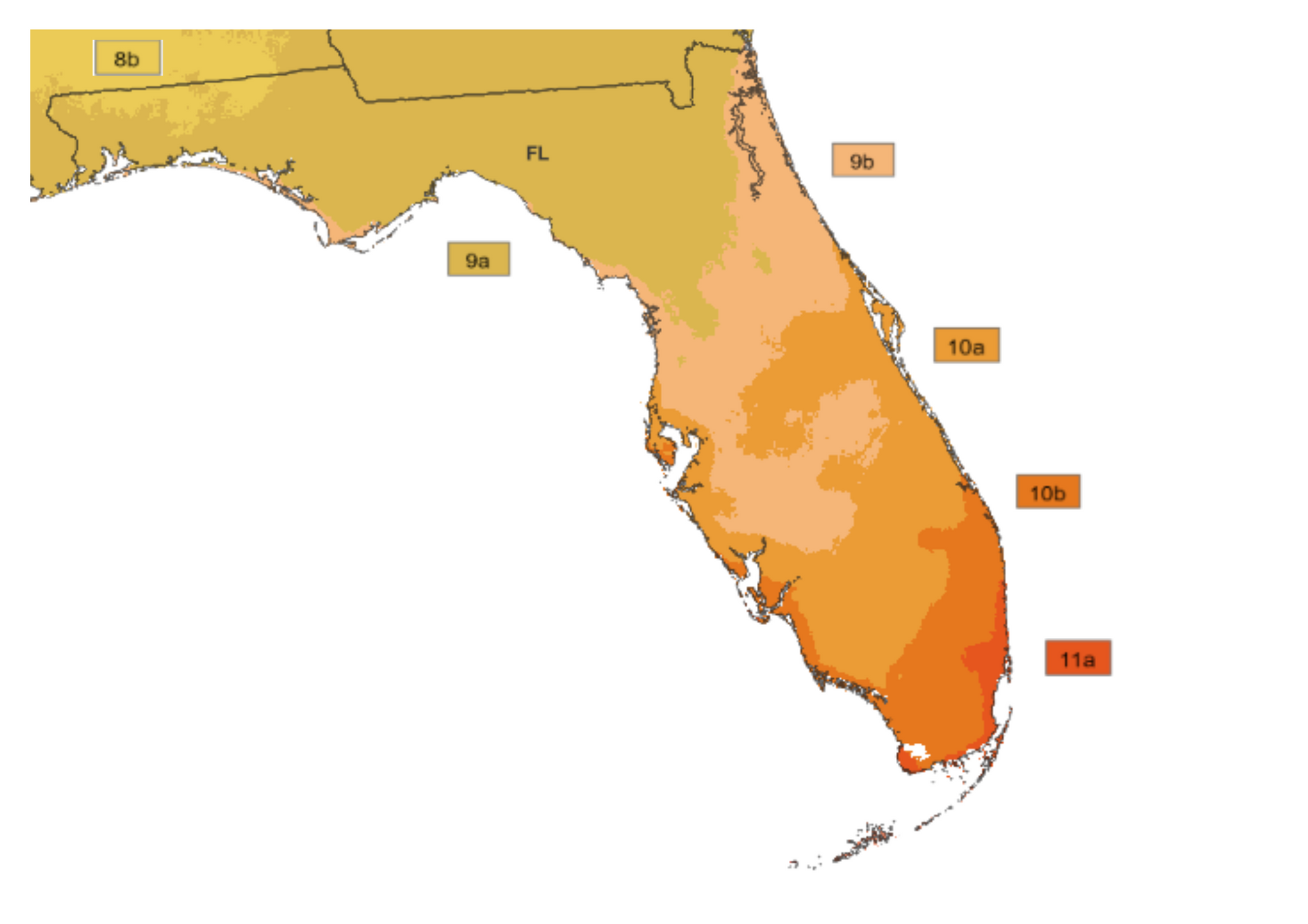
Las zonas del USDA se basan en la temperatura mínima extrema invernal anual promedio.
¿No conoces tu zona? Haz clic aquí para buscar por código postal.
Acreditado en:
Ecología
Fauna:
Nectar plant for Miami blue ( Cyclargus thomasi bethunebakeri ) butterflies (USFWS, Federal Register, 2011-08-10 ) Attracts native bees including metallic bees.
Hábitats nativos:
Comentarios:
Etnobotánica:
Comentarios generales:

Citas:
Florida Wildflower Foundation. (2024). Flower Friday: Shoreline seapurslane. ( https://www.flawildflowers.org/flower-friday-sesuvium-portulacastrum/). Accessed 2026. Florida Wildflower Foundation, Maitland, FL.
Haehle, Robert G. and Joan Brookwell. (1999). Native Florida Plants. Gulf Publishing Company. Houston, TX.
Minno, M., J. Butler, and D. Hall. (2005). Florida Butterfly Caterpillars and Their Host Plants. University Press of Florida, Gainesville, FL.
Nelson, Gil. (2003). Florida's Best Landscape Plants: 200 Readily Available Species for Homeowners and Professionals. University Press of Florida, Gainesville, FL.
Payne, Daniel. (2025). Sesumvium porulacastrum (Perennial sea purslane). ( https://naturescapesofbeaufort.com/product/sesuvium-portulacastrum-sea-purslane/). Accessed 2026. Naturescapes, Beaufort, SC.
Rogers, George. (2017). Sea-Purslane and the Sucky Salt (blog post) [in] Treasure Coast Natives. ( https://treasurecoastnatives.wordpress.com/2017/08/18/sea-purslane-and-the-sucky-salt/). Accessed 2026.
U.S. Fish & Wildlife Service. (2011). Endangered and Threatened Wildlife and Plants; Emergency Listing of the Miami Blue Butterfly as Endangered, and Emergency Listing of the Cassius Blue, Ceraunus Blue, and Nickerbean Blue Butterflies as Threatened Due to Similarity of Appearance to the Miami Blue Butterfly. ( https://www.govinfo.gov/content/pkg/FR-2011-08-10/pdf/2011-19812.pdf). Accessed 2026.

