Base de datos de plantas del FNPS

Tradescantia roseolens
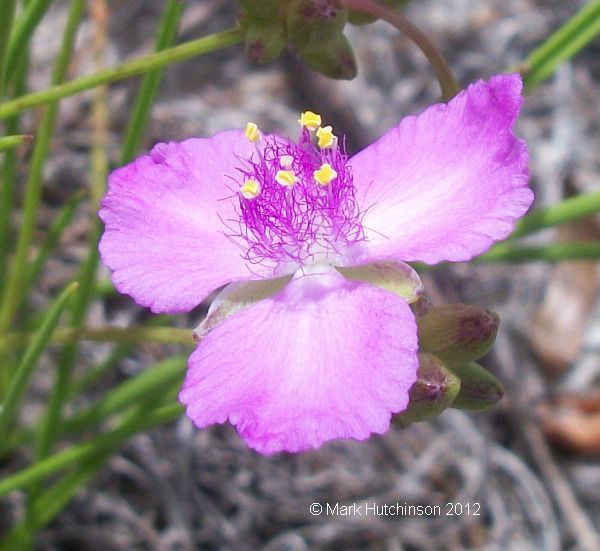
Longleaf spiderwort
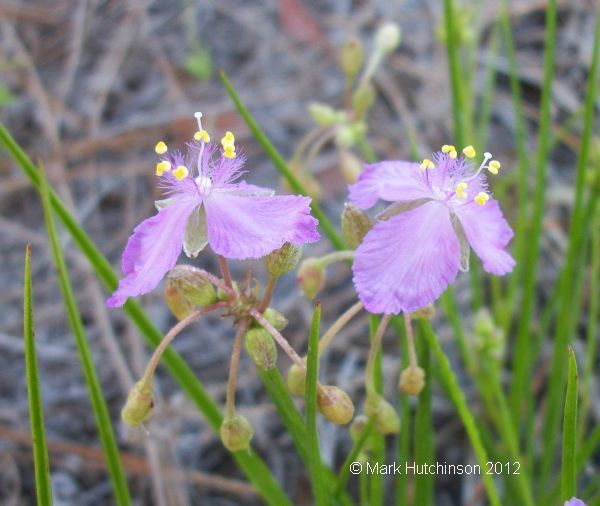
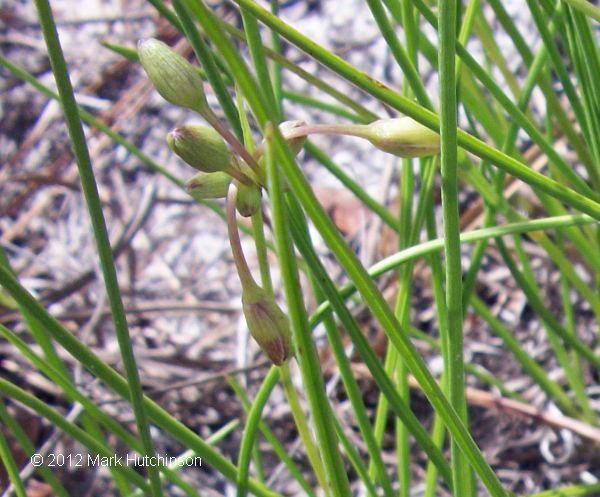
  • Photo by: Mark Hutchinson, Hernando Chapter, FNPS
  • Photo by: Mark Hutchinson, Hernando Chapter, FNPS
  • Photo by: Mark Hutchinson, Hernando Chapter, FNPS

Nomenclatura

Nombre común:

Longleaf spiderwort

Sinónimo(s):

Tradescantia longifolia

Especie del género:

Tradescantia roseolens

Familia:

Commelinaceae

Especificaciones de la planta

Forma:

flower

Tamaño:

.5' to 1.5' ft tall by .5' -to 1' ft wide

Esperanza de vida:

Long-lived perennial

Color de la flor:

lavender

Color de la fruta:

green

Fenología:

winter dormant

Destacado por:

Showy Flowers

Paisajismo

Usos recomendados:

Border plantings.

Consideraciones:

May cause allergic reaction in dogs and cats characterized by red itchy skin.

Disponibilidad:

Seed

Propagación:

Dividing root ball, seed, allow seed pods to dry on plant, then break open to collect seeds.

Luz:

Full Sun, Part Sun

Tolerancia a la humedad:

Siempre inundado---------------------------------Extremadamente seco

□□□□□□□□□□□□□□□□□□□□□■■■■■■■■■□□□□□□□□□□□□

Somewhat moist, no flooding -a- Not wet but not extremely dry

Tolerancia a inundaciones por agua salada:

Unknown

Tolerancia a la niebla salina/suelo salado:

Low/no tolerance of salty wind or direct salt spray

Suelo u otro sustrato:

Sand

pH del suelo:

5.6 - 7.8

Apto para cultivo en:

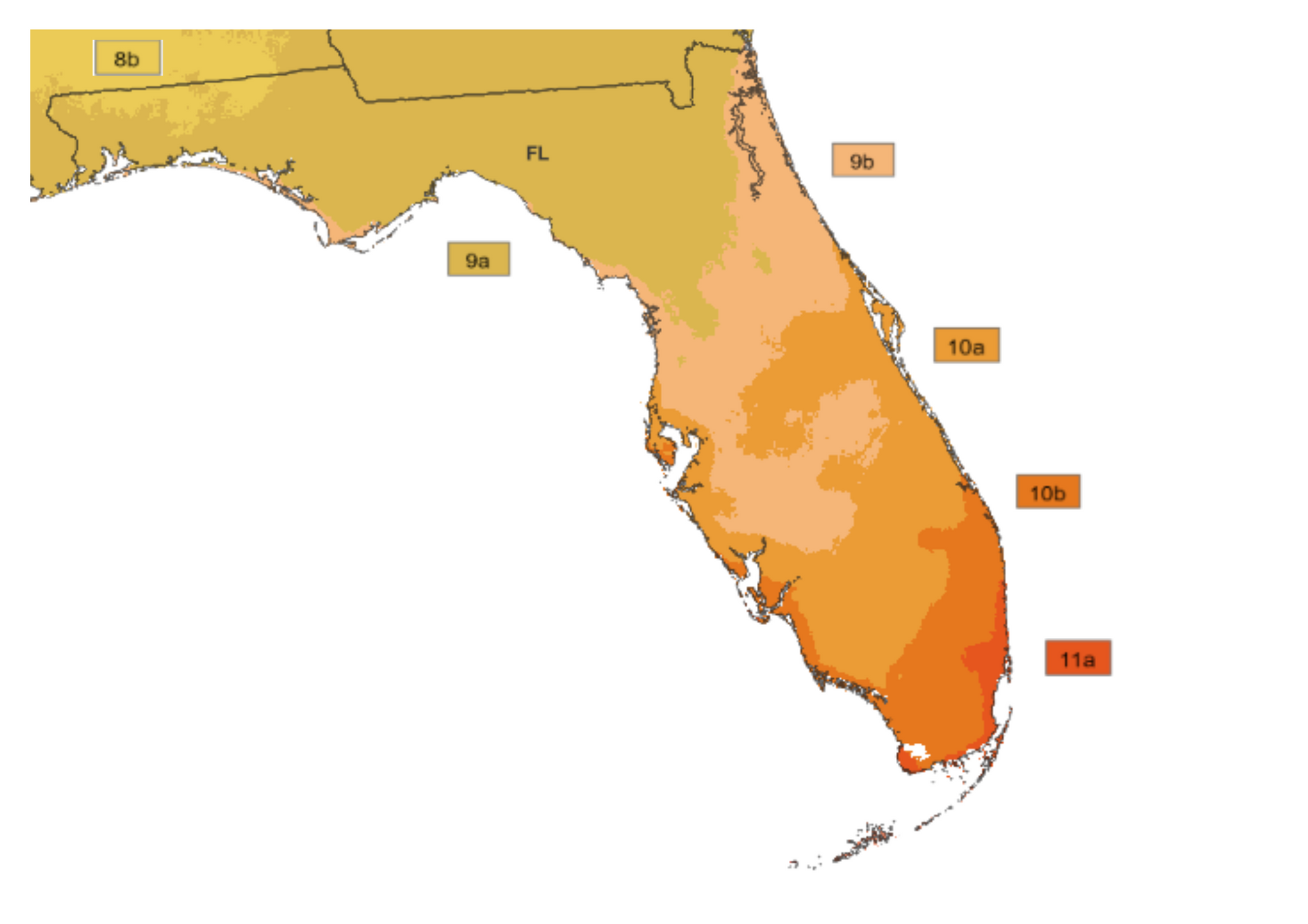
9A,9B

Las zonas del USDA se basan en la temperatura mínima extrema invernal anual promedio.

¿No conoces tu zona? Haz clic aquí para buscar por código postal.

Acreditado en:

Distribution
Vouchered
Not vouchered
Selected
Click a county The county name will appear here.
No county distribution is available for this plant yet.
Starting…
Map coded by Melissa Fernandez-de Cespedes (Paynes Prairie Chapter)

Ecología

Fauna:

Caterpillars

NULL

Attracts pollinators.

Hábitats nativos:

Sandhill, scrub and disturbed areas.

Área de distribución natural en Florida:

Comentarios:

Etnobotánica:

Comentarios generales:

The cells of the stamen hairs of some Tradescantia are colored blue, but when exposed to sources of ionizing radiation such as gamma rays, the cells mutate and change color to pink; they are one of the few tissues known to serve as an effective bioassay for ambient radiation levels.
FNPS Plant Print

Citas:

Wunderlin, R. P., B. F. Hansen, A. R. Franck, and F. B. Essig. 2021. Atlas of Florida Plants (http://florida.plantatlas.usf.edu/). Institute for Systematic Botany, University of South Florida, Tampa.

Solicitar una actualización