

Base de datos de plantas del FNPS
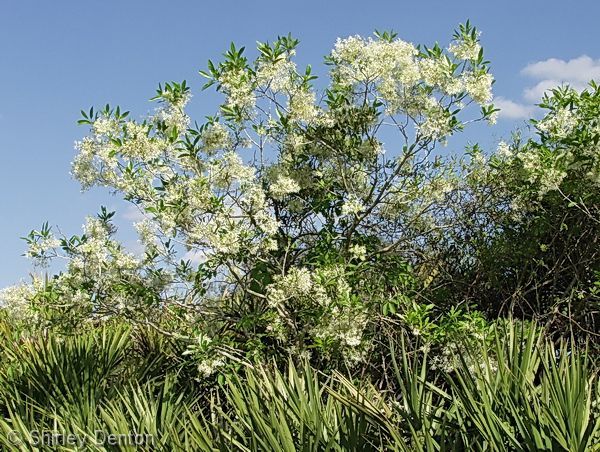
Chionanthus pygmaeus
Nomenclatura
Nombre común:
Sinónimo(s):
Especie del género:
Familia:
Oleaceae
Especificaciones de la planta
Forma:
Tamaño:
Esperanza de vida:
Long-lived perennial
Color de la flor:
Color de la fruta:
Fenología:
Destacado por:
Paisajismo
Usos recomendados:
Consideraciones:
Disponibilidad:
Propagación:
Luz:
Tolerancia a la humedad:
Siempre inundado---------------------------------Extremadamente seco
□□□□□□□□□□□□□□□□□□□□□□□□■■■■■■■■■■■■■■■□□□
Not wet but not extremely dry -a- Very long very dry periods
Tolerancia a inundaciones por agua salada:
Not salt tolerant of inundation by salty or brackish water
Tolerancia a la niebla salina/suelo salado:
Low/no tolerance of salty wind or direct salt spray
Suelo u otro sustrato:
Sand
pH del suelo:
Apto para cultivo en:
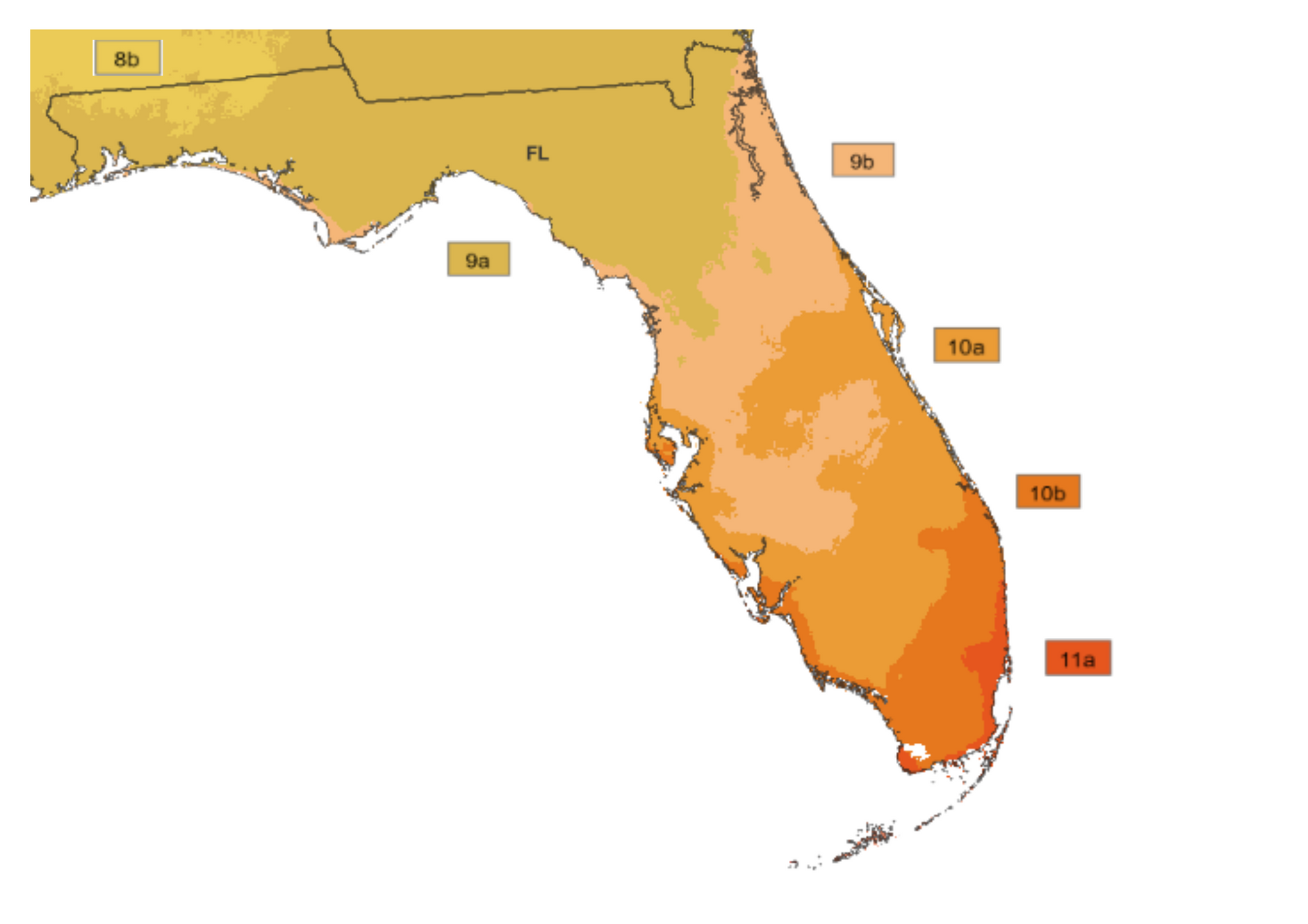
Las zonas del USDA se basan en la temperatura mínima extrema invernal anual promedio.
¿No conoces tu zona? Haz clic aquí para buscar por código postal.
Acreditado en:
Ecología
Fauna:
Probably bee pollinated.
Fruits used by birds.
Hábitats nativos:
Comentarios:
Etnobotánica:
Comentarios generales:
Citas:
Chafin, L. G. (2000). Field Guide to the Rare Plants of Florida. Florida Natural Areas Inventory, Tallahassee, FL.
Florida Wildflower Foundataion. (2007). Flower Friday: Fringetree. ( https://www.flawildflowers.org/flower-friday-chionanthus-virginicus/).
Florida Wildflower Foundation, Maitland, FL.Huegel, Craig N. (2010). Native Plant Landscaping for Florida Wildlife. University Press of Florida, Gainesville, FL.
Osorio, Rufino. (2001). A Gardener's Guide to Florida's Native Plants. University Press of Florida, Gainesville, FL.

