

Base de datos de plantas del FNPS
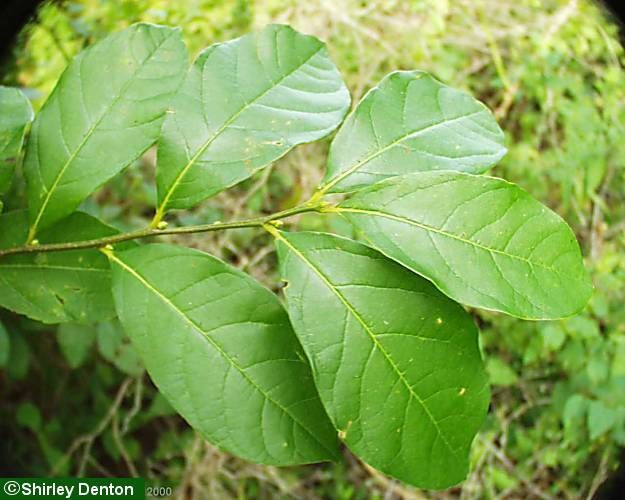
Lindera benzoin
Nomenclatura
Nombre común:
Sinónimo(s):
Especie del género:
Familia:
Lauraceae
Especificaciones de la planta
Forma:
Tamaño:
Esperanza de vida:
Long-lived perennial
Color de la flor:
Color de la fruta:
Fenología:
Destacado por:
Paisajismo
Usos recomendados:
Consideraciones:
Disponibilidad:
Propagación:
Luz:
Tolerancia a la humedad:
Siempre inundado---------------------------------Extremadamente seco
□□□□□□□□□□□□■■■■■■■■■■■■□□□□□□□□□□□□□□□□□□
Usually moist, occasional inundation -a- Somewhat moist, no flooding
Tolerancia a inundaciones por agua salada:
Not salt tolerant of inundation by salty or brackish water
Tolerancia a la niebla salina/suelo salado:
Low/no tolerance of salty wind or direct salt spray
Suelo u otro sustrato:
Sand, Organic
pH del suelo:
Apto para cultivo en:
8A,8B
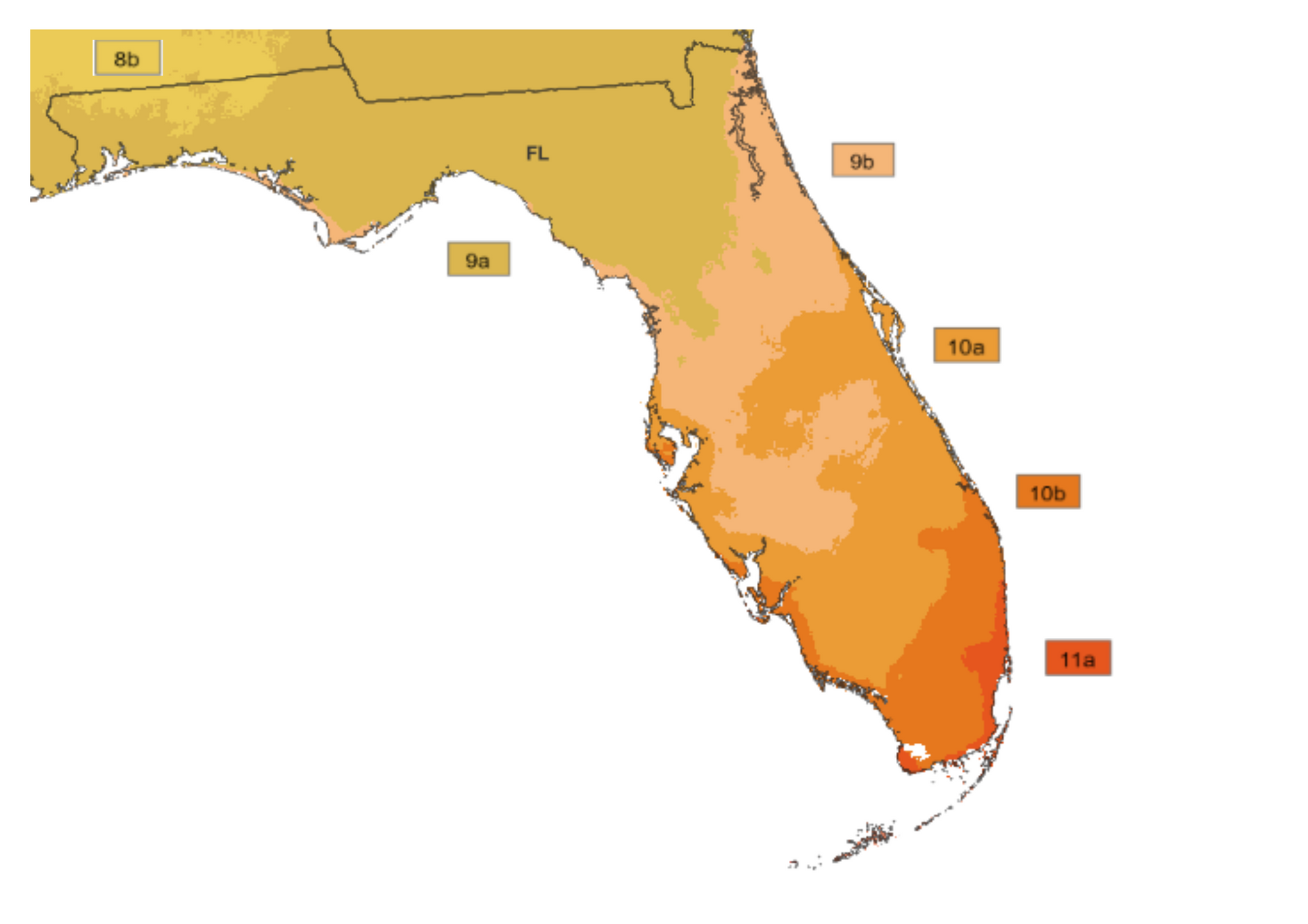
Las zonas del USDA se basan en la temperatura mínima extrema invernal anual promedio.
¿No conoces tu zona? Haz clic aquí para buscar por código postal.
Acreditado en:
Ecología
Fauna:
Larval host for the spice bush swallowtail and other butterflies. Attracts bees and flies.
Birds and mammals eat the fruits.
Hábitats nativos:
Comentarios:
Etnobotánica:
Comentarios generales:

Citas:
Minno, Marc, and Maria Minno. (1999). Florida Butterfly Gardening: A Complete Guide to Attracting, Identifying, and Enjoying Butterflies. University Press of Florida, Gainesville, FL.
Traas, Pamela. (2001). Gardening for Florida's Butterflies. Great Outdoors Publishing Co, St. Petersburg, FL.
University of Tennessee Extension Service. (2010). Desired pH Range and salt tolerance of common nursery plants. ( https://plantsciences.tennessee.edu/wp-content/uploads/sites/25/2021/10/Desired-pH-Range-List.pdf). Accessed 2026. University of Tennessee Extension, Knoxville, TN.
Wunderlin, R. P, B. F. Hansen, A. R. Franck, and F. B. Essig. (1999+). Atlas of Florida Plants. ( https://florida.plantatlas.usf.edu/). [S. M. Landry and K. N. Campbell (application development), USF Water Institute.] Institute for Systematic Botany, University of South Florida, Tampa, FL.

