



Base de datos de plantas del FNPS
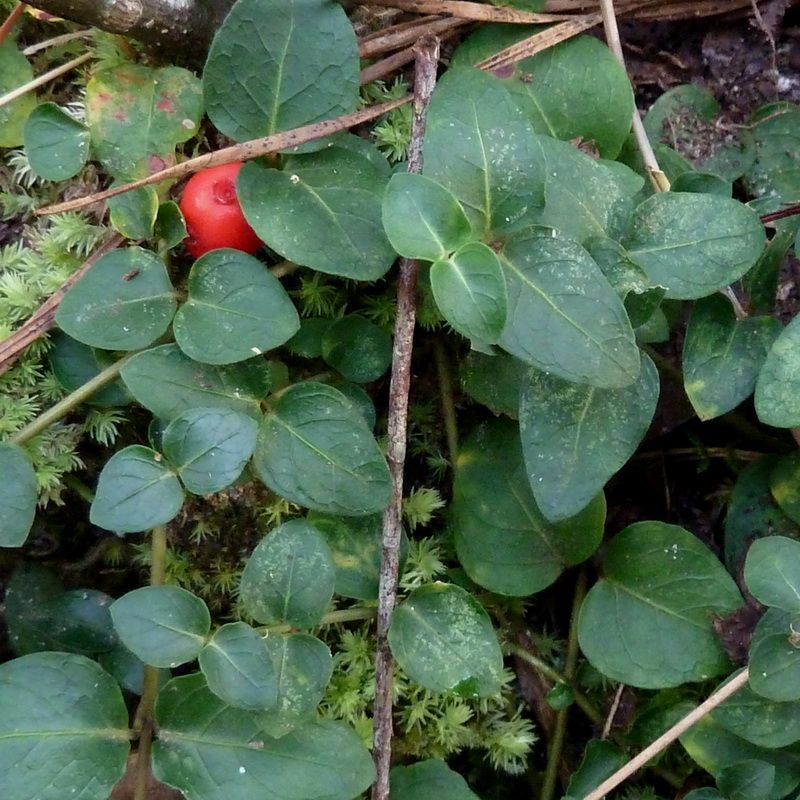
Mitchella repens


Nomenclatura
Nombre común:
Sinónimo(s):
Especie del género:
Familia:
Rubiaceae
Especificaciones de la planta
Forma:
Tamaño:
Esperanza de vida:
Long-lived perennial
Color de la flor:
Color de la fruta:
Fenología:
Destacado por:
Paisajismo
Usos recomendados:
Consideraciones:
Disponibilidad:
Propagación:
Luz:
Tolerancia a la humedad:
Siempre inundado---------------------------------Extremadamente seco
□□□□□□□□□□□□□□□□□□■■■■■■■■■■■■□□□□□□□□□□□□
Somewhat moist, no flooding -a- Not wet but not extremely dry
Tolerancia a inundaciones por agua salada:
Not salt tolerant of inundation by salty or brackish water
Tolerancia a la niebla salina/suelo salado:
Low/no tolerance of salty wind or direct salt spray
Suelo u otro sustrato:
Sand, Loam
pH del suelo:
Apto para cultivo en:
8A,8B,9A,9B
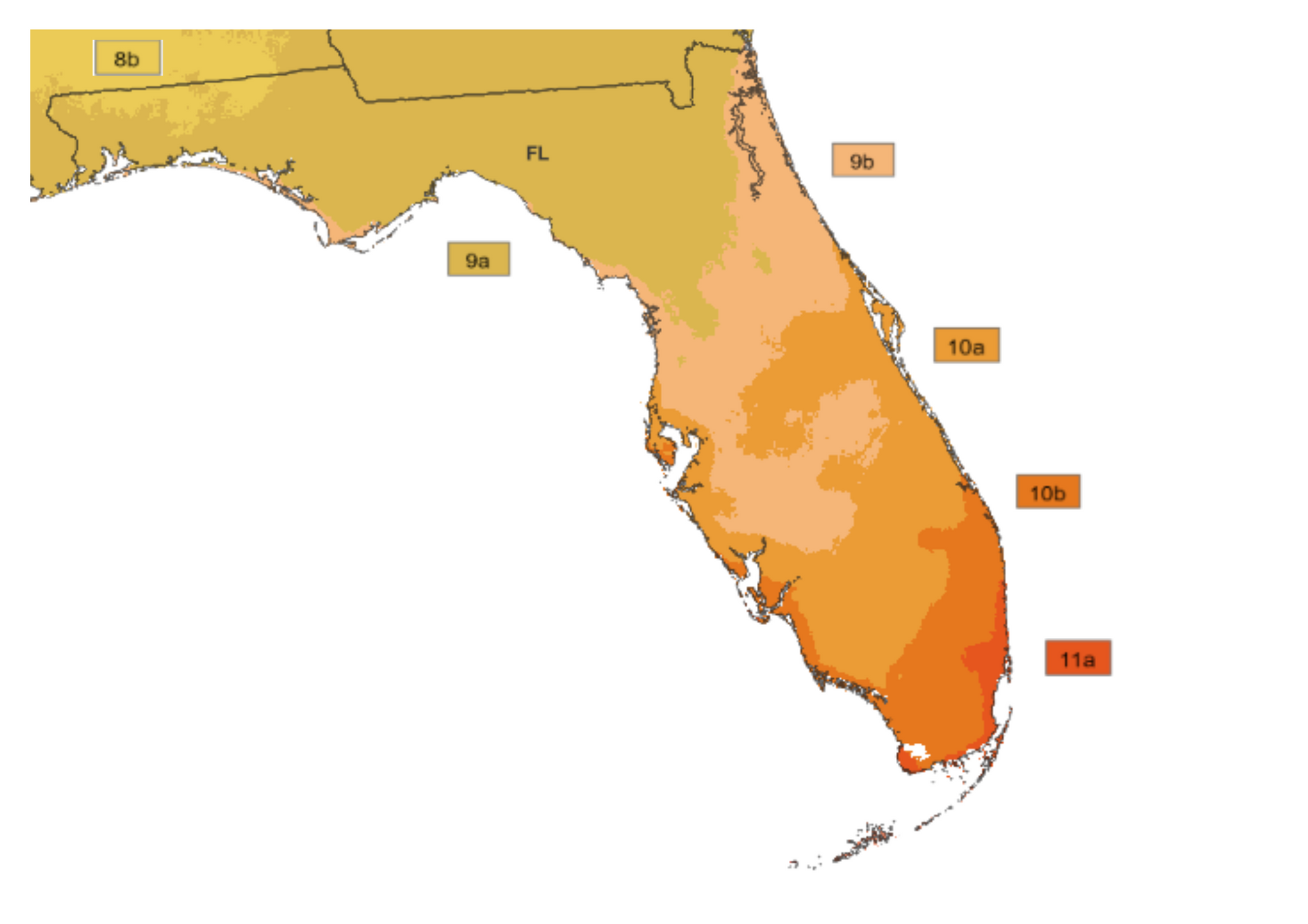
Las zonas del USDA se basan en la temperatura mínima extrema invernal anual promedio.
¿No conoces tu zona? Haz clic aquí para buscar por código postal.
Acreditado en:
Ecología
Fauna:
Bumblebees pollinate the flowers. Cross-pollination, required for seed set, is controlled by factors that permit germination of pollen from long anthers only on the stigmas of a different flower with a long styles; conversely, pollen from short anthers can germinate only on the stigmas of a different flower with a short styles. (VNPS).
Birds and small mammals consume the berries which mature in the fall and are retained through the winter and spring.
Hábitats nativos:
Comentarios:
Etnobotánica:
Comentarios generales:


Citas:

