Base de datos de plantas del FNPS

Morella caroliniensis

swamp candleberry, evergreen bayberry
  • Photo by: Shirley Denton, Suncoast Chapter FNPS

Nomenclatura

Nombre común:

swamp candleberry, evergreen bayberry

Sinónimo(s):

Myrica heterophylla, Myrica caroliniensis

Especie del género:

Morella caroliniensis

Familia:

Myricaceae

Especificaciones de la planta

Forma:

shrub

Tamaño:

8-20 (12) ft tall by 4-15 ft wide

Esperanza de vida:

Long-lived perennial

Color de la flor:

Color de la fruta:

brown

Fenología:

deciduous

Destacado por:

Aroma/Showy Fruitsagrance, Interesting Foliage

Paisajismo

Usos recomendados:

Screen or hedge plant. Deciduous to semi-evergreen.

Consideraciones:

Clonal: it usually sends up sprouts from its roots to form thickets.
The wood is somewhat brittle, but it will grow back if cut to the ground.

Disponibilidad:

Native Nurseries, Seed

Propagación:

Seed.

Luz:

Full Sun, Part Sun

Tolerancia a la humedad:

Siempre inundado---------------------------------Extremadamente seco

□□□□□□□□□□□□■■■■■■■■■■■■■■■□□□□□□□□□□□□□□□

Usually moist, occasional inundation -a- Not wet but not extremely dry

Tolerancia a inundaciones por agua salada:

Unknown

Tolerancia a la niebla salina/suelo salado:

Low/no tolerance of salty wind or direct salt spray

Suelo u otro sustrato:

Sand, Organic

pH del suelo:

Acidic

Apto para cultivo en:

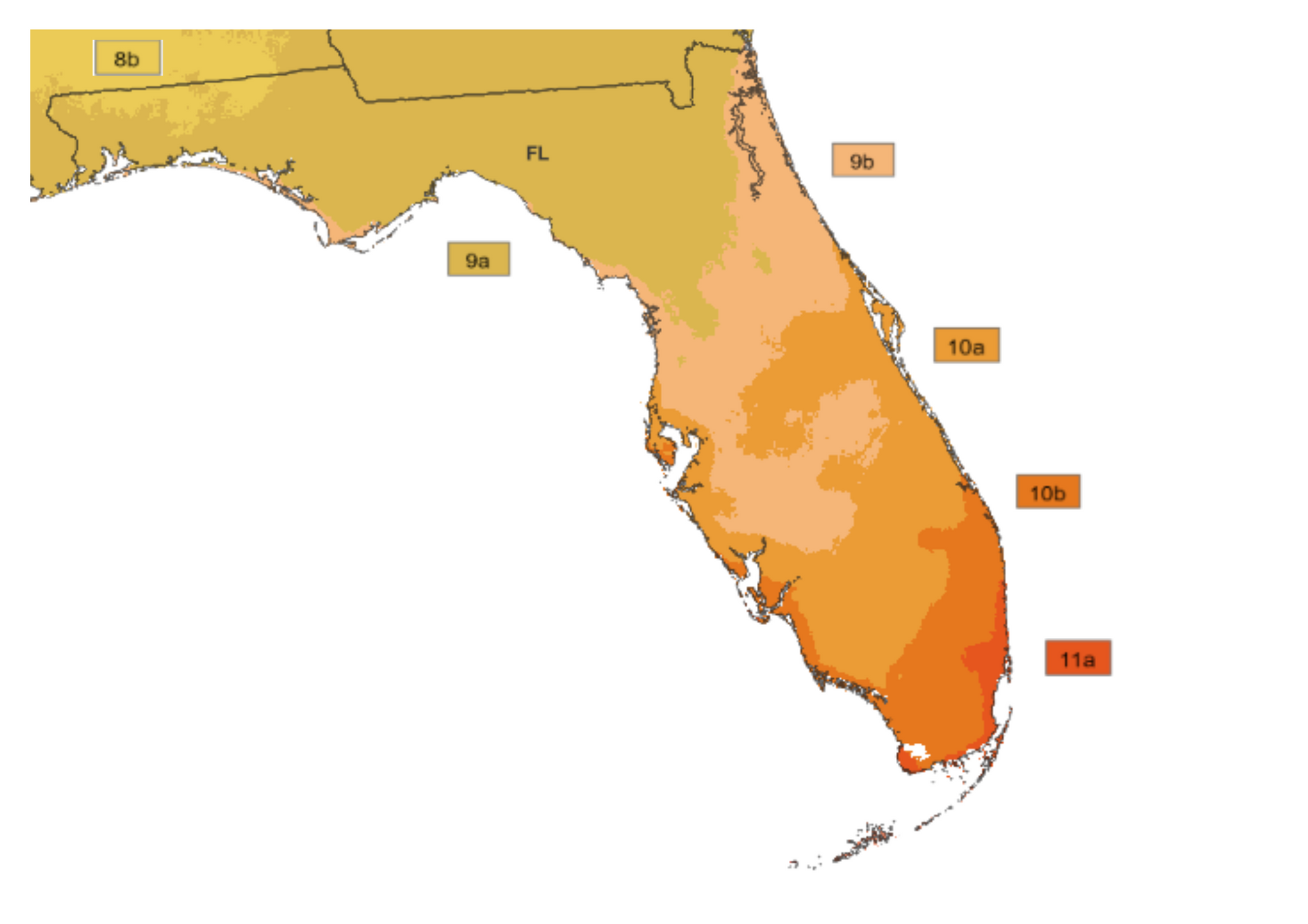
8A,8B,9A,9B

Las zonas del USDA se basan en la temperatura mínima extrema invernal anual promedio.

¿No conoces tu zona? Haz clic aquí para buscar por código postal.

Acreditado en:

Distribution
Vouchered
Not vouchered
Selected
Click a county The county name will appear here.
No county distribution is available for this plant yet.
Starting…
Map coded by Melissa Fernandez-de Cespedes (Paynes Prairie Chapter)

Ecología

Fauna:

Birds

It is a host plant for the Red-banded Hairstreak butterfly  ( NC State Extension Service )

Fuits are eaten by birds, especially yellow-rumped warblers (which are very efficient at digesting the waxy fruits), in the fall and winter ( NC State Extension Service )

Hábitats nativos:

Wet sites. Bogs, swamps, flatwoods depressions, cutthroat seeps.

Área de distribución natural en Florida:

Comentarios:

Etnobotánica:

The waxy coating on fruit can be used to make candles, similar to its northern cousin, the bayberry (M.pensylvanica).
Leaves can be used as a substitute for bay leaf for cooking soups and stews.

Comentarios generales:

Foliage fragrant when crushed.


Bayberry is an actinorhizal plant: its roots feature nitrogen fixing nodules formed in symbiosis with the nitrogen fixing actinobacteria Frankia. Thus it is tolerant of nitrogen-poor, acidic soils such as wetlands and dunes.(Widipedia).


The range is disjunct within Florida.

FNPS Plant Print

Citas:

Wunderlin, R. P., B. F. Hansen, A. R. Franck, and F. B. Essig. (1999+). Atlas of Florida Plants. ( https://florida.plantatlas.usf.edu/ ). [S. M. Landry and K. N. Campbell (application development), USF Water Institute.] Institute for Systematic Botany, University of South Florida, Tampa.

Solicitar una actualización