


Base de datos de plantas del FNPS
Pinus echinata
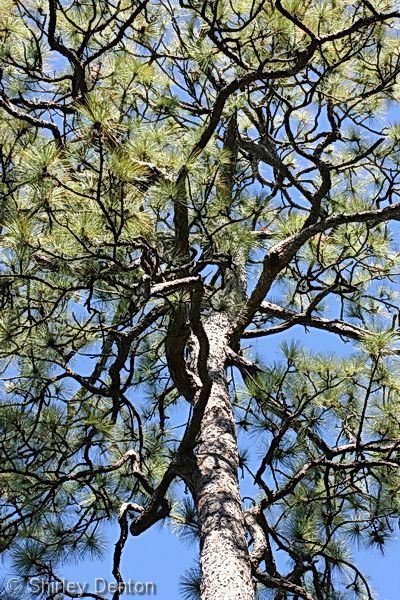
Nomenclatura
Nombre común:
Sinónimo(s):
Especie del género:
Familia:
Pinaceae
Especificaciones de la planta
Forma:
Tamaño:
Esperanza de vida:
Long-lived perennial
Color de la flor:
Color de la fruta:
Fenología:
Destacado por:
Paisajismo
Usos recomendados:
Consideraciones:
Disponibilidad:
Propagación:
Luz:
Tolerancia a la humedad:
Siempre inundado---------------------------------Extremadamente seco
□□□□□□□□□□□□□□□□□□■■■■■■■■■■■■■■■■■■□□□□□□
Somewhat moist, no flooding -a- Somewhat long very dry periods
Tolerancia a inundaciones por agua salada:
Not salt tolerant of inundation by salty or brackish water
Tolerancia a la niebla salina/suelo salado:
Low/no tolerance of salty wind or direct salt spray
Suelo u otro sustrato:
Sand, Loam
pH del suelo:
Apto para cultivo en:
8A,8B
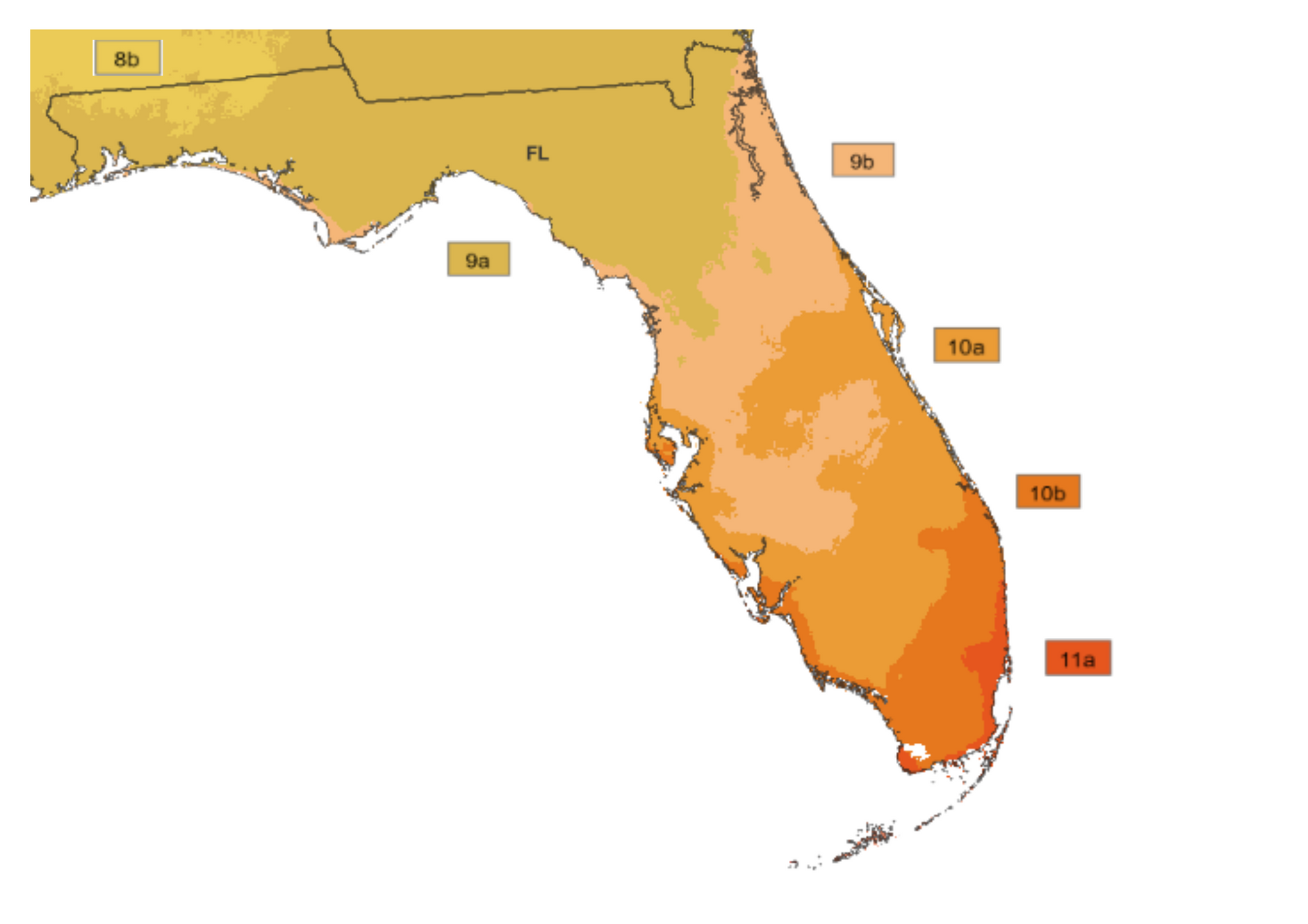
Las zonas del USDA se basan en la temperatura mínima extrema invernal anual promedio.
¿No conoces tu zona? Haz clic aquí para buscar por código postal.
Acreditado en:
Ecología
Fauna:
Squirrels and other animals eat the seeds. The USDA Forest Service indicates that it can be a cavity tree for red-cockaded woodpeckers.
Hábitats nativos:
Comentarios:
Etnobotánica:
Comentarios generales:


Citas:
BONAP Plant Atlas. (2014). Range Map: Pinus echinata. ( https://bonap.net/MapGallery/County/Pinus%20echinata.png). Accessed 2025. Biota of North America Program, Chapel Hill, NC.
Lawson, Edwin R. (Undated). Pinus echinata : Shortleaf pine. ( https://www.srs.fs.usda.gov/pubs/misc/ag_654/volume_1/pinus/echinata.htm). Accessed 2026. Southern Research Station, U.S. Forest Service, U.S. Dept. of Agriculture.
Pickens, Bill. (Undated). Silvics of Shortleaf Pine [in] Shortleaf Pine Initiative. ( https://shortleafpine.org/why-shortleaf/silvics). Accessed 2026.
Huegel, Craig N. (2010). Native Plant Landscaping for Florida Wildlife. University Press of Florida, Gainesville, FL.
Osorio, Rufino. (2001). A Gardener's Guide to Florida's Native Plants. University Press of Florida, Gainesville, FL.
University of Tennessee Extension Service. (2010). Desired pH Range and salt tolerance of common nursery plants. ( https://plantsciences.tennessee.edu/wp-content/uploads/sites/25/2021/10/Desired-pH-Range-List.pdf). Accessed 2026. University of Tennessee Extension, Knoxville, TN.
Wunderlin, R. P, B. F. Hansen, A. R. Franck, and F. B. Essig. (1999+). Atlas of Florida Plants. ( https://florida.plantatlas.usf.edu/). [S. M. Landry and K. N. Campbell (application development), USF Water Institute.] Institute for Systematic Botany, University of South Florida, Tampa, FL.

