


Base de datos de plantas del FNPS
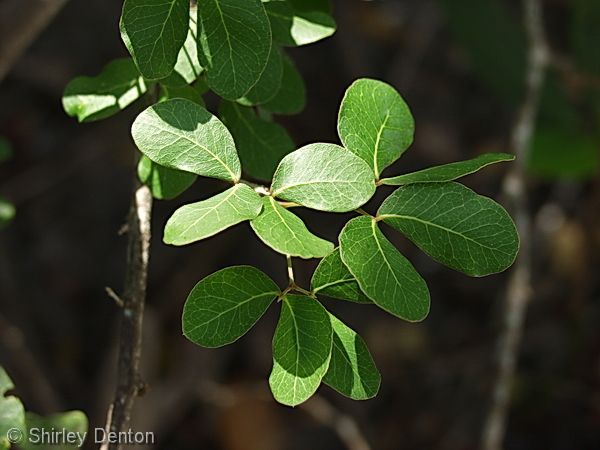
Pithecellobium unguis-cati
Nomenclatura
Nombre común:
Sinónimo(s):
Especie del género:
Familia:
Fabaceae (Leguminosae)
Especificaciones de la planta
Forma:
Tamaño:
Esperanza de vida:
Long-lived perennial
Color de la flor:
Color de la fruta:
Fenología:
Destacado por:
Paisajismo
Usos recomendados:
Consideraciones:
Disponibilidad:
Propagación:
Luz:
Tolerancia a la humedad:
Siempre inundado---------------------------------Extremadamente seco
□□□□□□□□□□□□□□□□□□■■■■■■■■■■■■■■■■■■■■■□□□
Somewhat moist, no flooding -a- Very long very dry periods
Tolerancia a inundaciones por agua salada:
Tolerant of occasional/brief inundation such as can occur in storm surges
Tolerancia a la niebla salina/suelo salado:
Moderate. Tolerant of salty wind and may get some salt spray
Suelo u otro sustrato:
Sand
pH del suelo:
Apto para cultivo en:
10A,10B,11
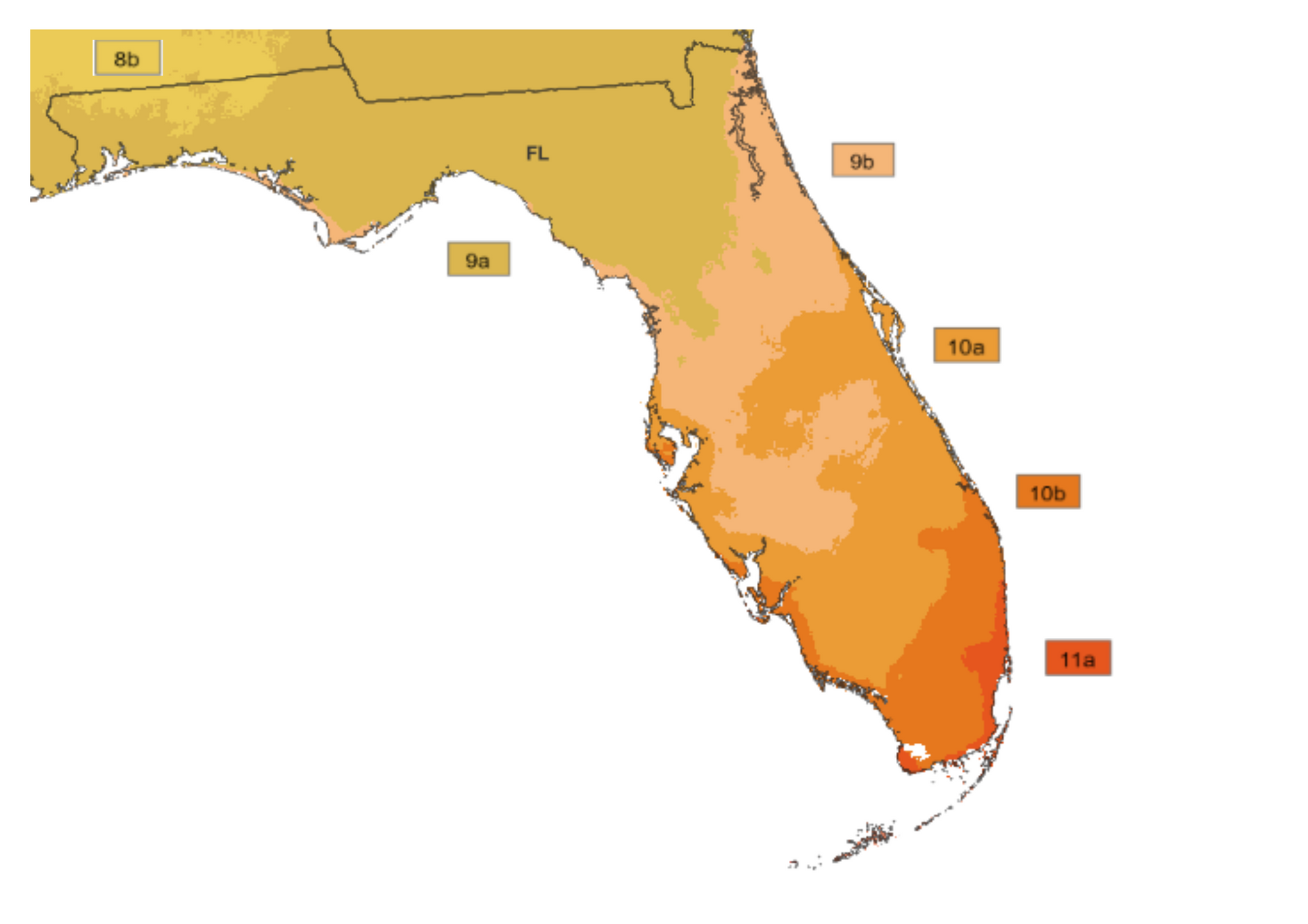
Las zonas del USDA se basan en la temperatura mínima extrema invernal anual promedio.
¿No conoces tu zona? Haz clic aquí para buscar por código postal.
Acreditado en:
Ecología
Fauna:
Larval host for cassius blue ( Leptotes cassius theonus ), large orange sulphur ( Phoebis agarithe ), and Miami blue ( Cyclargus thomasi bethunebakeri ) butterflies. Nectar plant for cassius blue, Florida duskywing ( Ephyriades brunneus ), Florida white ( Appias drusilla ), giant swallowtail ( Papilio cresphontes ), great southern white ( Ascia monuste ), hammock skipper ( Polygonus leo ), large orange sulphur, mangrove skipper ( Phocides pigmalion ), Miami blue, Palatka skipper ( Euphyes pilatka ), southern broken-dash ( Wallengrenia otho ), three-spotted skipper ( Cymaenes tripunctus ), twin-spot skipper ( Oligorio maculata ) and other butterflies. (IRC).
Birds eat the fruits (and the red&black arils).
Hábitats nativos:
Comentarios:
Etnobotánica:
Comentarios generales:
Citas:
Gann, G.D, C.J. Abbott, C.G. Stocking, K.N. Hines, and collaborators. (2001+). Natives For Your Neighborhood. ( https://www.regionalconservation.org/beta/nfyn/plantdetail.asp?tx=Pithkeye). Accessed 2026. The Institute for Regional Conservation. Delray Beach, FL.
Haehle, Robert G. and Joan Brookwell. (1999). Native Florida Plants. Gulf Publishing Company. Houston, TX.
Minno, M, J. Butler, and D. Hall. (2005). Florida Butterfly Caterpillars and Their Host Plants. University Press of Florida, Gainesville, FL.
Minno, M., J. Butler, and D. Hall. (2005). Florida Butterfly Caterpillars and Their Host Plants. University Press of Florida, Gainesville, FL.
Wunderlin, R. P, B. F. Hansen, A. R. Franck, and F. B. Essig. (1999+). Atlas of Florida Plants. ( https://florida.plantatlas.usf.edu/). [S. M. Landry and K. N. Campbell (application development), USF Water Institute.] Institute for Systematic Botany, University of South Florida, Tampa, FL.

